



Investors had plenty to worry them in 2019: ongoing U.S.–China trade tensions, the noise of Brexit, the maturity of the credit cycle, new reviews of regulation, the tensions of central banking balance sheets, worries about global growth, continued populism and more.
They seem like happier times now. In 2020 we entered (and exited) the fastest bear market in a hundred years and saw a global economy go into cardiac arrest as the flow of capital and money through its arteries seized up. Central bank balance sheets ballooned and rates – already so low – plunged further. Businesses globally found themselves in growing financial distress, as things we took for granted, such as travel, suddenly came to a grinding halt. The economic cost to date has been high, with hundreds of millions of jobs at risk globally according to the ILO and no real sense of when stabilisation might arrive. When it does, the scars will run deep and take time to heal. Today, a second wave appears to be underway in Europe and the U.S., underscoring that this is not a short-term moment of economic distress, but a deeper crisis that may be with us for a while yet.
Slowing to no growth, low and even negative yields, the need to find alternative sources of return and political uncertainty are all set to dominate insurance investment minds going forward. Alongside, minimising earnings volatility, avoiding defaults and protecting returns on capital continue to drive our businesses.
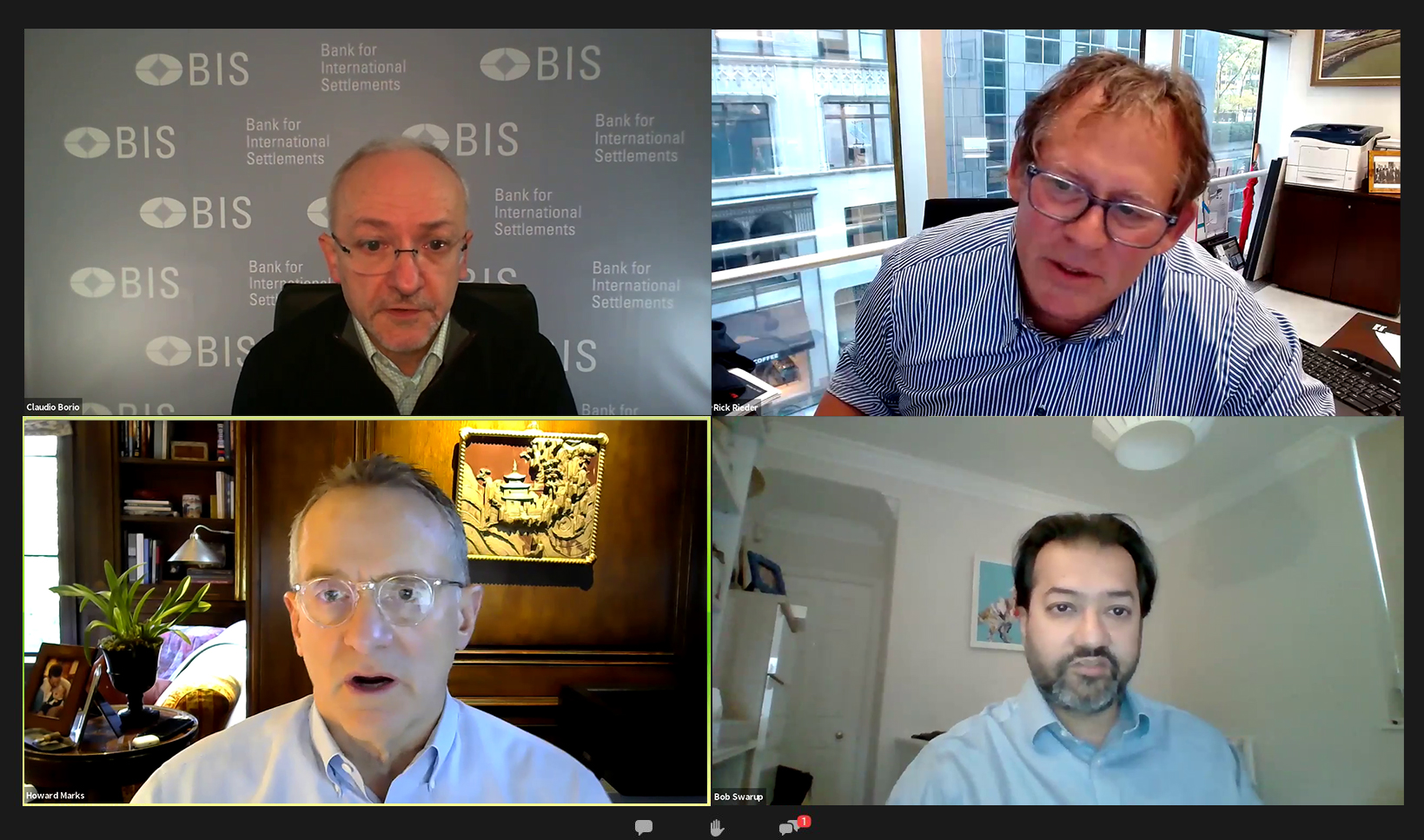
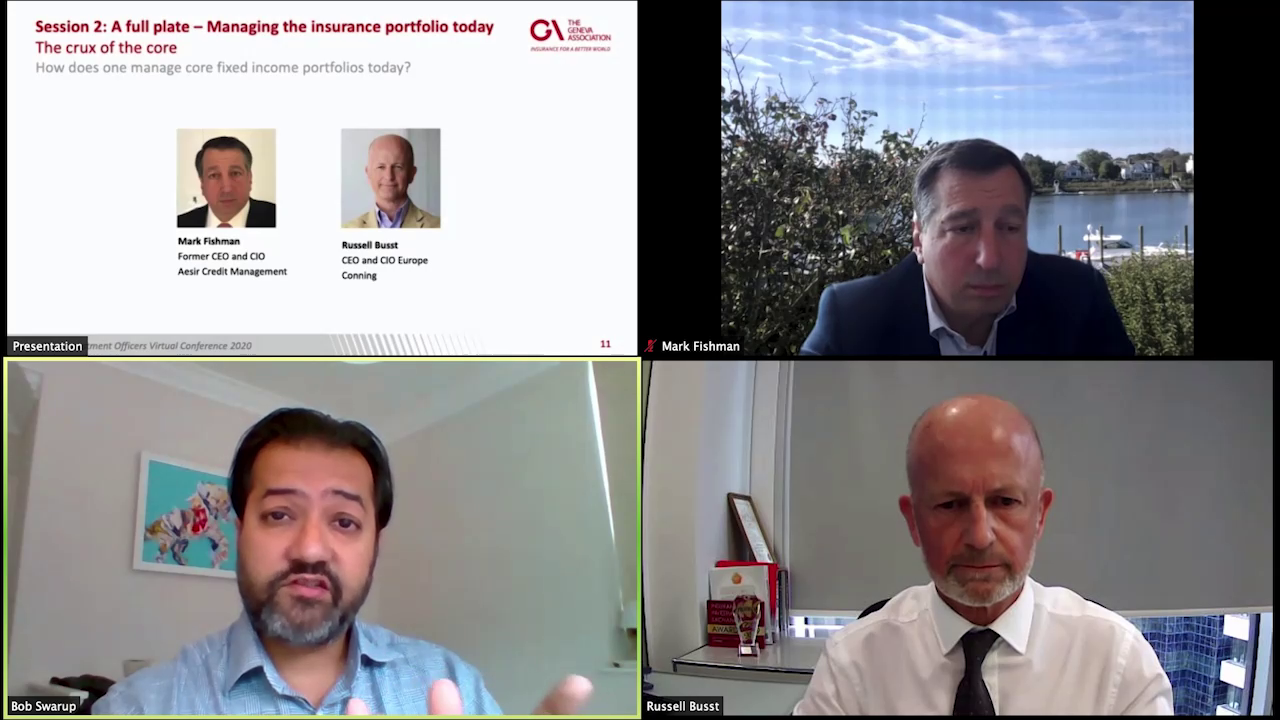
The Geneva Association’s 2020 Chief Investment Officers Conference gathered together CIOs from our member organisations around the world along with leading thinkers to begin the task of distilling answers from all this complexity.