

Financial Inclusion

Geneva Association. 2024.
Inclusive Insurance in Advanced Economies: Alleviating strains on society.
Author: Kai-Uwe Schanz. November.
Kai-Uwe Schanz, Head of Research & Foresight and Director Social & Financial Inclusion, Geneva Association
Following the Global Financial Crisis, the COVID-19 pandemic and recent inflationary shocks, advanced economies are facing challenges like rising social inequality and eroding social safety nets. In response, key industry stakeholders, such as policymakers and regulators, are exploring inclusive insurance as a way to extend protection to underserved populations. Inclusive insurance is a core component of financial inclusion, which ensures access to essential financial services regardless of socio-economic or socio-demographic status. Insurance can alleviate social inequality by preventing individuals and households from falling (back) into poverty. Tailored approaches can also enhance socio-economic integration, such as providing coverage for migrants and filling the growing gaps left by traditional social insurance systems.
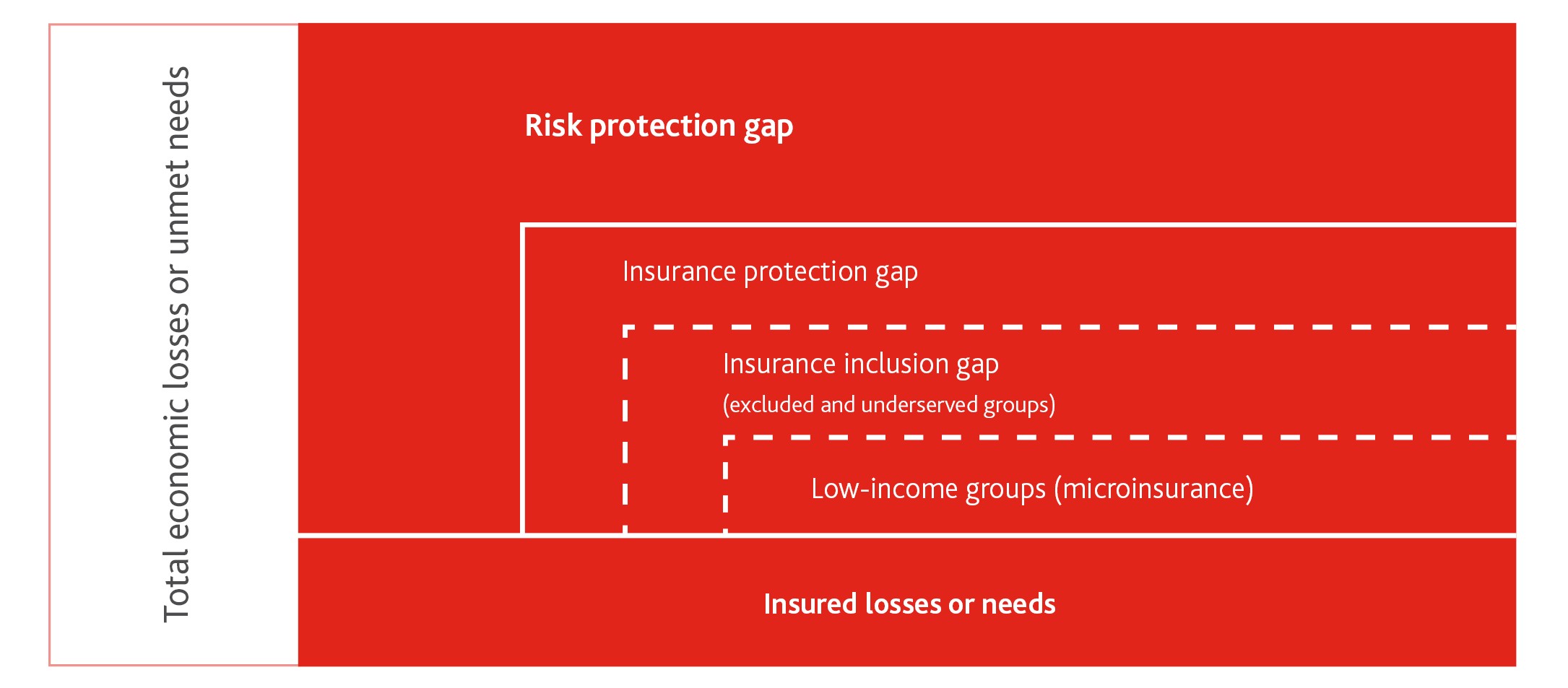
The discourse on inclusivity in insurance is closely linked to the concept of protection gaps. Risk protection gaps refer to uninsured portions of economic losses or needs, highlighting areas where individuals, households and businesses lack sufficient coverage against risks like health expenses, natural disasters or cyber losses. Globally, these gaps are significant, with trillions of dollars in unmet protection needs. Insurance protection gaps specifically reflect the discrepancy between economically appropriate and feasible coverage on the one hand and actual insurance uptake on the other. Inclusion gaps focus on socio-economic groups that are excluded from or underserved by insurance markets, such as low-income earners. Such gaps are expressed relative to a reference population. Inclusive insurance targets the respective groups by offering accessible, affordable products tailored to their specific needs (see Figure 1).
FIGURE 1: PROTECTION GAPS AND INSURANCE INCLUSION GAPS
Source: Geneva Association
Comprehensive and internationally comparable data on inclusivity in insurance, such as the proportion of insured individuals within specific segments of the total population, is sparse. This is because insurance companies typically report premium volumes and other financial metrics but not the number of insurance policies in force or underwritten during a period, or the number of individuals who hold these policies, let alone broken down by socio-demographic group.
To fill this gap, the Geneva Association conducted a global customer survey. Carried out in the second quarter of 2024, the survey included over 28,000 representative households across seven advanced economies (France, Germany, Italy, Japan, Spain, the U.K. and the U.S.) and zoomed in on six demographics (the elderly, Gen Z, the chronically ill, the self-employed, low-income earners and immigrants).
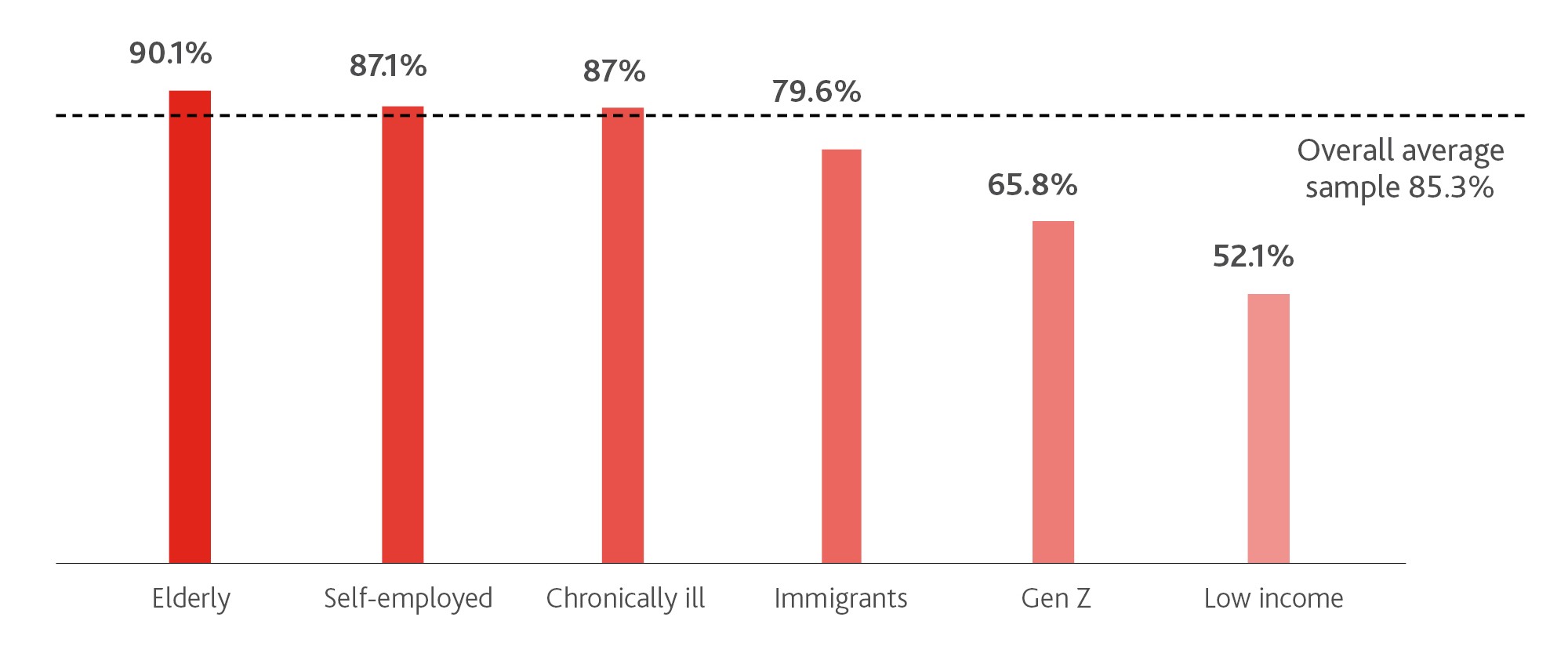
The survey reveals that about 85% of respondents in advanced economies own at least one voluntary insurance product, with motor and residential property insurance the most prevalent. Critical illness and income protection insurance are the least common. Low-income, Gen Z and immigrant respondents tend to have less insurance than the reference population, indicating inclusion gaps (see Figure 2).
With 78% of all residents surveyed possessing an insurance policy, the U.S. displays the lowest overall ownership of all markets. In France, 92% of the population own insurance, the highest proportion in the global sample. Among the elderly, 66% own private health insurance, placing France in the top spot by a wide margin. One reason may be gaps in public health coverage (Securité Sociale). Low-income respondents in the U.K. are significantly better insured, at 70%, than the global average for this subgroup. This may reflect the broad availability of flexible, low-cost products in a highly competitive market. Japan has the lowest proportion of insured Gen Z respondents, perhaps attributable to relatively low wages for young adults and an above-average propensity to staying with their families well into adulthood. Germany leads in personal liability insurance, with 72% of residents owning it compared to the 30% sample average. This reflects the fact that, in Germany, individuals are legally responsible for covering the full cost of any damage they cause to third parties, whether property damage or personal injury.
Nearly a third of insured Japanese respondents feel they need more insurance, the highest among surveyed countries. German participants are the least receptive. Globally, private health and residential property insurance are the most needed additional coverages. Among the subgroups, Gen Z shows the highest demand for more insurance, particularly in the U.S. and Japan. Desire for insurance varies by subgroup among the uninsured, ranging from 21% for the elderly to 35% for Gen Z. Private health and residential property insurance are again the most popular.
FIGURE 2: SHARE OF RESPONDENTS THAT ARE INSURED, BY SUBGROUP1
Source: Geneva Association customer survey, powered by Dynata
Affordability is consistently the most important issue for all socio-demographic subgroups, especially low-income respondents. For Gen Z, lack of time to research products is a disproportionately important factor for not having insurance, particularly in Japan, Germany and Spain, where it surpasses concerns about affordability.
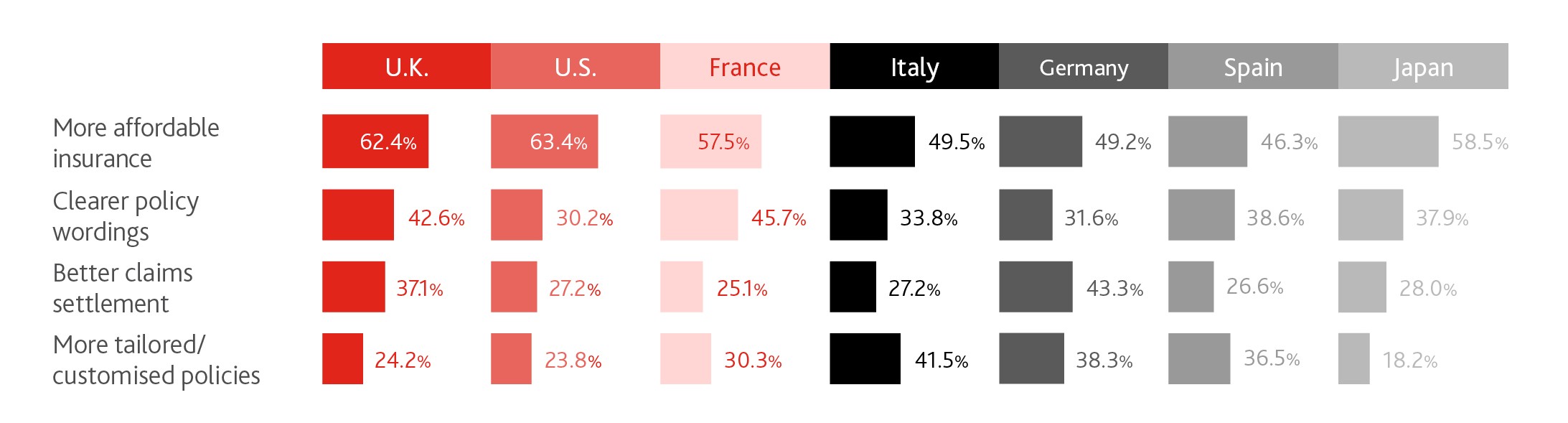
Respondents have three main expectations from their insurance providers: make insurance more affordable, provide clearer policy wordings and improve claims settlement processes.
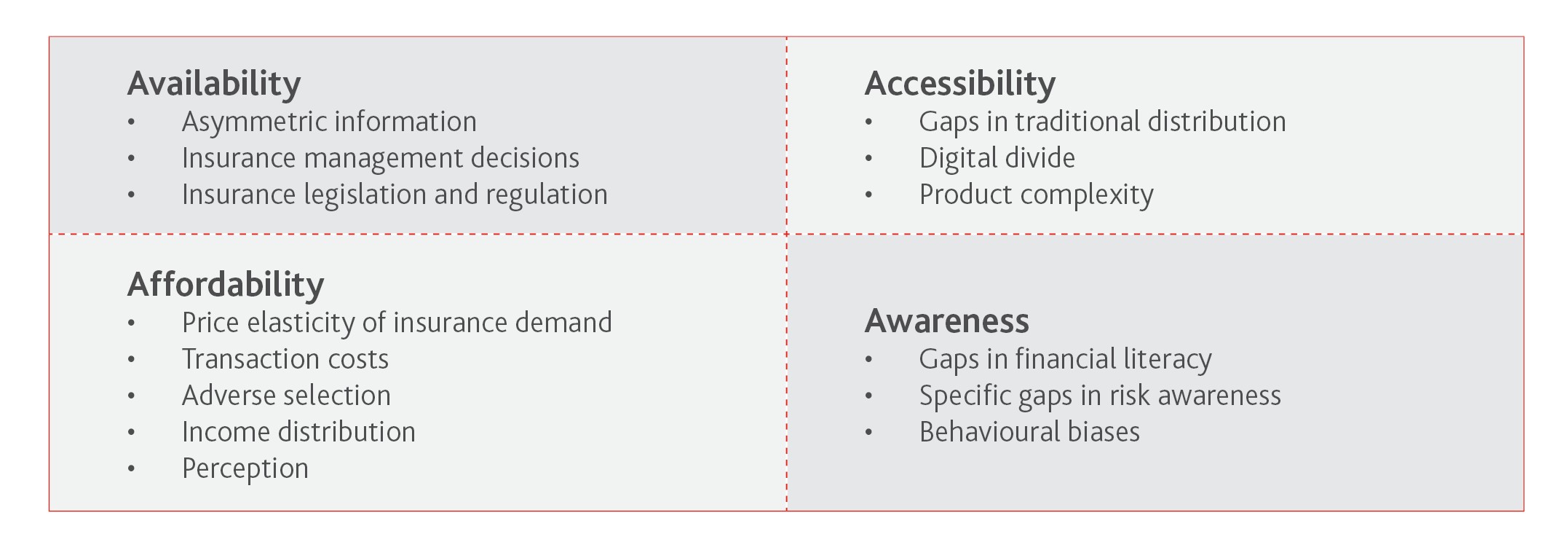
The report categorises barriers to inclusive insurance into four main areas: availability, accessibility, affordability and awareness. Availability problems arise from a constrained supply of diverse insurance products catering to different socio-demographic groups. This is most often due to information asymmetries, which lead to adverse selection (where high-risk customers are more likely to buy insurance) and moral hazard (less cautious customer behaviour among those with insurance). Insurers may also exclude certain demographics due to insufficient data for accurate risk assessment or because institutional factors, such as stringent regulations, stifle product innovation.
Accessibility challenges are a particular problem in geographically remote areas. Traditional distribution methods relying on agents and brokers may exclude those without access to these intermediaries. The digital divide exacerbates these barriers, as those lacking internet access or digital literacy struggle to engage with insurers online.
Affordability is a critical obstacle, particularly for low-income households. High premiums, driven by adverse selection and distribution costs, for example, often render insurance unaffordable. In addition, misconceptions about the costs associated with owning certain assets (e.g. a home in a flood zone) can lead to perceived affordability issues and further deter insurance uptake.
A lack of awareness about insurance often reflects low financial literacy among potential customers. Many individuals fail to understand the benefits of insurance or underestimate the likelihood of adverse events, leading to inclusion gaps. Deficits in financial literacy can also give rise to behavioral biases, such as loss aversion, which further discourages insurance purchases as people perceive premium payments as a certain loss against an uncertain future benefit (claims payments).
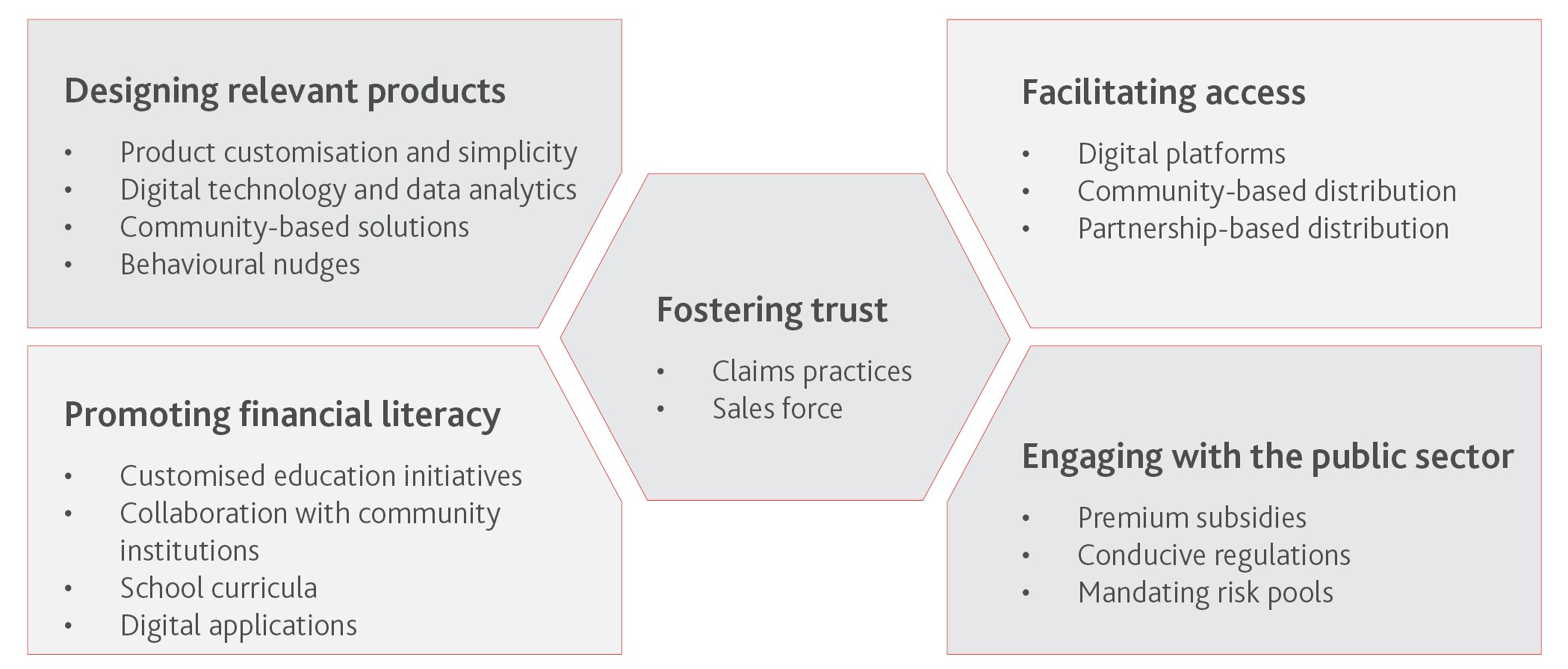
Insurers must take a multi-faceted approach to address these barriers, including enhancing trust, developing relevant products, enhancing access, promoting financial literacy and collaborating with the public sector.
Trust underpins customer confidence in the insurer’s future promise to pay. It reduces transaction costs and counteracts affordability concerns. In the digital age, technology-based intermediaries can help build trust by providing platforms for underserved groups. Trust also mitigates behavioural biases in insurance purchasing, such as preferences for immediate rewards over future benefits. Trust in insurers’ claims settlement practices is particularly crucial for underserved populations, who often lack prior experience with insurance.
Creating insurance products that are affordable and relevant to diverse, underserved populations is key to inclusive insurance. Subject to regulatory constraints, this involves customising and simplifying product features to meet specific needs, and leveraging technology, data analytics and behavioural nudges.
Lowering barriers to insurance access is also vital for inclusivity. Digital platforms and community-based distribution methods can help overcome these hurdles, especially in remote areas. Local agents with contextual knowledge can also play a crucial role in reaching underserved populations.
Tailored financial education programmes targeting specific demographics through community institutions or digital platforms can promote financial literacy and significantly enhance insurance inclusivity.
Collaboration with government agencies and regulators is pivotal for creating inclusive insurance markets. This includes advocating for compulsory insurance schemes in the absence of sufficiently large risk pools (while incentivising risk prevention and combatting moral hazard), designing premium subsidies to make insurance affordable for high-risk groups while incentivising risk prevention, and developing regulations that support simplified, easily accessible insurance products. Public-sector engagement can also facilitate the use of digital distribution channels and regulatory sandboxes, fostering innovation for inclusivity in insurance (see Figure 3).
FIGURE 3: UNLOCKING THE POTENTIAL OF INCLUSIVE INSURANCE
Source: Geneva Association
Recent, major challenges, from COVID-19 to inflationary shocks, have underscored the need for robust safety nets. There is an increasing recognition of the role that insurance can play. So-called ‘inclusive insurance’, specifically, seeks to bridge the coverage gaps that leave people financially vulnerable, thus promoting resilience among underserved populations.
This report is an in-depth examination of the potential for inclusive insurance to drive financial inclusion and alleviate social inequality in developed countries. Drawing on insights from a global survey of over 28,000 households across seven advanced economies – France, Germany, Italy, Japan, Spain, the U.K. and the U.S. – it highlights significant inclusion and protection gaps across socio-demographic groups.
For example, while 85% of all respondents own at least one voluntary insurance product, low-income earners, Gen Z, and immigrant communities are disproportionately underserved by traditional insurance. Specific needs and gaps emerge, such as Japan’s low insurance uptake among Gen Z and the need for private health insurance among the elderly in France.
The findings emphasise that access to affordable, tailored insurance products can effectively shield individuals from financial setbacks. For inclusive insurance to succeed, however, the industry must overcome barriers in awareness, availability, accessibility and affordability. This report presents a roadmap for insurers, including enhanced financial literacy initiatives, the design of relevant products, innovative distribution models, and strengthened public-private collaborations.
Ultimately, this research calls for evolving the insurance ecosystem to one that is more accessible, fair, and responsive to the needs of diverse populations. By doing so, it positions inclusive insurance as a cornerstone of modern financial security.
Jad Ariss
Managing Director
Following the Global Financial Crisis, the COVID-19 pandemic and recent inflationary shocks, advanced economies are facing challenges like rising social inequality and eroding social safety nets. In response, key industry stakeholders, such as policymakers and regulators, are exploring inclusive insurance as a way to extend protection to underserved populations. Inclusive insurance is a core component of financial inclusion, which ensures access to essential financial services regardless of socio-economic or socio-demographic status. Insurance can alleviate social inequality by preventing individuals and households from falling (back) into poverty. Tailored approaches can also enhance socio-economic integration, such as providing coverage for migrants and filling the growing gaps left by traditional social insurance systems.
The discourse on inclusivity in insurance is closely linked to the concept of protection gaps. Risk protection gaps refer to uninsured portions of economic losses or needs, highlighting areas where individuals, households and businesses lack sufficient coverage against risks like health expenses, natural disasters or cyber losses. Globally, these gaps are significant, with trillions of dollars in unmet protection needs. Insurance protection gaps specifically reflect the discrepancy between economically appropriate and feasible coverage on the one hand and actual insurance uptake on the other. Inclusion gaps focus on socio-economic groups that are excluded from or underserved by insurance markets, such as low-income earners. Such gaps are expressed relative to a reference population. Inclusive insurance targets the respective groups by offering accessible, affordable products tailored to their specific needs.
Comprehensive and internationally comparable data on inclusivity in insurance, such as the proportion of insured individuals within specific segments of the total population, is sparse. This is because insurance companies typically report premium volumes and other financial metrics but not the number of insurance policies in force or underwritten during a period, or the number of individuals who hold these policies, let alone broken down by socio-demographic group.
This report fills a critical gap by providing a comprehensive analysis of inclusion gaps, compared with a reference population, based on a global customer survey commissioned by the Geneva Association. Conducted in the second quarter of 2024, the survey included over 28,000 representative households across seven advanced economies (France, Germany, Italy, Japan, Spain, the U.K. and the U.S.) and zoomed in on six demographics (the elderly, Gen Z, the chronically ill, the self-employed, low-income earners and immigrants).
The survey reveals that about 85% of respondents in advanced economies own at least one voluntary insurance product, with motor and residential property insurance the most prevalent. Critical illness and income protection insurance are the least common. Low-income, Gen Z and immigrant respondents tend to have less insurance than the reference population, indicating inclusion gaps.
With 78% of all residents surveyed possessing an insurance policy, the U.S. displays the lowest overall ownership of all markets. In France, 92% of the population own insurance, the highest proportion in the global sample. Among the elderly, 66% own private health insurance, placing France in the top spot by a wide margin. One reason may be gaps in public health coverage (Securité Sociale). Low-income respondents in the U.K. are significantly better insured, at 70%, than the global average for this subgroup. This may reflect the broad availability of flexible, low-cost products in a highly competitive market. Japan has the lowest proportion of insured Gen Z respondents, perhaps attributable to relatively low wages for young adults and an above-average propensity to staying with their families well into adulthood. Germany leads in personal liability insurance, with 72% of residents owning it compared to the 30% sample average. This reflects the fact that, in Germany, individuals are legally responsible for covering the full cost of any damage they cause to third parties, whether property damage or personal injury.
Nearly a third of insured Japanese respondents feel they need more insurance, the highest among surveyed countries. German participants are the least receptive. Globally, private health and residential property insurance are the most needed additional coverages. Among the subgroups, Gen Z shows the highest demand for more insurance, particularly in the U.S. and Japan. Desire for insurance varies by subgroup among the uninsured, ranging from 21% for the elderly to 35% for Gen Z. Private health and residential property insurance are again the most popular.
Affordability is consistently the most important issue for all socio-demographic subgroups, especially low-income respondents. For Gen Z, lack of time to research products is a disproportionately important factor for not having insurance, particularly in Japan, Germany and Spain, where it surpasses concerns about affordability.
Respondents have three main expectations from their insurance providers: make insurance more affordable, provide clearer policy wordings and improve claims settlement processes.
The report categorises barriers to inclusive insurance into four main areas: availability, accessibility, affordability and awareness. Availability problems arise from a constrained supply of diverse insurance products catering to different socio-demographic groups. This is most often due to information asymmetries, which lead to adverse selection (where high-risk customers are more likely to buy insurance) and moral hazard (less cautious behaviour among those with insurance). Insurers may also exclude certain demographics due to insufficient data for accurate risk assessment or because institutional factors, such as stringent regulations, stifle product innovation.
Accessibility challenges are a particular problem in geographically remote areas. Traditional distribution methods relying on agents and brokers may exclude those without access to these intermediaries. The digital divide exacerbates these barriers, as those lacking internet access or digital literacy struggle to engage with insurers online.
Affordability is a critical obstacle, particularly for low-income households that prioritise basic needs over insurance. High premiums, driven by adverse selection and distribution costs, for example, often render insurance unaffordable. In addition, misconceptions about the costs associated with owning certain assets (e.g. a home in a flood zone) can lead to perceived affordability issues and further deter insurance uptake.
A lack of awareness about insurance often reflects low financial literacy among potential customers. Many individuals fail to understand the benefits of insurance or underestimate the likelihood of adverse events, leading to inclusion gaps. Deficits in financial literacy can also give rise to behavioral biases, such as loss aversion, which further discourages insurance purchases as people perceive premium payments as a certain loss against an uncertain future benefit (claims payments).
Insurers must take a multi-faceted approach to address these barriers, including enhancing trust, developing relevant products, enhancing access, promoting financial literacy and collaborating with the public sector.
Trust underpins customer confidence in the insurer’s future promise to pay. It reduces transaction costs and counteracts affordability concerns. In the digital age, technology-based intermediaries can help build trust by providing platforms for underserved groups. Trust also mitigates behavioural biases in insurance purchasing, such as preferences for immediate rewards over future benefits. Trust in insurers’ claims settlement practices is particularly crucial for underserved populations, who often lack prior experience with insurance.
Creating insurance products that are affordable and relevant to diverse, underserved populations is key to inclusive insurance. Subject to regulatory constraints, this involves customising and simplifying product features to meet specific needs, and leveraging technology, data analytics and behavioral nudges.
Lowering barriers to insurance access is also vital for inclusivity. Digital platforms and community-based distribution methods can help overcome these hurdles, especially in remote areas. Local agents with contextual knowledge can also play a crucial role in reaching underserved populations.
Tailored financial education programmes targeting specific demographics through community institutions or digital platforms can promote financial literacy and significantly enhance insurance inclusivity.
Collaboration with government agencies and regulators is pivotal for creating inclusive insurance markets. This includes advocating for compulsory insurance schemes in the absence of sufficiently large risk pools (while incentivising risk prevention and combatting moral hazard), designing premium subsidies to make insurance affordable for high-risk groups while incentivising risk prevention, and developing regulations that support simplified, easily accessible insurance products. Public-sector engagement can also facilitate the use of digital distribution channels and regulatory sandboxes, fostering innovation for inclusivity in insurance.
In the aftermath of the Global Financial Crisis, further intensified by the COVID-19 pandemic and recent cost-of-living crises, advanced economies are facing significant challenges like rising social inequality and the erosion of social safety nets. As a result, there is increasing interest in inclusive insurance, which offers affordable and customised protection for underserved populations. Inclusive insurance refers to ‘all insurance products targeting excluded or underserved markets, rather than just those intended for the poor or narrowly defined low-income groups’.1 This report uses a broader definition that emphasises specialised approaches, such as product customisation and simplification, along with public-sector collaboration, to enhance insurance inclusivity.
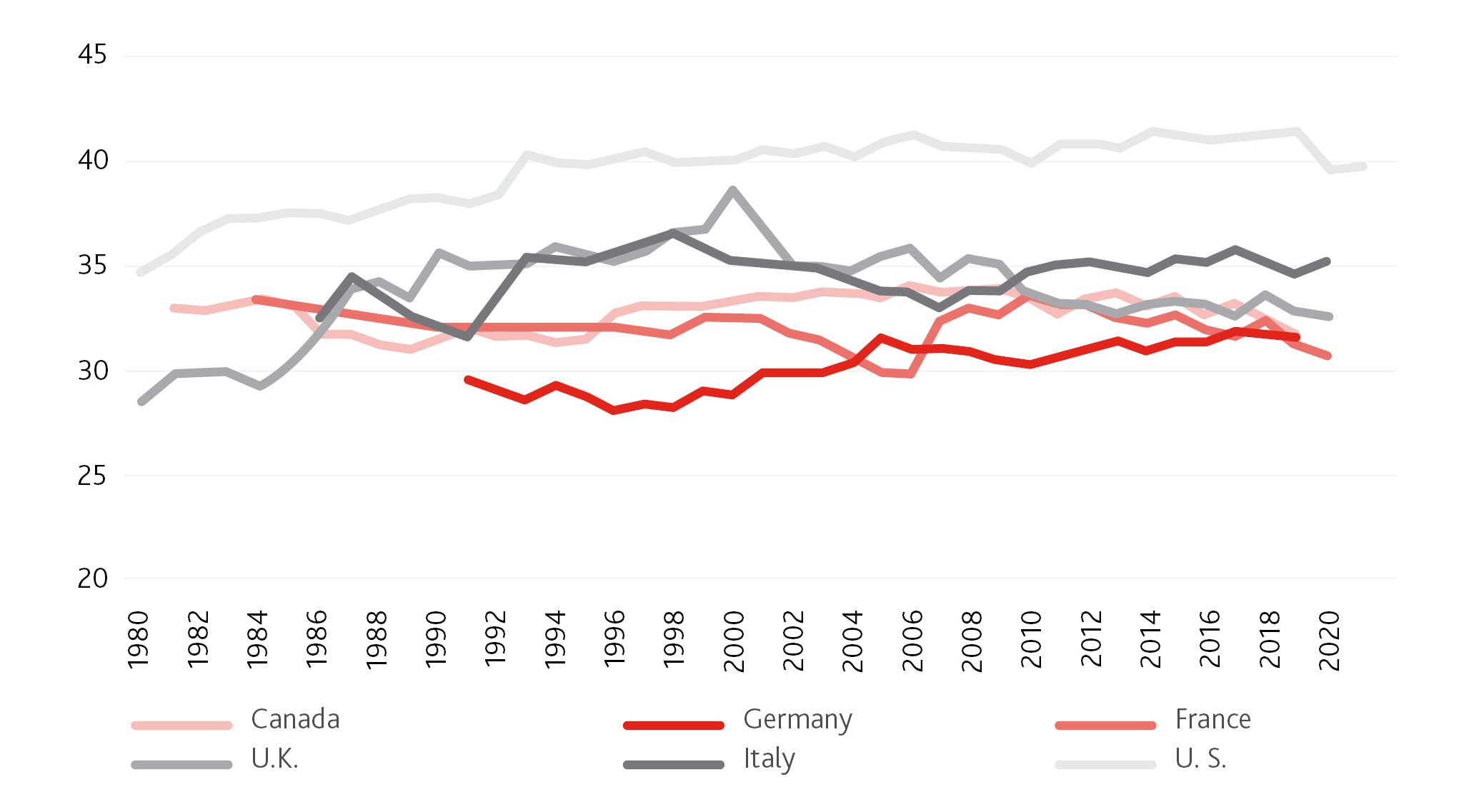
Social inequality has increased in many advanced economies since the 1980s (Figure 1)2 and there is a pressing need to address the resultant financial vulnerabilities. While private insurance is not designed to address social inequality directly, its relevance to income and wealth distribution is clear. When a shock like the premature death or disability of the main breadwinner occurs, households lose income or the ability to earn income, hitting the poorest the hardest. Insurance benefits provide at least partial financial relief.
Inclusive insurance can therefore be considered an effective tool to mitigate social inequality.3 By pooling risks, inclusive insurance redistributes financial burdens across a broader population, cushioning the impact of unforeseen events on vulnerable individuals and families. This helps prevent them from falling (back) into poverty and contributes to a more equitable society.
The benefits of inclusive insurance also extend to the middle class, which is increasingly squeezed by eroding inflation-adjusted incomes and savings, as well as less stable work patterns, such as those found in the gig economy.4
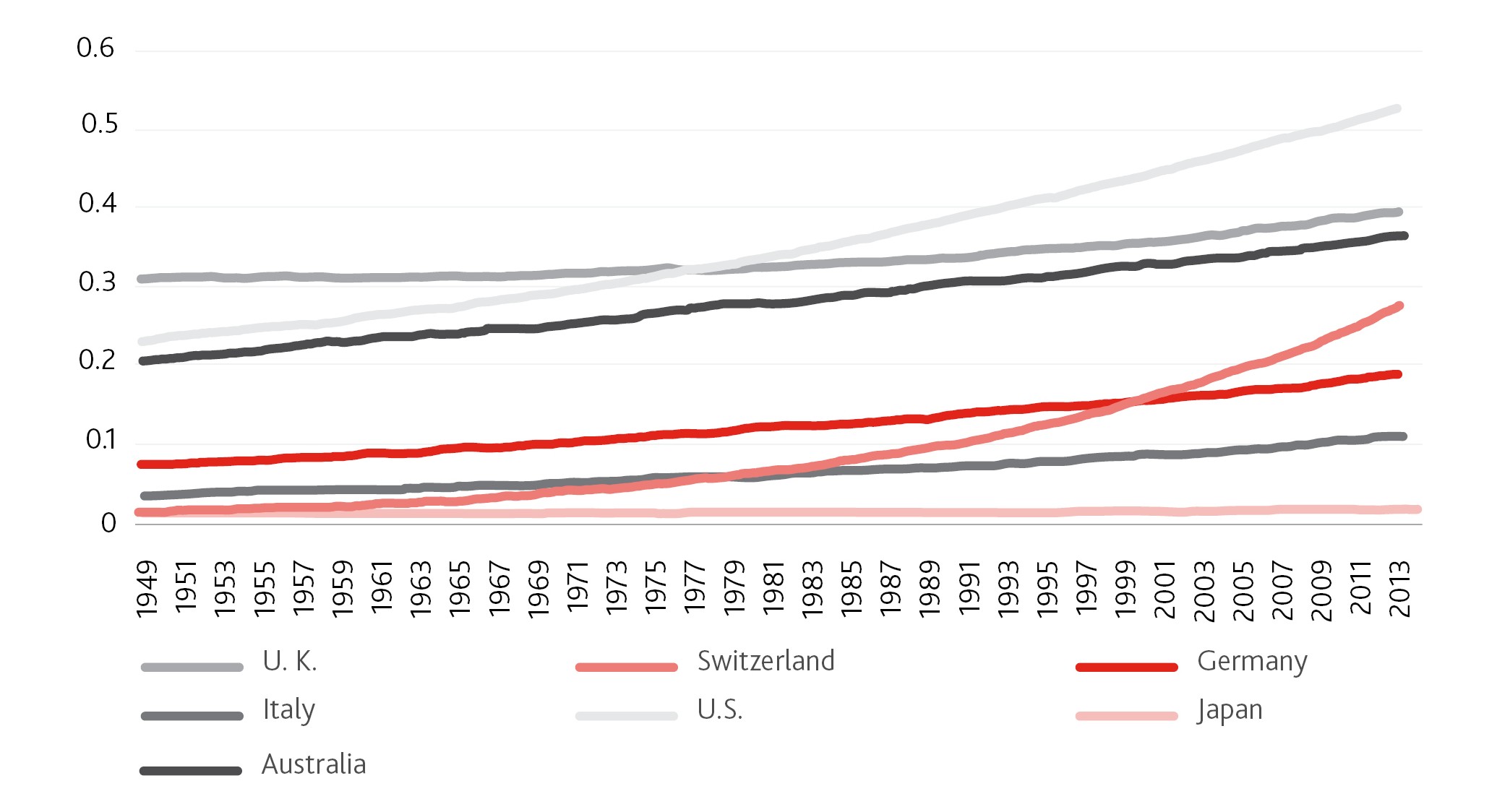
Societies are also becoming more diverse due to migration, particularly in the U.S., the U.K. and Switzerland (Figure 2). Inclusive insurance can contribute to the financial inclusion of migrants, supporting their socio-economic integration and financial resilience. This is especially important given many migrants’ above-average exposure to the risk of poverty and workplace mortality.5
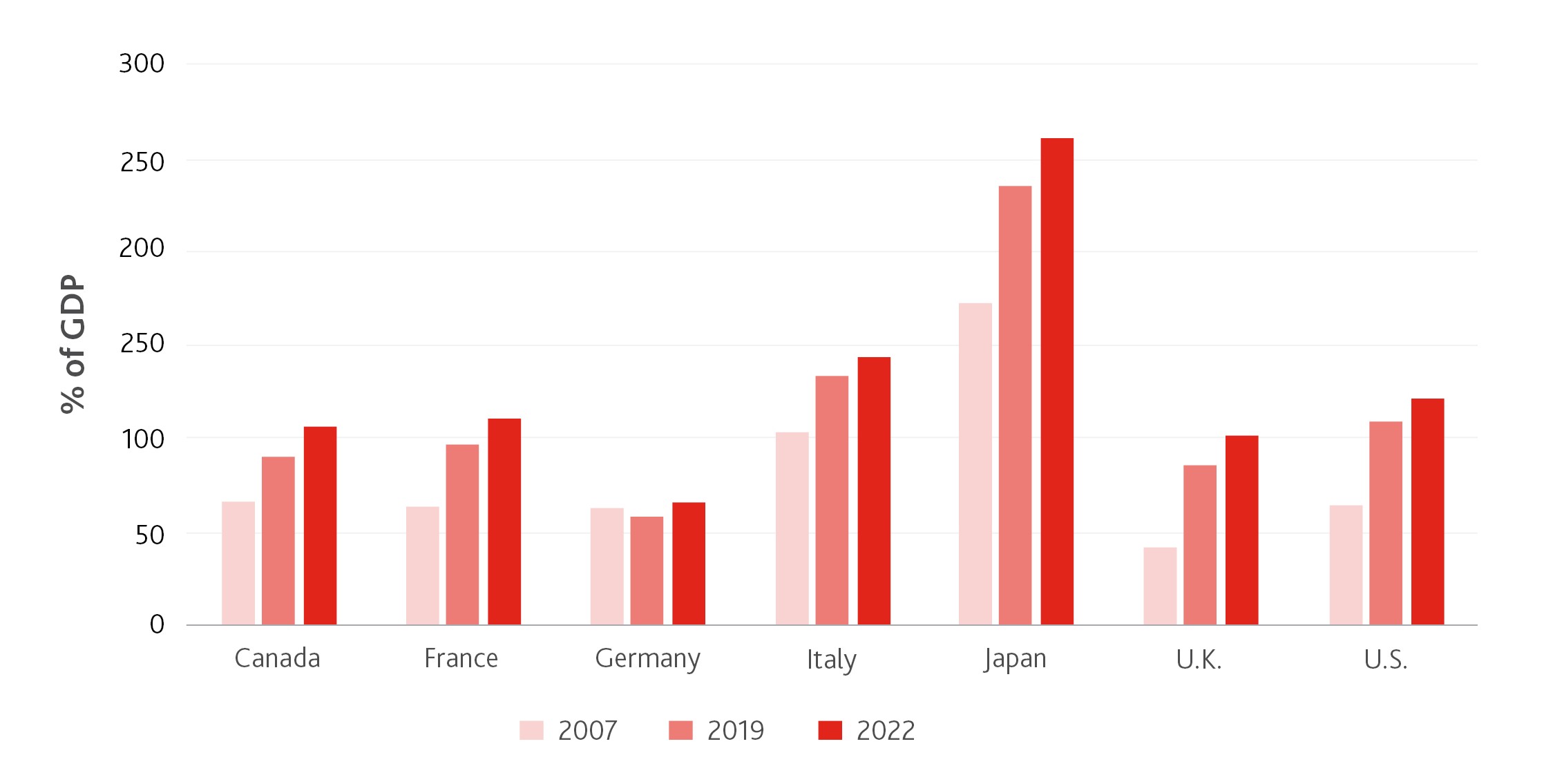
Social safety nets in advanced economies are fraying due to pressured public finances as debt levels soared dramatically after the Global Financial Crisis, exacerbated by the COVID-19 pandemic (Figure 3). Inclusive insurance can partially narrow emerging gaps, mitigate growing financial vulnerabilities and enhance the resilience of individuals and communities, such as the elderly, disabled and people living in low-income areas prone to natural disasters.6 Historically, private insurance has offered supplemental coverage to fill gaps left by social insurance, such as covering certain medical expenses. Private insurance plans also often allow individuals to purchase higher benefit levels than those offered by social insurance, such as for disability and long-term care. However, private insurance may not be accessible or affordable for everyone, and its ability to complement or even replace social insurance benefits depends on its inclusivity.
FIGURE 1: GINI COEFFICIENT7 FOR SELECT ADVANCED ECONOMIES (1980-2021)
Source: Compiled from World Bank data8
FIGURE 2: ETHNIC FRAGMENTATION IN DEVELOPED COUNTRIES (1949-2013)9
Source: Harvard University10
FIGURE 3: GOVERNMENT DEBT AS A PERCENTAGE OF GDP (2007, 2019, 2022)
Source: Compiled from IMF data11
Measuring the inclusivity of insurance is a major challenge. The commonly used metric of aggregate insurance penetration (premiums as a share of GDP) encompasses commercial and industrial activities and provides little insight into insurance usage at the household level. This is especially true for socio-economic subgroups defined by age, income, employment status, health status or ethnicity. More conclusive data on penetration, defined as the share of insured individuals in the total population, is sparse.12 Insurance companies typically report premium volumes to investors, supervisors and the public, but not the number of insurance policies in force or underwritten during a period, nor the number of individuals holding these policies.13
Therefore, market surveys are typically conducted among specific socio-demographic groups to better measure the inclusivity of insurance. These surveys consider metrics such as the availability and accessibility of insurance products, the affordability of insurance premiums and the suitability of products and their alignment with the diverse needs of different socio-economic groups.
Against this backdrop, this report will:
Financial inclusion refers to the availability and accessibility of financial services to all segments of the population. It aims to ensure that individuals have access to a suitable range of financial products and services, regardless of their socio-economic or socio-demographic status. These offerings typically include banking, credit, savings, payment and insurance services.14
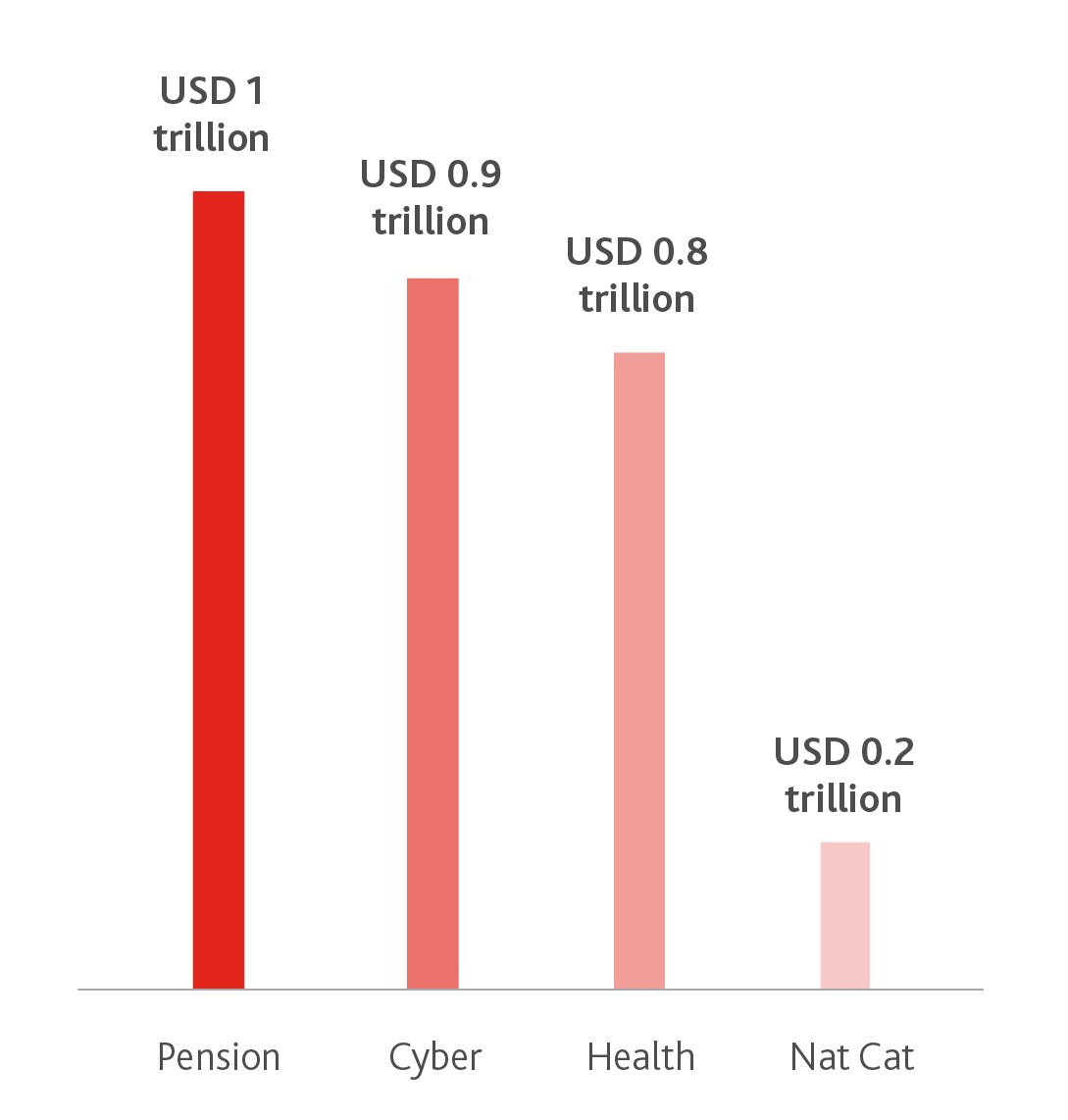
The discussion of inclusive insurance (or the lack thereof) is framed within the context of overall risk protection needs. As illustrated by Figure 4, significant portions of these needs remain uninsured, creating substantial risk protection gaps. In the pension sector, for example, the global annual shortfall in savings required to achieve a 65% income replacement level amounts to approximately USD 1 trillion. Global uninsured annual cyber losses, including both criminal and non-criminal incidents, total about USD 900 billion, nearly 100% of estimated economic losses in this area. Global annual out-ofpocket health expenditure, a proxy for the health protection gap, is estimated at around USD 800 billion. Lastly, about two-thirds of economic losses from natural catastrophes remain uninsured, resulting in a protection gap exceeding USD 100 billion per year.15
FIGURE 4: GLOBAL RISK PROTECTION GAPS (UNINSURED ECONOMIC LOSSES OR NEEDS)
Source: Global Federation of Insurance Associations (GFIA)16
The insurance protection gap is smaller than the risk protection gap (see Figure 5) because it is neither economically beneficial nor feasible to fully insure all economic losses for several reasons:
Given these factors, insurance protection gaps can be defined as the difference between the amount of insurance that is economically beneficial and feasible, and the amount of coverage purchased.18 This notion, however, is inherently subjective and difficult to measure. Therefore, it is typically replaced by the broader concept of the risk protection gap, which compares covered losses or needs to total economic losses or needs. This perspective tends to overstate the potential role of insurance.
FIGURE 5: PROTECTION GAPS AND INSURANCE INCLUSION GAPS
Source: Geneva Association
Risk and insurance protection gaps exist in all lines of personal and commercial insurance and are aggregate measures. In this report, we introduce the new concept of insurance inclusion gaps as a subset of insurance protection gaps. The inclusion gap describes the difference between the average level of insurance coverage across the entire population and the level of coverage among specific demographic groups that may be excluded from or underserved by insurance markets. These groups may include the young, the elderly, low-income earners and the chronically ill. Microinsurance, often referred to in the context of developing countries, can be seen as a subset of inclusive insurance, focusing on lower-income populations.19
In conclusion, protection and insurance inclusion gaps are related but distinct phenomena. Improving access to financial protection is a common goal. Inclusive insurance and microinsurance target specific populations with insurance products that are accessible, affordable and tailored to their unique needs and circumstances. While protection gaps can arise for various reasons, insurance inclusion gaps highlight specific situations where certain individuals or groups are excluded from accessing or obtaining insurance.
Inclusive insurance aims to promote the resilience of different people and businesses. In developing economies, the socio-economic benefits of inclusive insurance centre around poverty alleviation and livelihood protection, especially for the unserved.20 In advanced economies, which are the focus of this report, these benefits are more multi-faceted and subtle. They primarily arise from including and enhancing the resilience of those who are underserved rather than unserved. These groups may not be low-income earners but could face other barriers to accessing insurance products.21
When analysing the socio-economic benefits of inclusive insurance, the structural differences between advanced and developing insurance markets need to be considered. Relative to lower-income economies, mature insurance markets are characterised by relatively high levels of penetration, sophisticated products, well-established regulatory frameworks, solid levels of insurance literacy and a broad spectrum of distribution channels.22 With these special institutional characteristics in mind, we suggest three main socio-economic benefits of inclusive insurance in mature markets: enhanced socio-economic stability, improved financial literacy and risk awareness, and support for entrepreneurship.
2.2.1 Enhancing socio-economic stability
Inclusive insurance helps mitigate risks for unserved or underserved individuals and businesses, cushioning financial shocks from unforeseen events such as accidents, illness, premature death or natural catastrophes. With such a safety net in place:
“The purpose of inclusive insurance in developed economies is slightly different from emerging markets. Rather than securing an upward trajectory for a growing, emerging middle class, inclusive insurance in mature markets is very much about stopping people from falling behind, especially the growing number of those with little scope for saving as their lives become more expensive and less certain. In France, for example, we estimate this lower middle class at about 18 million people, a quarter of the population. We as insurers cannot allow ourselves to leave these increasingly vulnerable populations behind.”
Garance Wattez-Richard, AXA EssentiALL
2.2.2 Promoting financial literacy and risk awareness
Insurers often offer financial education and literacy programmes alongside their core insurance products. These educational materials and resources can be tailored to underserved populations, helping them better understand insurance concepts such as premiums, deductibles, coverage limits and claims processes. In this way, insurance empowers individuals to make informed decisions about managing risk, protecting their assets and planning for their future.29
Furthermore, by offering bespoke, simple and essential value products, insurers can demonstrate the relevance and importance of insurance in addressing the unique risks faced by different demographic groups. When people buy insurance, they become more aware of potential risks and their consequences, leading to more risk-conscious behaviour. This is especially true for populations who have never had insurance coverage or were excluded from traditional insurance markets. Inclusive insurance enables these individuals to manage and mitigate various risks such as health emergencies or natural disasters. As a result, they are motivated to prioritise resilience and adopt risk-mitigation strategies, generating positive externalities for society at large.30
Agency-based distribution models can significantly enhance financial literacy and inclusivity in insurance. Agents are able to build personal relationships within local communities, and often engage with local boards and educational initiatives. Agency models can combine human interaction with digital engagement to optimise the affordability and accessibility of insurance for underserved populations. As emerging challenges like climate change and demographic shifts intensify, the importance of financial literacy and insurance awareness will continue to grow. It will be increasingly vital for customers to understand the financial implications of their decisions, and an agent is uniquely positioned to help.
Jonathan Porwick, State Farm Mutual Automobile
2.2.3 Boosting entrepreneurship
Insurance enables entrepreneurs and small businesses to protect their investments and pursue new opportunities. By reducing the fear of potential losses, insurance encourages calculated risk-taking and innovation, positively impacting economic growth. It also reduces the need to hold liquid reserves for potential losses. By pooling insurable risks, insurance allows entrepreneurs to focus on the commercial and financial risks of their endeavours. Additionally, insurance significantly increases the likelihood that, after financial shocks from disasters, companies will remain operational, continue serving customers, provide employment and pay taxes.31 Furthermore, insurance can be a prerequisite for accessing funding from banks or other institutions.32 These benefits can only be maximised by promoting inclusivity and addressing specific pockets of vulnerability among entrepreneurs and small businesses.
Conclusive and internationally comparable data on inclusive insurance, such as the share of insured people in specific segments of the total population, is sparse. Existing surveys are country specific. Most available data comes from the U.S. and captures socio-demographic criteria such as age, race, migratory background, income and form of employment.33
To fill this gap, this report provides a comprehensive analysis of inclusion gaps based on the findings of a global customer survey. Conducted in the second quarter of 2024, the survey included more than 28,000 representative financial decision-makers in households across seven advanced economies: France, Germany, Italy, Japan, Spain, the U.K. and the U.S.34
Based on this large sample of respondents (the reference population), the survey targeted specific socio-demographic subgroups to evaluate insurance coverage ratios, the perceived need for additional coverage, reasons for not buying (more) insurance and expectations towards insurers. It collected data from various groups, including low-income individuals, the self-employed, chronically ill individuals, the elderly, Gen Z and migrants.
Except for Japanese foreign-born respondents, a statistically relevant number of at least 200 participants was achieved for each socio-demographic subgroup. Gen Z respondents were categorised as those aged between 18 and 26; the elderly as those older than 65; low-income respondents as those in the bottom two octiles; migrants as those born outside of their country of residence; and people affected by serious or chronic (pre-existing) illnesses as those who responded affirmatively to having conditions like diabetes, heart disease or debilitating mental health conditions.
The primary insurance classes analysed were residential property, voluntary motor, personal liability, income protection, critical illness, private health, risk-oriented (term) and savings-oriented life, pet and mobile device insurance.
The following sections present key findings from the survey. Rankings of countries and socio-demographic subgroups provide insights that are crucial for addressing inclusion gaps.
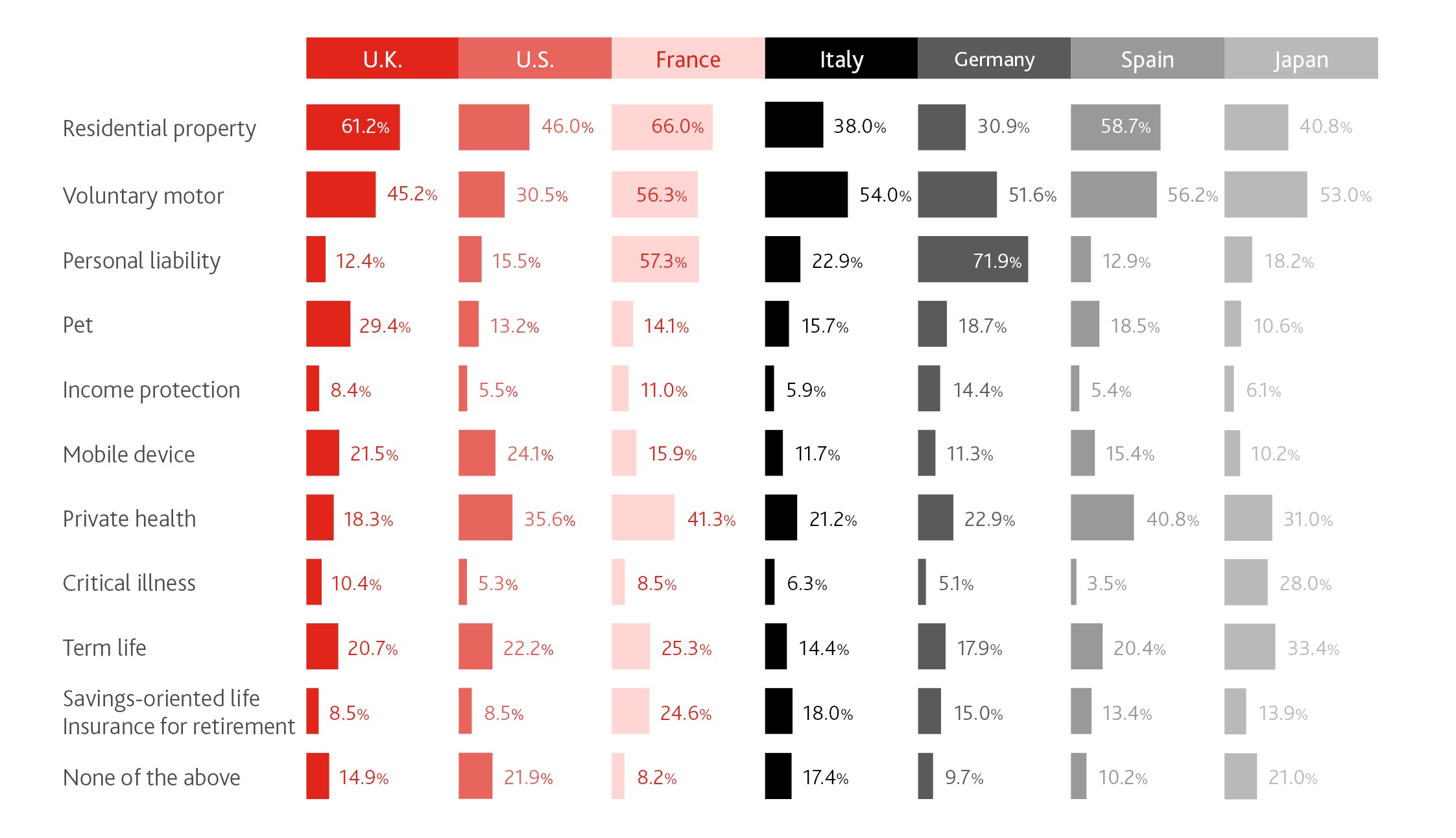
The vast majority (85%) of respondents own at least one voluntary insurance product. Residential property and motor insurance are the most popular; ownership levels are lowest for critical illness and income protection insurance (see Figures 6 and 7).
Among the demographic subsamples, low-income (52%), Gen Z (66%) and immigrant respondents (80%) own less insurance than the reference population (see Figure 6), indicating inclusion gaps.
FIGURE 6: SHARE OF RESPONDENTS THAT ARE INSURED, BY SUBGROUP37
Source: Geneva Association customer survey, powered by Dynata
FIGURE 7: CURRENT OWNERSHIP OF VOLUNTARY INSURANCE PRODUCTS, BY COUNTRY38
Source: Geneva Association customer survey, powered by Dynata
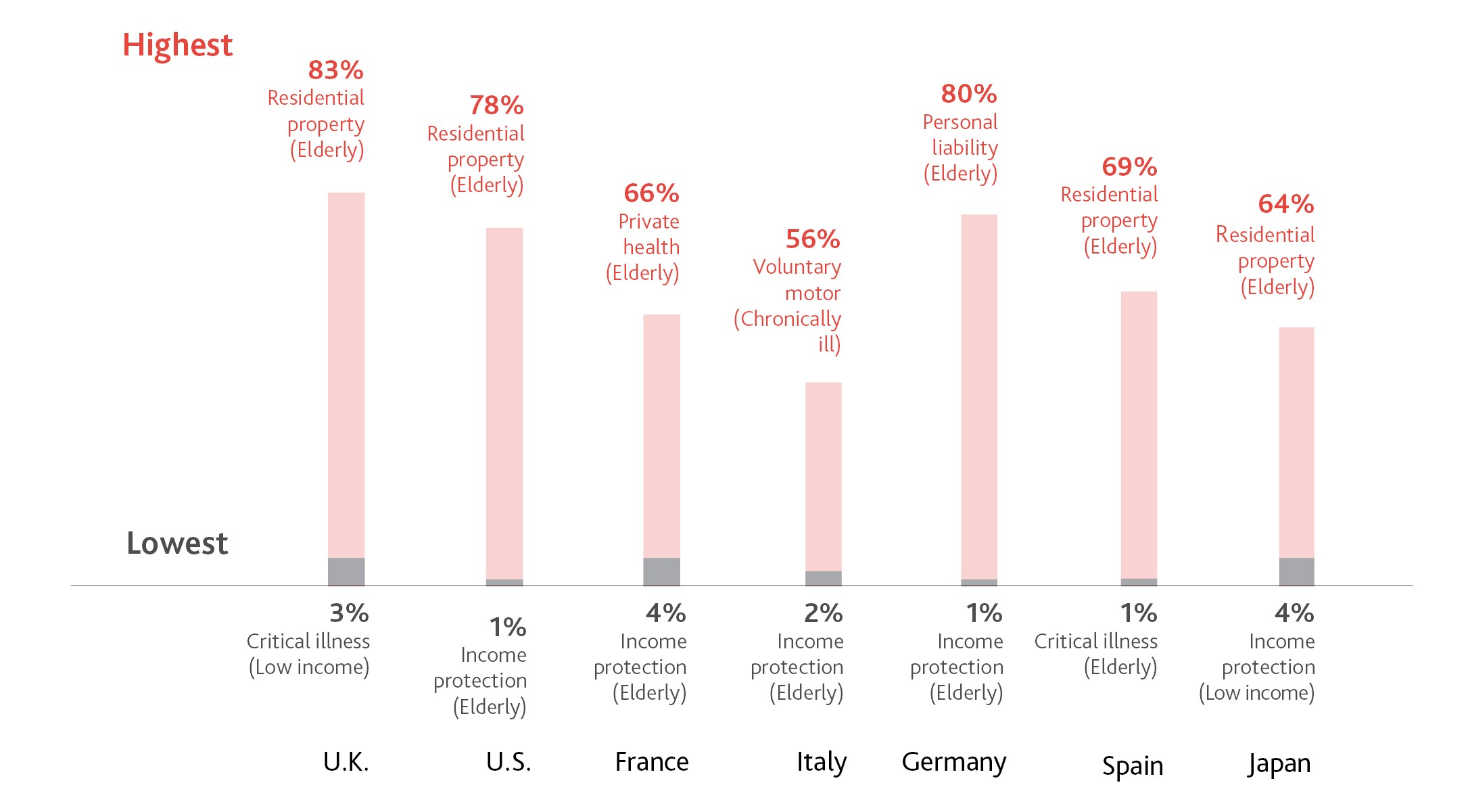
Figure 8 illustrates the wide range of subgroup ownership ratios, indicating the highest and lowest levels per country. In the U.K., for example, the elderly exhibit the highest observed ownership ratio across all subgroups, specifically in residential property. The lowest penetration in the U.K. is observed for low-income respondents (critical illness).
The findings for the socio-demographic subgroups are relatively homogeneous across the seven markets surveyed. Therefore, we will focus on those results that differ materially from the sample or subsample average.
FIGURE 8: HIGHEST AND LOWEST OBSERVED OWNERSHIP RATIOS PER COUNTRY, PRODUCT AND SUBGROUP
Source: Geneva Association customer survey, powered by Dynata
The U.S. shows the highest average ownership of mobile device insurance (24%) but the lowest overall penetration in income protection (5%)39 and savings-oriented life insurance (8%). With 78% of all residents surveyed possessing an insurance policy, the U.S. displays the lowest overall ownership of all markets.
In the U.K., has the second highest ownership of property insurance (61%) and the highest level for pet insurance (30%). At 18%, average private health insurance penetration is lowest, reflecting the free services provided by the National Health Service (NHS) and high levels of public trust and cultural attachment to the public health system. At 70%, low-income respondents are significantly better insured than the global average for this subgroup, which may be attributable to the broad availability of flexible, low-cost products in a highly competitive insurance market.
Japan stands out with the sample’s highest average penetration in term life (33%) and critical illness insurance (28%). The country has one of the highest life expectancies in the world, and its population is ageing rapidly. As a result, individuals are more concerned about the potential long-term financial impact of critical illnesses and death. Conversely, ownership levels are lowest in mobile device (11%) and pet insurance (10%). Notably, Japan has the lowest proportion of insured Gen Z respondents (59%), possibly reflective of relatively low wages for young adults and their propensity to stay with their families well into adulthood.
France shows the highest overall ownership of insurance (92%) in the global sample. It also boasts the highest average penetration in residential property (66%), voluntary motor (56%), private health (41%) and savings-type life insurance (25%, also as a result of significant tax advantages), as well as the second-highest personal liability insurance penetration (57%). Among the elderly and those diagnosed with a chronic illness, 66% and 48%, respectively, own private health insurance, again placing France in the top spot by a wide margin. This may be due to gaps in public health coverage (Securité Sociale).
Germany leads in personal liability insurance, with 72% of residents owning it, compared to the 30% sample average. This reflects a combination of legal requirements and cultural attitudes towards risk and responsibility. With 90% of all respondents insured, Germany has the second-highest overall level of insurance ownership.
In Italy, voluntary motor insurance has an above-average penetration rate of 54%, making it one of only two markets, along with Japan, where this line of business holds the top position. Italy shows the lowest overall insurance penetration, at 83%, of the Continental European markets surveyed.
Spain is among the top markets internationally in terms of average residential property (59%), voluntary motor (56%) and private health (41%) insurance penetration. Almost 90% of surveyed residents own insurance.
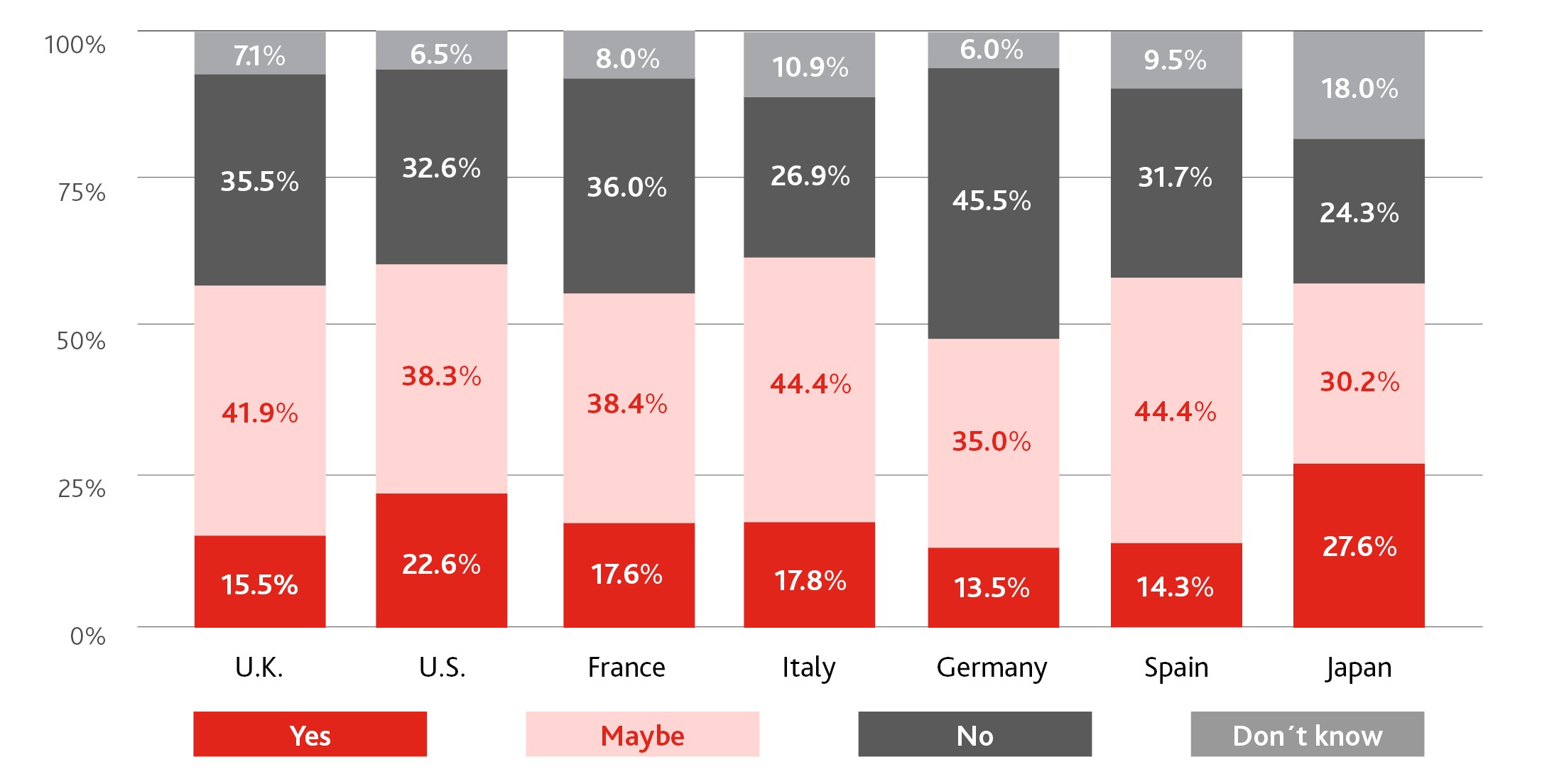
A closer examination of insured populations reveals varying perceptions of the need for additional coverage. In Japan, 28% of all respondents feel they need more coverage, the highest receptiveness in the total sample. The U.S. ranks second with 23%. Conversely, in Germany, 45% believe they do not need additional coverage, indicating the lowest appetite for more insurance. Respondents in the U.K. and France are also relatively reluctant, with 36% each expressing no interest in additional insurance (see Figure 9).
FIGURE 9: NEED FOR MORE INSURANCE AMONG THOSE WHO ALREADY OWN IT, BY COUNTRY
Source: Geneva Association customer survey, powered by Dynata
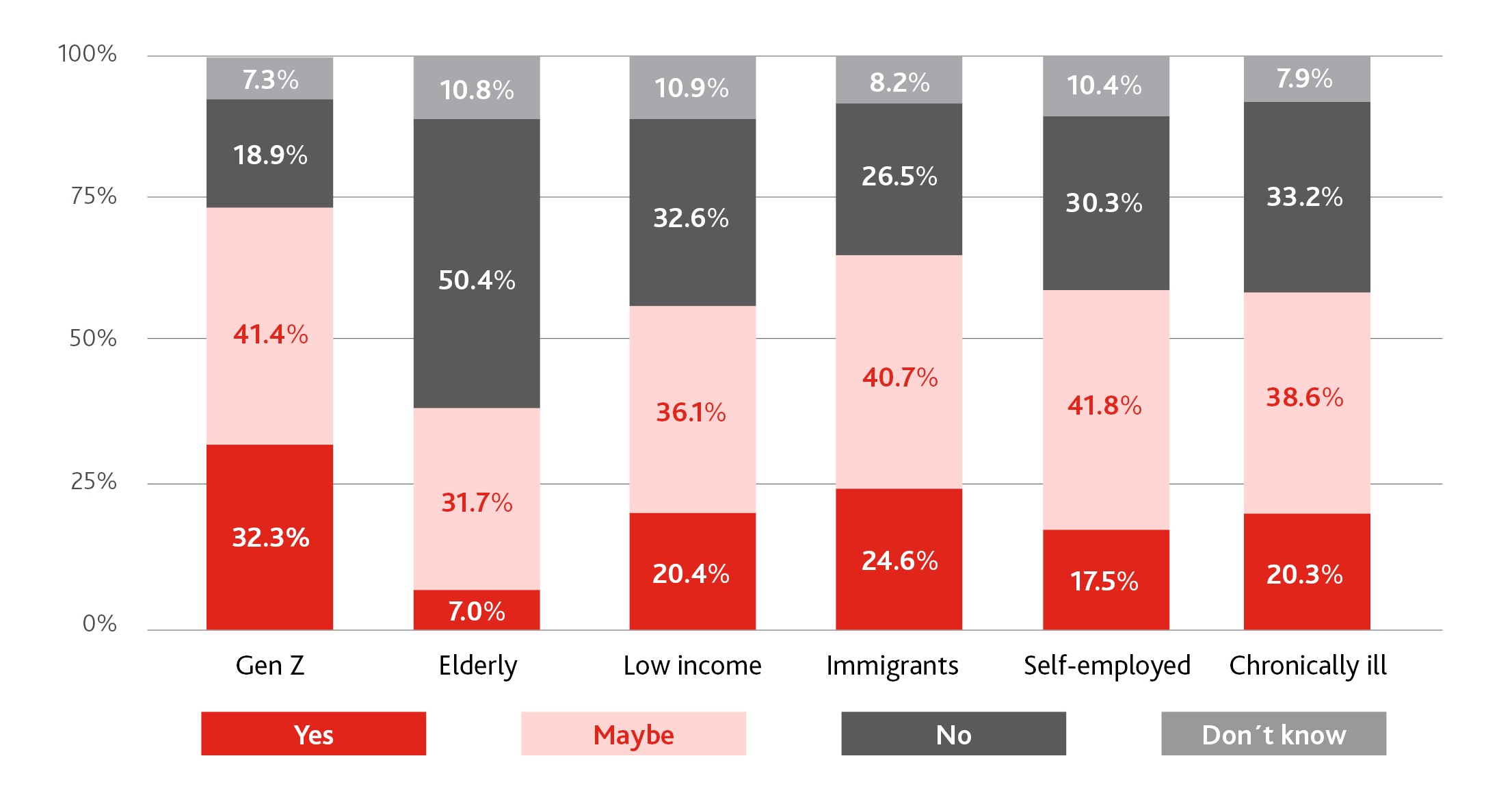
FIGURE 10: NEED FOR MORE INSURANCE AMONG THOSE WHO ALREADY OWN IT, BY SUBGROUP
Source: Geneva Association customer survey, powered by Dynata
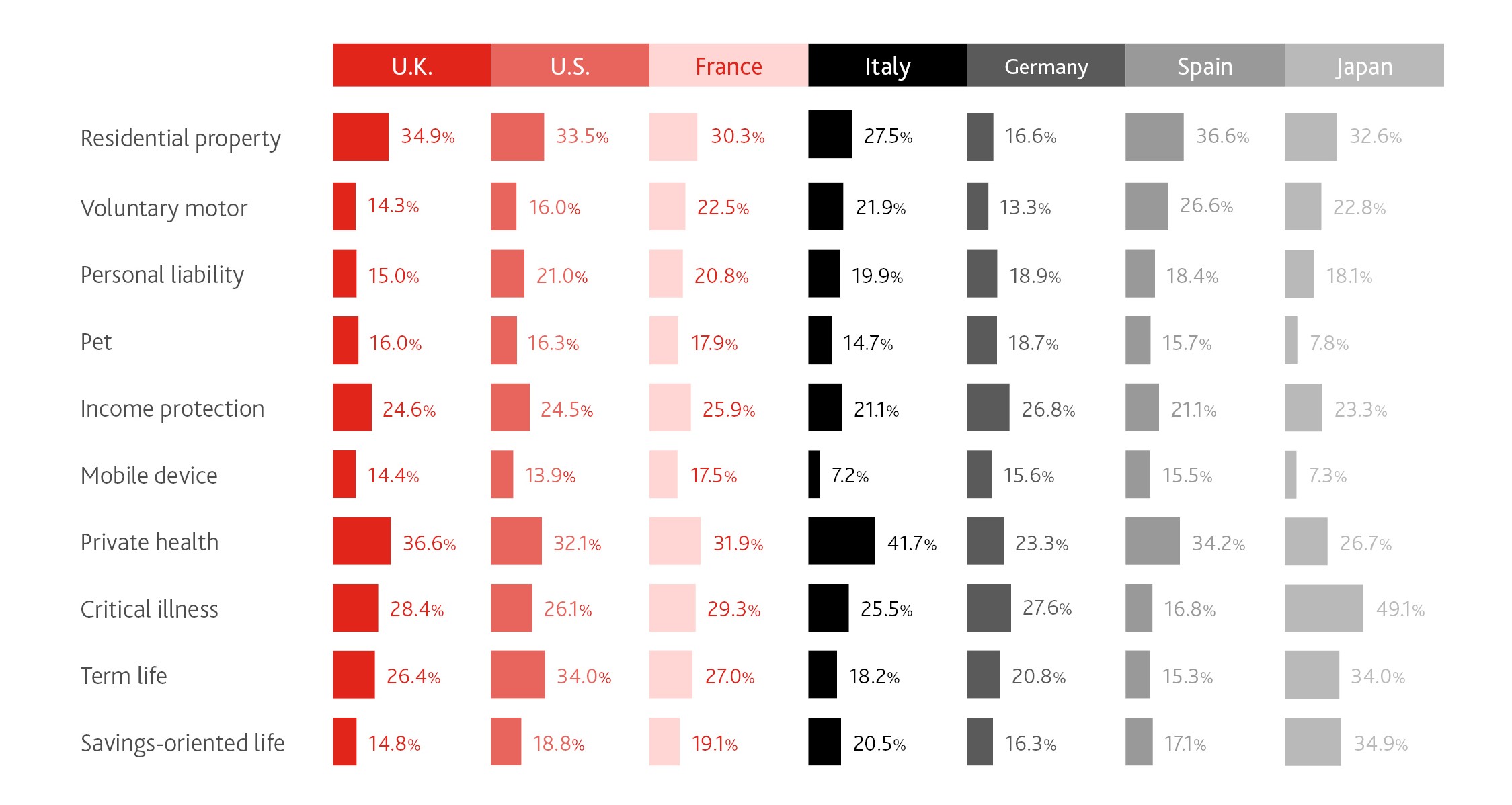
FIGURE 11: AREAS WHERE UNINSURED RESPONDENTS FEEL THEY NEED MORE INSURANCE, BY COUNTRY
Source: Geneva Association customer survey, powered by Dynata
Across all markets, Gen Z is most receptive to more insurance, with almost a third expressing the need for more coverage (see Figure 10). The elderly show the least appetite, particularly in Germany, where a massive 73% of respondents report no need for additional insurance. In the U.S., 26% of the self-employed feel they need more insurance, the highest among their respective global subsamples.
In terms of insurance class, insured respondents see the most need for additional coverage in private health (33%) and residential property insurance (31%) (see Figure 11).
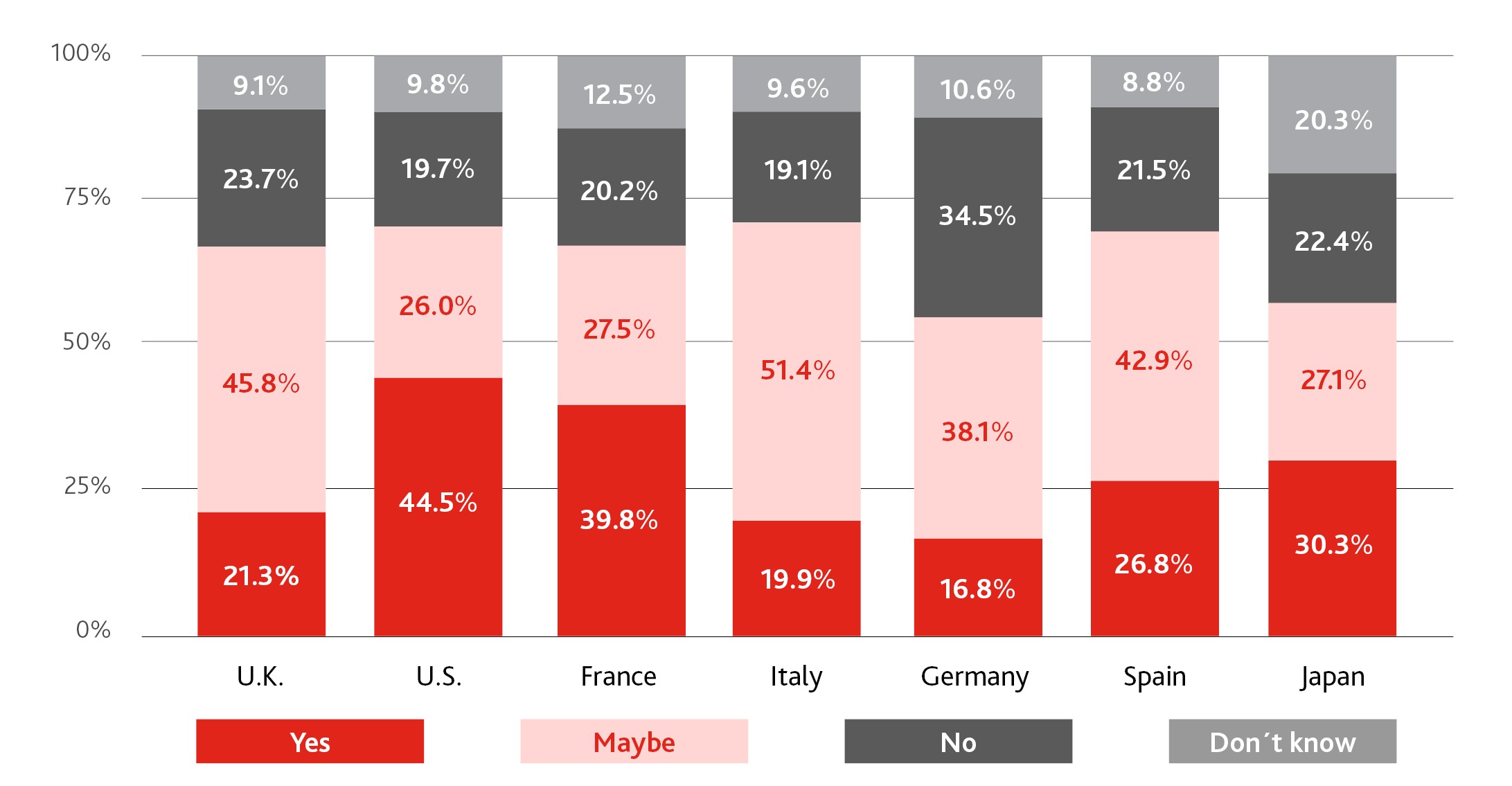
The uninsured, comprising 15% of the total sample, exhibit widely varying levels of interest in obtaining insurance, both by country and socio-demographic subsample. In the U.S., 45% of uninsured respondents feel they should have insurance, followed by 40% in France. The sample average is 29%. In Germany, around a third of respondents say no to insurance. Only about 20% of respondents in the other markets are negative toward it (see Figure 12).
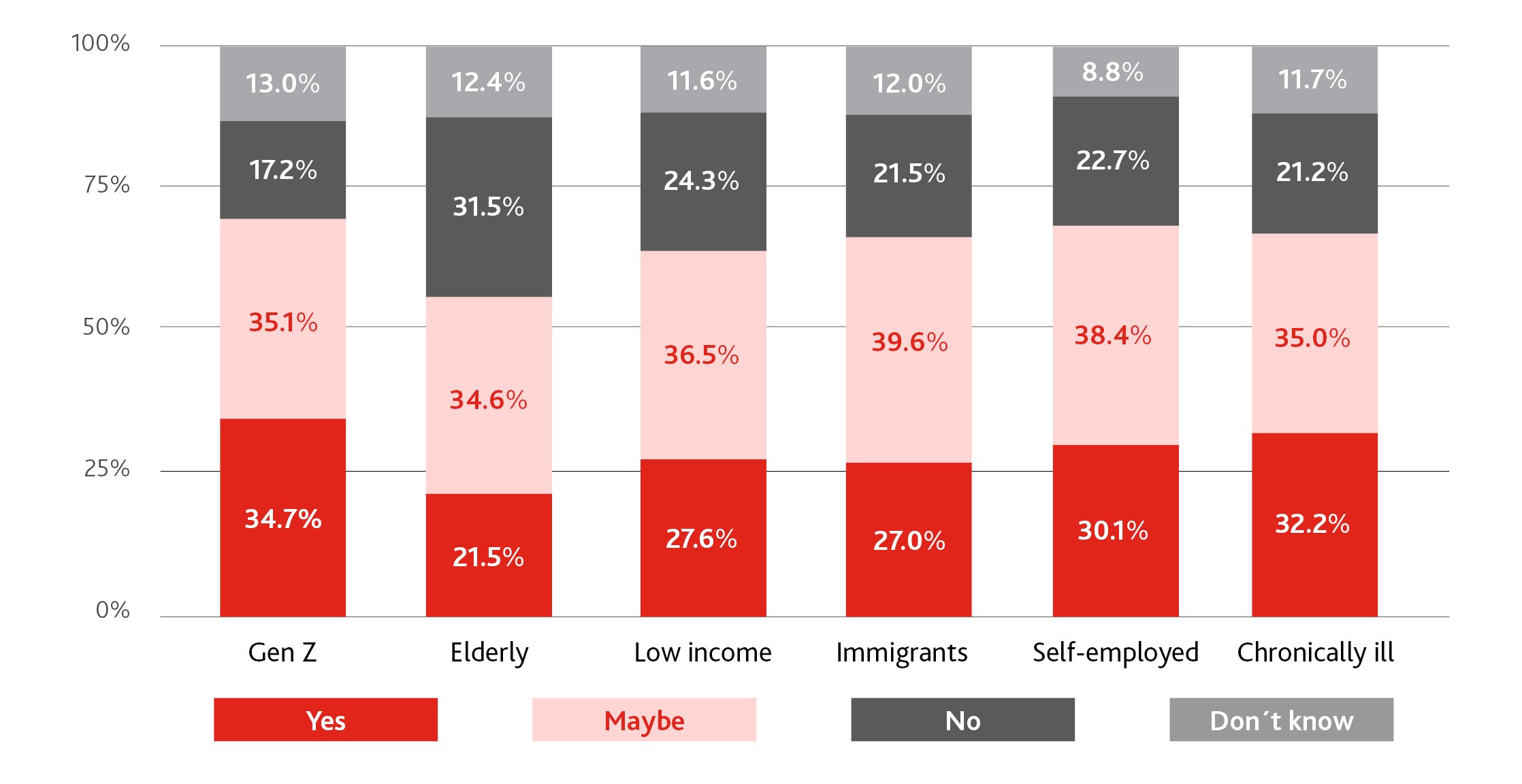
Across all markets, Gen Z is most receptive to insurance, with 35% of uninsured respondents expressing a desire for it (see Figure 13). The elderly show the least appetite, particularly in Germany, where 52% of uninsured respondents report no need for insurance.
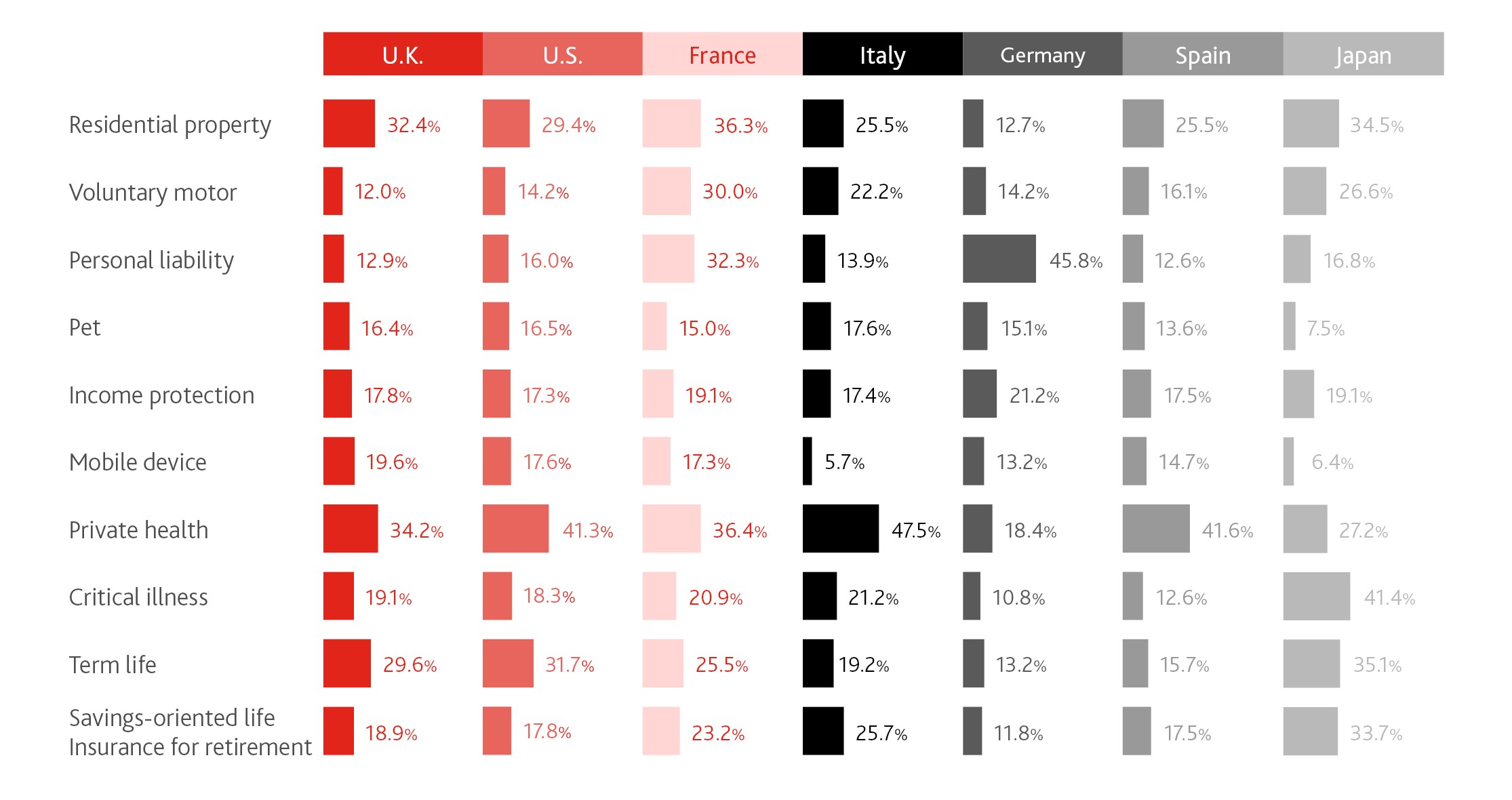
Like the insured population, the uninsured show the greatest need for private health and residential property insurance (see Figure 14). Notably, 47% of uninsured Italian respondents express a desire for private health insurance, while 46% of uninsured Germans want personal liability insurance.
FIGURE 12: NEED FOR INSURANCE AMONG THOSE WHO DO NOT OWN IT, BY COUNTRY
Source: Geneva Association customer survey, powered by Dynata
FIGURE 13: NEED FOR INSURANCE AMONG THOSE WHO DO NOT OWN IT, BY SUBGROUP
Source: Geneva Association customer survey, powered by Dynata
FIGURE 14: AREAS WHERE UNINSURED RESPONDENTS FEEL THEY NEED MORE INSURANCE, BY COUNTRY
Source: Geneva Association customer survey, powered by Dynata
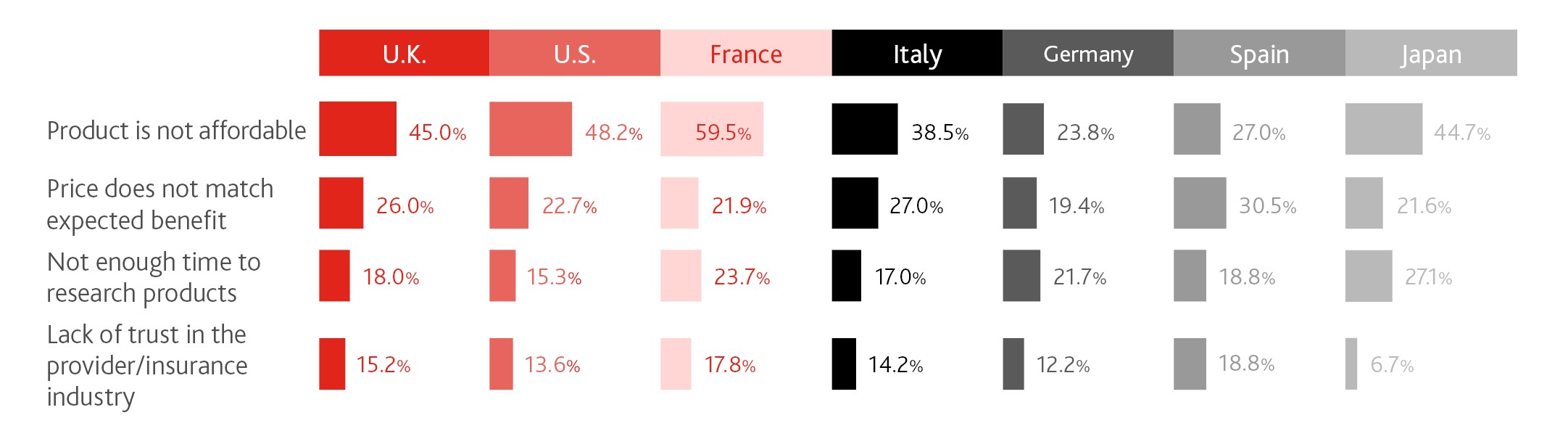
Globally, three primary reasons explain why people do not have insurance or choose not to purchase more. The most significant reason, unsurprisingly, is affordability, cited by 41% of all survey respondents and ranking first in all surveyed markets except Spain. France emerges as the most price-sensitive market, with 60% of respondents focused on affordability, while Germany is the least price-sensitive at 24% (see Figure 15).
Doubts about the cost-benefit characteristics of insurance products rank second globally (24%), and highest in Spain (31%). The third most frequently mentioned reason is a perceived lack of time or unwillingness to research insurance options (20%), with the highest proportion in Japan (27%).
A lack of trust in insurance companies is the fourth most relevant factor, especially in France and Spain, mentioned by nearly 20% of respondents in these markets (see Figure 15).
Affordability is consistently the most important issue for all socio-demographic subgroups, especially for low-income respondents. For Gen Z respondents, lack of time to research products is a disproportionately important factor, particularly in Japan, Germany and Spain, surpassing concerns about affordability.
FIGURE 15: REASONS FOR NOT BUYING (MORE) INSURANCE
Source: Geneva Association customer survey, powered by Dynata
Globally, respondents have three main expectations from their insurance providers: make insurance more affordable (55%), provide clearer policy wordings (37%) and improve claims settlement processes (31%) (see Figure 16).
Affordability is particularly important for the elderly (64%), especially in the U.S. and the U.K., where over 70% raise this issue. Improved accessibility of insurance is most pressing for Gen Z respondents (27%).
The desire for clearer policy wordings is strongest in France (46%) and the U.K. (43%), notably among the self-employed and the elderly, with around 50% of these groups highlighting this expectation. It was cited less prominently in the U.S. (30%).
Improved claims practices are a top priority for respondents in Germany and the U.K. (43% and 37%, respectively). In other countries, the shares range between 25% and 30%.
The desire for more customised offerings is the fourth most frequently mentioned expectation overall. It is strongest in Germany, Italy and Spain (around 40%) but much less so in Japan (18%). This expectation is highest among Gen Z respondents.
Surprisingly, there is limited interest in more prevention-oriented offerings, typically mentioned by less than 20% of respondents. The shares are lowest in Germany and Japan, at around 10%. However, Gen Z respondents across all countries (except Japan) are more receptive.
FIGURE 16: EXPECTATIONS TOWARDS INSURANCE COMPANIES
Source: Geneva Association customer survey, powered by Dynata
The findings from the global customer survey presented in section 3 provide a comprehensive empirical picture of the key barriers to more inclusive insurance markets. Building on these findings, this section offers an in-depth theoretical analysis of these barriers, complemented by inputs from expert interviewees.
Aligned with the literature, we classify barriers to inclusivity in insurance into four broad categories (see Figure 17):
FIGURE 17: BARRIERS TO INCLUSIVE INSURANCE
Source: Geneva Association
"From a private-sector perspective, there are three primary challenges to creating more inclusive insurance markets. First, there's the need to develop a cost-effective approach to reaching and educating potential customers. Second, there's the issue of the share of wallet available for insurance, particularly for supplemental products. And third, there's the difficulty of retaining customers who may deprioritise insurance when other expenditure needs arise. Digital innovations can play a significant role in helping to address all three of these issues. While regulators around the world recognised the importance and practicality of digital solutions and facilitated them during the pandemic, continued efforts in advanced economies to modernise outdated regulations are critical to meet the needs of a broader segment of society."
Joe Vasquez, Chubb
Inclusion gaps can reflect a lack of adequate and diverse products that cater to different socio-demographic groups. In the following, we focus on three main reasons that may help explain the unavailability of insurance products:
4.1.1 Insurance market factors
Asymmetrically distributed or incomplete information is a defining feature of most insurance markets and may explain gaps in insurance offerings. In general, asymmetric information refers to a situation where one party involved in a transaction possesses more or better information than the other party. In insurance markets, this typically means that the insured has more information about their own risk profile than the insurer.43 This is a particular challenge in health insurance, which could be exacerbated by medical advancements based on technology (e.g. increasingly inexpensive genetic tests).
In groundbreaking work on the consequences of information asymmetry, Akerlof explores the market for used cars.44 He shows that if buyers cannot distinguish between a high-quality car (a 'peach') and a low-quality car (a 'lemon'), they will only be willing to pay for a car of average quality. As a result, sellers of high-quality 'peaches' will not participate in the market, leaving offers solely from 'lemon' owners. Applied to insurance markets, this means that if the insurer prices its business on the average loss probability of the entire pool of insureds, those with the highest risk will be the most likely to purchase coverage whereas low-risk pool members may opt out. As a result of this 'adverse selection', insurers will face higher costs, potentially leading them to limit coverage or increase premiums for specific socio-demographic groups. This is particularly true for populations with limited data histories that can change the risk profile of the overall pool of insureds.
Arrow identified a related reason for gaps in insurance offerings due to incomplete or asymmetrically distributed information: moral hazard.45 This phenomenon describes the probability of a person assuming more risks because someone else carries the costs of them, which can result in higher claims frequency or severity, leading insurers to limit coverage or raise premiums.
In general, insurers rely on accurate and complete information to assess risk and calculate appropriate premiums commensurate with risk. If certain individuals or groups are unable or unwilling to disclose information about their risk factors, insurers may be reluctant to offer coverage.46
4.1.2 Insurance company factors
Insurance enterprises need to operate financially sound and viable business models. Consequently, they typically concentrate their efforts on market sectors or product categories that meet specific profitability targets, relegating less lucrative segments to secondary status or eschewing them altogether. This selective approach can inadvertently lead to the neglect or outright exclusion of certain demographics from the ambit of insurance coverage. More specifically, the supply of insurance coverage is driven by management choices concerning pricing, scope (i.e. the product spectrum) and scale (i.e. the number of insurance contracts).47 In the context of inclusivity, insurers may opt not to offer coverage to certain groups of people for the following reasons:
4.1.3 Institutional factors
Institutional parameters such as the legal and regulatory environment are major determinants of insurance supply.
Though they are essential to safeguarding vulnerable customers, overly prescriptive customer protection laws can increase the administrative burden on insurance companies, complicate pricing and coverage decisions and, ultimately, create barriers to entry for insurers, limiting the availability of insurance coverage. For instance, regulators often define the types of insurance products that can be offered and the terms and conditions under which they can be sold. This is bound to limit innovation and product differentiation within the insurance industry, potentially disproportionately harming vulnerable groups.49
Competition and innovation could suffer, to the detriment of vulnerable customer groups for whom affordability, accessibility and customisation are essential.50 In the same vein, anti-discrimination laws in insurance can sometimes inadvertently make it more challenging for the groups they aim to protect to obtain coverage. This can happen if, to comply, insurance companies implement stricter underwriting standards, limit coverage options or even withdraw from certain markets altogether to avoid potential legal risks associated with discrimination claims.51
Also, in the absence of sufficiently large risk pools, vulnerable groups, such as individuals with pre-existing health conditions or disabilities, may face challenges in accessing insurance coverage due to their higher perceived risk. Insurers may be reluctant to offer coverage to these groups or may impose exclusions, making insurance inaccessible. Policy interventions may be necessary to ensure that risk pools are adequately diversified so that individuals with pre-existing conditions, for example, can access coverage on reasonable terms.52
In the pursuit of inclusive insurance in advanced economies, distribution challenges take centre stage. Conventional insurance models, reliant on intermediaries such as agents and brokers, may inadvertently exclude segments of the populace that lack access to such avenues. In addition, existing incentive structures for the sales force may lead to the neglect of certain segments of the population. However, well-designed agency models can enhance access and awareness for underserved populations.53
This issue is significant considering that ‘insurance is sold, not bought’, a key reason being the intangible nature of insurance and the absence of immediate, tangible benefits for customers.54 The so-called inverted production cycle of insurance involves the upfront collection of funds, the investment of funds for returns and subsequent claims payouts as they arise. This cycle distinguishes insurance from traditional production cycles in other industries.55
In the context of physical distribution, geographical disparities also pose a formidable obstacle. Even in advanced economies, rural and remote communities often find themselves on the periphery of coverage networks, with insurers concentrating resources in urban centres perceived to offer greater market potential. This spatial imbalance exacerbates inequities in insurance access, including access to vital claims settlement services, leaving certain populations disproportionately vulnerable to financial risks.56 Beyond traditional barriers, the digital divide intensifies challenges to access as online channels play an increasingly important role in insurance transactions. For individuals without internet connectivity or digital skills, accessing these channels becomes disproportionately difficult, limiting their ability to participate in insurance schemes.57
The complexity of certain insurance products further compounds accessibility issues. Complex policy structures and jargon-laden documentation alienate customers, particularly those with limited financial literacy or educational attainment.58 As a result, even when access is technically available, a lack of understanding may ultimately make insurance inaccessible.
“For commercially and economically viable inclusive insurance markets to develop, insurance companies need to work toward supplying a wide range of affordable products which meet diverse customer needs, including niche needs such as small amount and short-term insurance. Insurers also need to respond to the increasing preference for digital completion. Policymakers and regulators may want to implement various policies that provide incentives to enroll in insurance, and gather and share long-term statistical data to help the pricing of private-sector insurance products.”
Shinji Matsumoto, Nippon Life
As shown and discussed in section 3.4, the price of coverage is the most important perceived barrier to purchasing insurance. In standard economic theory, the price of a normal good or service tends to have an inverse relationship with the demand for that particular good or service. Research conducted in advanced economies suggests that the price elasticity of insurance demand falls within the range of 0.2–0.4: if the price of insurance increases by 10%, the demand for insurance is expected to decrease by approximately 2–4%.59 Research on low-income earners found that requiring them to pay even very small amounts of (additional) insurance premiums can significantly affect their ability to afford insurance.60
Even in wealthy countries, many individuals and households struggle to afford insurance because the costs are too high relative to their disposable income. This issue is particularly pronounced in areas like health and residential property insurance. In the U.S., where the healthcare system heavily relies on private insurance, the cost of premiums can be prohibitively expensive. Despite government subsidies through programmes like the Affordable Care Act (ACA), a recent report found that nearly half of underinsured or uninsured adults in the U.S. cited the high cost of premiums as the primary reason they lacked coverage.61
The cost of producing insurance cover is a key determinant of pricing and, therefore, affordability. It is an intensely debated industry topic, not least in light of digitalisation and advanced analytics, which promise quantum leaps in cost-efficiency.62
Adverse selection is another important factor that influences pricing. It can drive up insurance costs and dent affordability in several ways, for example through higher claims as insurers end up paying more because they unknowingly cover riskier individuals. Increased costs for the insurer may be passed on to all policyholders through higher premiums. As a result, low-risk policyholders may opt out of insurance, leaving the pool of insured individuals skewed toward higher-risk policyholders, which can lead to a vicious cycle of rising premiums and further adverse selection.63 In extreme situations, demand and supply no longer match and insurance becomes unavailable.64
Besides price, the distribution of income affects insurance purchases and gaps in inclusivity. Low-income households often face significant affordability barriers, leading them to prioritise basic needs such as food, housing and utilities over insurance. Even when income rises slightly, these households may still allocate additional funds to immediate necessities rather than insurance premiums. Only as households move into the middle-income bracket does the affordability of insurance improve, and the income elasticity of insurance demand increases.65 With greater financial leeway, these households can afford to allocate more of their budget to insurance. For high-income earners, the income elasticity of insurance falls back again even though affordability is no longer a relevant issue. On the back of their stronger financial stability and higher risk tolerance, these households may feel confident to self-insure for certain risks (e.g. through deductibles on health insurance or homeowners insurance) while relying on insurance for catastrophic events only.66
Finally, affordability issues may also reflect subtle factors of perception. Climate change is a case in point: as the frequency and severity of weather-related events increase, so do premiums, which, in addition to real affordability issues, can lead to a perception of unaffordability. This may be compounded by a lack of understanding of the necessity of insurance in mitigating these risks or, even more fundamentally, that insurance is an integral part of the increasing cost of owning assets exposed to climate change.67
“Even in a country like Japan, with a high penetration of life insurance and a sufficient provision of social security, there may be room for insurers to develop products which can narrow remaining inclusion gaps. A key lever is digital technology. It can address all major ‘pain points’ such as cost, access and awareness. Technology may also help insurers adopt a life-time approach to customer relationships. Offering advice throughout relevant life stages fosters customer relationships and mutual understanding, which are vital to spotting and addressing inclusion gaps.”
Hidehiko Sogano, Dai-ichi Life
Existing empirical evidence on advanced insurance markets suggests a positive relationship between financial literacy and insurance demand. Financially illiterate individuals struggle to understand the complexities of insurance products – the terms, conditions and cost-benefit features of various insurance policies – making them less likely to purchase insurance. Such customers also have difficulty in assessing the value of insurance in protecting against financial losses due to unforeseen events. This misperception reduces their willingness to invest in insurance products as a prudent financial decision.68
In the same vein, specific gaps in risk awareness significantly contribute to underinsurance. Many individuals underestimate the probability and impact of adverse events, leading to inadequate risk mitigation.69 For example, there is evidence that insurance demand increases in the wake of natural disasters but this effect vanishes over time as the memory of the loss event fades or new residents who do not have prior experience or awareness move into disaster-prone areas.70
Gaps in risk awareness and financial literacy give rise to behavioral biases which cause individuals to purchase less insurance than is economically beneficial.71 One key example is loss aversion, where people are more sensitive to small, certain losses than to larger, uncertain gains. In the context of insurance, the premium represents a definite, immediate expense, while the claim benefit is uncertain and distant. This bias leads individuals to avoid the guaranteed cost of premiums, despite the substantial future financial protection insurance offers.72
“When examining insurance coverage gaps for the elderly in Spain, it becomes evident that economic constraints, specifically affordability, are less significant than the fundamental lack of information and advice, which deters people from purchasing insurance. In response, we have developed propositions that facilitate access to medical care at home in the event of an accident and enable individuals to live at home for as long as possible. Few people expect such solutions from insurers, which is why we must invest heavily in customer literacy.”
Joaquin de los Reyes, MAPFRE Spain
This section explores essential factors for unlocking the potential of inclusive insurance to enhance financial security for underserved populations. Based on the consensus in both the academic and non-academic literature, we explore the importance of:
“Mutual insurers were set up in the absence of, or as an alternative to, mainstream insurance, with the main purpose of providing cover to their member owners in exchange for affordable premiums. Mutuals bring diversity and soundness to an industry structure that would otherwise be, as is the case in some jurisdictions, totally dominated by listed companies. Mutuals provide checks and balances for pricing for cover, diversity of thinking and contribution to industry matters. Their ability to operate independently as stand-alone entities in remote areas makes them an important business model for improving access to insurance in a world of growing inequality”.
Cathrine Hock, International Cooperative and Mutual Insurance Federation
FIGURE 18: UNLOCKING THE POTENTIAL OF INCLUSIVE INSURANCE
Source: Geneva Association
Our analysis is grounded in an economic definition of trust as an ‘institutional economiser’.75 This concept posits that trust can streamline or even eliminate the need for various verification and proof procedures, thereby reducing transaction costs and alleviating affordability and cost-benefit concerns for customers.76 While these well-established notions remain pertinent, significant transformations in the ‘trust landscape’ are underway, driven by digitalisation. One notable impact is the emergence of new technology-based intermediaries. These intermediaries operate trusted digital platforms that facilitate interactions among large communities of users, including underserved socio-demographic groups that lack access to insurance through conventional channels.77
Trust plays an essential role in insurance. It is the lifeblood of the business, as insurers sell contingent promises to pay, often at a distant and unspecified point in the future.78 Trust can mitigate key behavioural biases in insurance purchasing, such as customers’ propensity for excessive discounting, i.e. an irrationally high preference for immediate money over future money.79 Increased levels of trust may also impact the basic economics of insurance demand by reducing customers’ sensitivity to the price of coverage, a highly relevant issue for low-income earners.80
Trust encompasses the expectations individuals hold regarding an insurer’s future conduct, making it particularly significant when customers lack substantial experience with insurance providers – which is common among underserved populations.81 Establishing trust in the insurer’s competence and commitment to settling claims promptly and equitably is crucial.82
Alignment of insurance products with the specific needs of underserved segments is also critical. Trust is cultivated when these products are perceived as valuable and customised to address the distinct risks these communities encounter.83
Individuals and organisations that interact directly with customers play a pivotal role in fostering trust in insurers.84
Any effective strategy aimed at enhancing trust in insurance, particularly among underserved groups, must therefore prioritise those who have direct engagement with customers, addressing their concerns and needs.85
“For greater inclusivity in insurance, we need to balance affordability for our customers with profitability for our companies. This requires three key actions: first, embracing digital distribution; second, improving communication with customers; and third, designing and pricing products that are more relevant to their needs. On the policy front, we must collaborate with regulators to address concerns about using data for underwriting, which is essential for creating more inclusive insurance markets.”
Salene Hitchcock-Gear, Prudential Financial
The design of insurance products is critical for enhancing inclusive insurance markets. Effective design ensures that insurance products are affordable, cost-efficient and pertinent to a diverse clientele, particularly underserved populations.86 This necessitates a thorough consideration of cost-benefit characteristics, with a focus on relevance to the target demographics, simplicity of product features and policy wordings as well as the application of behavioural nudges to promote and sustain uptake.
“When including unserved or underserved groups in existing risk pools, it’s key for insurers to start by understanding their specific vulnerabilities and needs first. Market research is of the essence to assess new or unfamiliar risk profiles. On that basis, suitable products and solutions can be designed and distributed through the appropriate channels. Embedded insurance is a promising example: it can deliver (low ticket) protection in the right way, in the right moment and at the right place”.
Carolina Erlich, MetLife
5.2.1 Cost-benefit characteristics
Insurance products can be designed to be more affordable and cost-efficient for customers while still offering meaningful and relevant protection and coverage by incorporating some of the following strategies:87
“In South Korea, the public sector is very much engaged in promoting insurance for particular socio-demographic groups. The spectrum ranges from cyber insurance for the elderly to agricultural insurance for farmers. To scale up those initiatives and make them commercially viable, insurers can harness technology (e.g. parametrics) and data, address deficits in customer awareness and trust and enhance their understanding of customers’ true ‘pain points’”.
Dong-Joo LEE, Samsung Fire & Marine Insurance
Box 1: Risk-based pricing and inclusive insurance
Risk-based pricing is a fundamental mechanism in insurance markets to mitigate adverse selection, a scenario in which insurers are unable to accurately differentiate between high-risk and low-risk individuals. When insurers cannot effectively assess and price risk, the insurance pool becomes disproportionately populated by high-risk individuals. This adverse selection drives up premiums across the board, making insurance increasingly unaffordable for low-risk individuals, who may then opt out of coverage altogether.94
Imposing regulatory restrictions on risk-based pricing, such as through community rating, can inadvertently exacerbate these issues, leading to increased protection gaps.95 Community rating mandates uniform premiums regardless of individual risk profiles, which distorts the pricing mechanism that aligns premiums with expected claims costs. As a result, insurers may increase premiums for all policyholders to hedge against potential losses, leading to adverse selection where lower-risk individuals exit the market.96 This further concentrates the pool with higher-risk individuals, escalating claims costs. Consequently, insurers may find the market unsustainable and choose to exit, ultimately reducing both market competition and the availability of coverage. In extreme cases, high-risk individuals could be left without any protection. This outcome would directly contradict the objective of restrictions on risk-based pricing, which aim to make insurance markets more inclusive. Instead of expanding access to coverage, these restrictions could inadvertently result in fewer options for those most in need, thereby undermining the very purpose they were intended to serve.97
“Inclusion-inspired interference with the insurance pricing mechanism, such as the European Right-to-be-Forgotten initiative for cancer survivors, can have unintended consequences: low-risk and low-income individuals may end up subsidising high-risk and high-income individuals. This sort of wealth transfer does not make sense, neither from a societal nor insurance perspective. Direct financial support would be a far more superior approach to assist those in need.”
Hato Schmeiser, University of St. Gallen
“When pursuing the goal of inclusive insurance, there can be potential conflicts between risk pooling and promoting inclusivity, which could ultimately, and inadvertently, lead to increased protection gaps. The business model of insurance relies on risk pooling, where premiums from a large pool of policyholders are used to cover the losses of a few. When including previously uninsured individuals with limited data histories, the risk profile of the pool may change. It may become more challenging for insurers to accurately assess and price risks, which can lead to adverse selection. Strategies such as leveraging technology for data analytics can help mitigate conflicts between risk pooling and inclusivity.”
Josef Pommerening, ERGO Group
Box 2: Data analytics and inclusive insurance
Advancements in data analytics and AI have revolutionised the insurance industry, enabling insurers to assess and price risk with unprecedented accuracy. By harnessing extensive datasets, insurers can now pinpoint individual risks more precisely, allowing for highly personalised pricing. While this enhances the accuracy of underwriting and the individual adequacy of cover, it also introduces potential challenges. Specifically, the shift toward risk-based pricing may result in financial exclusion for high-risk individuals, as personalised premiums could become prohibitively expensive.98
However, these same data-driven innovations offer significant opportunities to enhance financial inclusion. With more granular data, insurers can develop more tailored products that actively encourage risk reduction. For example, telematics in auto insurance and IoT devices in health and home insurance empower policyholders to manage their risks more effectively, leading to lower premiums and making insurance available to groups previously deemed uninsurable.99
5.2.2 Simplicity
Simplicity in insurance product design also plays a pivotal role in promoting insurance inclusivity. Complex and opaque insurance terms and policy wordings often act as deterrents for potential customers,100 particularly those with limited financial literacy. Intricate language surrounding coverage, exclusions and claims processes cannot only obscure crucial information but also undermine customer trust.101
Research indicates that simplifying language is instrumental in building trust and promoting inclusivity. By adopting more plain and understandable language, insurers can bridge the comprehension gap, thereby empowering customers, especially those with limited financial acumen or non-native language proficiency.102 However, regulatory requirements can render meaningful simplification impossible.
Furthermore, simplicity in insurance product design can alleviate cognitive load, a critical factor influencing customers’ decision-making processes. Overwhelming customers with a plethora of options can lead to decision paralysis, hindering their ability to navigate insurance choices effectively.103
“The core purpose of insurance is to make customers and communities safer and more resilient. To live up to it, insurers also need to better identify and support people who may experience financial exclusion due to culture, language, gender, disability or other life circumstances. More inclusivity can be achieved, for example, by simplifying insurance, tailoring it to special customer needs and deploying specialised and multi-lingual service teams to make insurance more accessible”.
Edward McGuiness, Insurance Australia Group
5.2.3 Behavioral nudges
When designing insurance products, the integration of behavioural nudges, i.e. subtle interventions designed to influence behaviour,104 is a powerful tool for promoting inclusivity. By leveraging psychological insights, nudges can encourage individuals to purchase and maintain insurance coverage, thereby fostering broader financial protection across diverse demographics. In insurance products, these nudges can manifest in various forms, for example, through default options where individuals are automatically enrolled in insurance programmes unless they opt out. Such options address human procrastination and inertia. A concrete example is an opt-out option for employer-sponsored retirement schemes, where employees are automatically enrolled unless they choose to decline.105
Access to insurance refers to the availability of insurance through places, people and processes.107 Lowering barriers to access is essential for enhancing the inclusivity of insurance markets. In this context, both efficient and diverse distribution channels are indispensable for delivering insurance products to a heterogeneous population. Traditional, face-to-face distribution models are often inadequate for reaching underserved groups. Innovations in distribution methods can address some of these limitations.
First, the advent of digital platforms, including mobile applications and online portals, has revolutionised insurance distribution. These platforms offer unparalleled ease of access and reduce transaction costs for both insurers and customers, streamlining processes such as policy issuance, premium payments and claims processing.108 Furthermore, digital distribution channels have significantly expanded the reach of insurance providers, especially in regions with high mobile phone penetration but limited physical infrastructure.109
Second, community-based distribution, e.g. deploying agents who possess local, contextual knowledge and skills, can significantly enhance the effectiveness of insurance distribution. Training and equipping these agents with technology, such as mobile devices and digital tools, can further enhance their ability to serve diverse populations. Research indicates that agents embedded within their communities are more successful in selling insurance products and providing customer support, as they can offer more personalised services and build trust with (underserved) customers.110
Third, partnership-based distribution, e.g. through local retailers, pharmacies or banks, allows customers to conveniently purchase insurance products at their preferred locations. Partner staff may provide personalised, face-to-face advice and recommendations based on their knowledge of customers’ needs and preferences. Finally, customers are more likely to trust insurance products sold through partners they already trust, such as their local pharmacist or bank, or products that embed insurance in non-insurance offerings.111
Empirical evidence underscores that elevated financial literacy significantly propels financial inclusion.112 In advanced economies, financial literacy enhances the population’s ability to navigate and leverage sophisticated financial infrastructures more effectively, thereby optimising the use of available financial products.113 The complexity of insurance terms, policy conditions and the probabilistic nature of risk coverage arguably necessitate a level of financial literacy for informed decision-making that is higher than for other types of financial services.114
Tailored financial education strategies are paramount to addressing the diverse needs of different demographic groups. These strategies must consider the varying levels of existing financial literacy, access to information and cultural contexts that influence how different groups engage with financial products such as insurance. Potential approaches include:
“A significant challenge facing insurers committed to inclusivity is the necessity to educate customers about innovative offerings. For instance, products tailored to the needs of specific socio-demographic groups must be made known to them. The majority of these potential customers are unaware of such product innovations and don't anticipate them from insurers, who often provide standard 'one-sizefits-all' solutions. Virtual business models play a crucial role in both raising awareness of innovative propositions and facilitating their delivery."
Winnie Wong, Asia Insurance Company and Avo Insurance Company
To enhance the inclusivity of insurance in affluent countries, insurers should intensify and expand their collaboration with government agencies and regulators. This is crucial for addressing key barriers to insurance access and affordability, particularly for underserved populations. In the following we discuss several ways in which insurers can contribute to efforts led by the public sector.
5.5.1 Mandating risk communities
In principle, governments can play an important role in improving the availability and affordability of insurance by introducing compulsory insurance schemes, especially in the absence of sufficiently large risk communities and risk pools. Such schemes could help address the challenge of adverse selection, which occurs when only high-risk individuals purchase insurance, leading to higher premiums and reduced accessibility for the entire risk community. By mandating insurance, cross-subsidisation becomes more feasible, with premiums from lower-risk policyholders helping to subsidise those at higher risk.116
However, if compulsory schemes come with premium standardisation, they may also disincentivise risk prevention and mitigation, as individuals and businesses might lack the financial motivation to reduce their risk exposure. These issues can be addressed through deductibles, for example.117
Although compulsory insurance is commonly used in social security schemes – such as those covering health, old age and unemployment – or in compulsory (motor) liability insurance, its application in other significant areas, such as property insurance, remains limited. Insurers could advocate for the expansion of compulsory, privately run insurance schemes to other domains where they could significantly improve overall socio-economic resilience.
“Governments need to be in the driver’s seat when it comes to tackling inclusion gaps in insurance. They can effectively facilitate sufficiently large risk pools which are necessary for mitigating the risk of adverse selection and, as such, tackle a key obstacle to more inclusive insurance markets. Once this foundation is built, insurers can come in and deploy their analytical, pricing, product design and distribution skills to serve in the best possible way those individuals who are still unserved or underserved.”
Ronnie Tan, Great Eastern
5.5.2 Premium subsidies
A major challenge in making insurance more inclusive is balancing the need for affordable coverage with insurers’ requirement to price premiums based on risk. Homeowners in hazard-prone areas exemplify this tension.118 In response, insurers can support government efforts by helping to design and implement subsidies that make insurance more accessible to these high-risk groups without undermining the risk-based pricing mechanism, which is crucial for signalling the hazards individuals and businesses face and incentivising risk mitigation.
Public interventions which tie subsidies to loss reduction measures in difficult-to-insure areas can help enable this mechanism. By linking subsidies to proactive risk mitigation efforts, such as reinforcing homes against natural disasters, governments can ensure that insurance remains both affordable and reflective of actual risk levels. This approach not only makes insurance more inclusive but also fosters resilience and preparedness.119
Premium subsidies can play a crucial role in increasing insurance uptake, particularly among low-income populations. In health insurance, Finkelstein et al. found that, as subsidies decline, insurance take-up falls rapidly, dropping about 25% among low-income adults in Massachusetts.120 Similarly, Yu and Perry observed that higher premium crop insurance subsidies attracted lower-risk producers, improving the overall risk profile of the insured agricultural pool.121 And Cai et al. demonstrated that subsidies not only increase immediate take-up but also enhance future insurance adoption through payout experiences, especially when combined with financial education.122
“There are a number of ways for regulators to facilitate the development of commercially viable, more inclusive insurance markets. Authorities may conduct and share market research on protection and inclusivity gaps, as part of their efforts to promote understanding by policyholders and potential policyholders of the insurance industry and its products. Regulators can also formulate effective strategies facilitating sustainable market development, such as the promotion of insurtech to facilitate new or more appropriate products for emerging and existing risks and narrow protection gaps. Finally, through their ongoing monitoring, regulators ensure that policyholders are being treated fairly. That helps to maintain a good industry image and strengthens the public’s confidence towards the industry”.
Prudence Ho, Hong Kong Insurance Authority
5.5.3 Conducive regulations
Regulators, in collaboration with insurers, play a significant in creating an environment that fosters inclusive insurance markets through:
“A key lever for promoting inclusive insurance in mature economies is data and digital technology. Digital propositions and channels can go a long way in increasing insurance penetration for specific socio-economic groups. Regulators should create the necessary environment, through ‘sandboxes’, for example, where insurers and other stakeholders such as start-ups and venture capitalists can test new approaches. In addition, advanced data analytics can boost the quality of risk assessment, also for challenging risk profiles, the granularity of pricing and, more generally, loss prevention for specific groups of insureds to increase profitability. Finally, generative AI could help the elderly, for example, to better understand insurance terminology and product characteristics.”
Kwangmin Jung, Pohang University of Science And Technology (POSTECH)
The findings of this report underscore the important role of inclusive insurance as an instrument for addressing the socio-economic challenges exacerbated by recent global calamities. The Global Financial Crisis, the COVID-19 pandemic and recent inflationary shocks have exposed structural vulnerabilities within advanced economies. Pressures such as escalating social inequality, demographic shifts and the erosion of social safety nets have strained socio-economic resilience and cohesion, necessitating innovative strategies to extend financial protection to underserved populations. The comprehensive analysis in this report, based on data from a proprietary global survey of over 28,000 households across seven advanced economies, provides critical insights into the current insurance coverage landscape and inclusion gaps.
The report finds clear evidence of inclusion gaps within advanced economies, particularly among low-income, Gen Z and immigrant populations. Despite residing in some of the world’s wealthiest nations, these groups are disproportionately underinsured, which heightens their financial risk exposure and perpetuates cycles of poverty and socio-economic marginalisation.
The importance of inclusivity in insurance extends beyond mere financial protection; it serves as a critical mechanism for fostering socio-economic integration and enhancing resilience. By pooling risks and offering tailored insurance products, inclusive approaches can prevent vulnerable individuals and households from descending (back) into poverty, thereby contributing to the reduction of social inequality.
The report also emphasises the critical role of trust in the insurance industry. Insurers need to address pockets of customer distrust, which, coupled with concerns about affordability and the perceived value of insurance products, are major obstacles to effectively serving underserved populations. Growing demand for clearer policy wordings, improved claims settlement processes and more affordable insurance products is a clarion call for the insurance industry.
Simultaneously, the report underscores the need for robust collaboration between the public and private sectors to establish an inclusive insurance ecosystem capable of withstanding future economic shocks and contributing to long-term social cohesion. By addressing barriers to insurance access and coverage, stakeholders can make significant strides toward reducing inequality, enhancing financial security, and fostering a more inclusive and resilient society.
Access to Insurance Initiative (AII) 2019.
Eling and Lehmann 2016.
GFIA 2024.
MAPFRE 2021.
Rosanvallon 2008.
Thaler and Sunstein 2008.