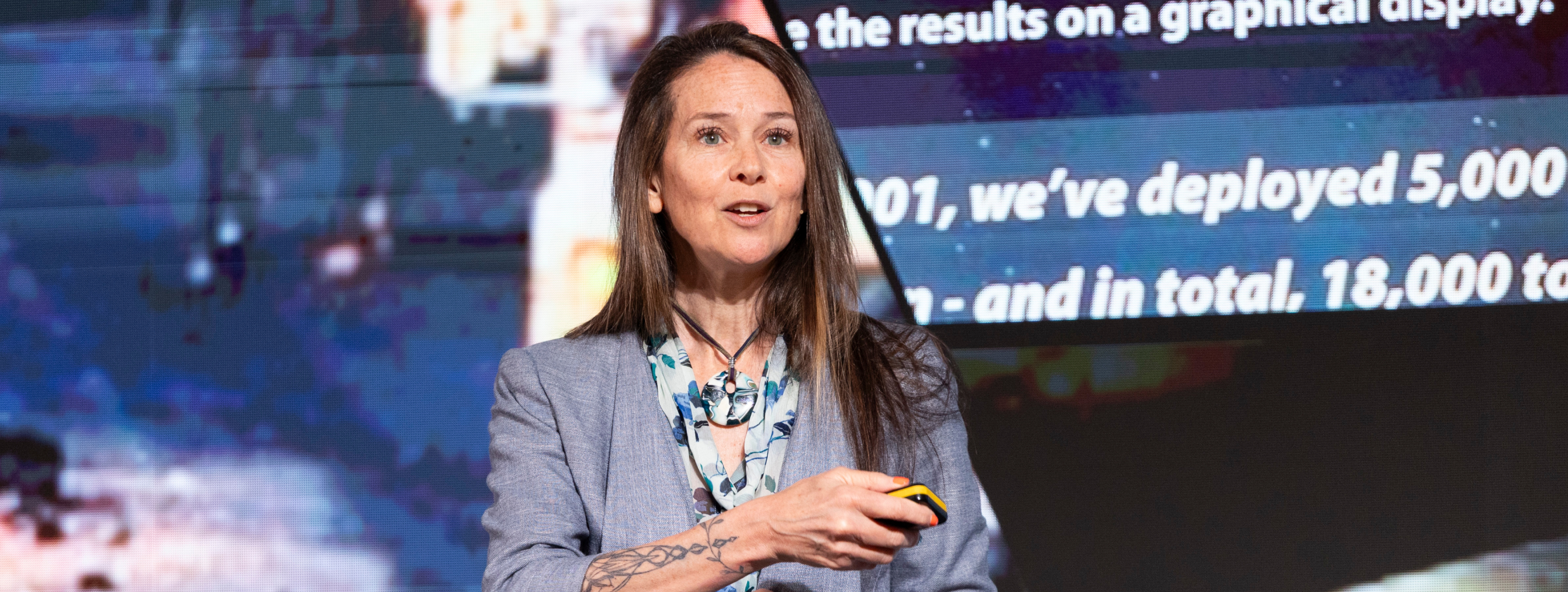
Introductory remarks – Anne Applebaum:
The post-war international order, built on cooperation, multilateralism and shared norms, is giving way to a more fragmented and competitive geopolitical environment. The world is increasingly shaped by economic nationalism, strategic rivalry and ‘predator nations’ that view international relations as a zero-sum contest rather than a framework for mutual benefit. In this environment, alliances, trade relationships and international institutions are becoming less predictable, while geopolitical competition is increasingly influencing economic and business outcomes.
These shifts are likely to be enduring rather than temporary, requiring governments and businesses to adapt to a more uncertain and contested global landscape. While there are risks associated with fragmentation, countries committed to stability, the rule of law and international cooperation have an opportunity to strengthen partnerships and create alternative centres of political and economic resilience.

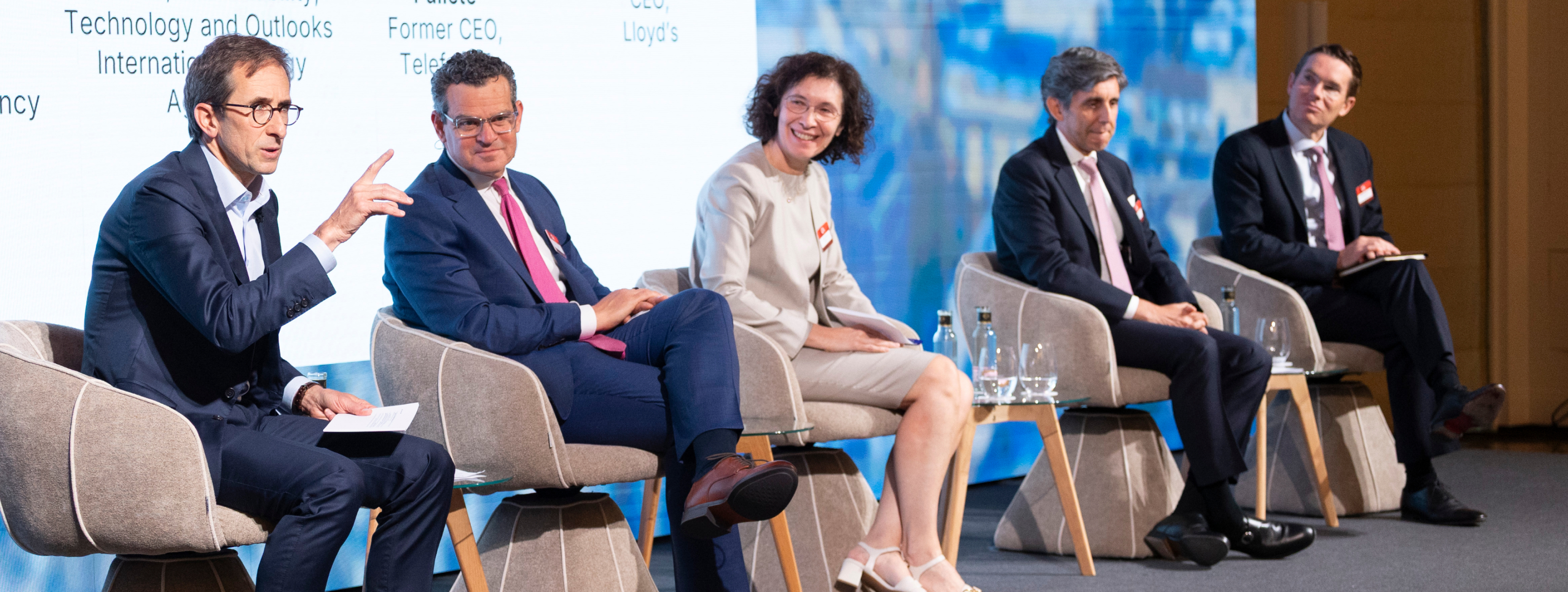
Chair: Lard Friese, CEO & Chairman of the Executive Committee, Aegon
Panellists: Oliver Bäte, Chairman of the Board of Management, Allianz; Anne Applebaum, Historian, Journalist and winner of the 2004 Pulitzer Prize for General Nonfiction; Michel Khalaf, President & CEO, MetLife; Anil Wadhwani, CEO, Prudential plc
Panel discussion:
Geopolitical fragmentation is reshaping the operating environment for insurers and investors. Geopolitical risk can no longer be treated as a peripheral issue, as shifts in alliances, regulation, trade relationships and technology ecosystems increasingly influence capital allocation, investment decisions and long-term business strategy. While fragmentation creates additional uncertainty, it is a challenge to be managed rather than a threat to the viability of global insurance groups.
How can insurers assess market attractiveness and long-term growth opportunities in an increasingly complex environment? Institutional quality, regulatory predictability, demographic trends and economic fundamentals are key considerations, particularly in emerging markets. Asia, and China in particular, are important long-term growth markets despite geopolitical tensions and periodic shifts in investor sentiment.
Financial markets may be underestimating longer-term geopolitical and systemic risks. Geopolitical conflicts, rising public debt, technological concentration and social pressures are sources of vulnerability that may not be fully reflected in current market valuations. Resilience will depend on strong balance sheets, disciplined risk management, operational adaptability and the ability to navigate a world in which disruption and uncertainty are becoming permanent features of the business environment.