The Geneva Association
  • About us
    • Who We Are
    • Team
    • Board
    • History
    • Careers
    • Contact
  • Research topics
    • Macro & Geoeconomic Shifts
    • Climate Change & Environment
    • Population Health Trends
    • Demographic Transition
    • Digital & AI Transformation
    • Financial Inclusion
    • Public Policy & Regulation
    • Cyber
    • Evolving Liability
  • Publications
    • Research reports
    • The Geneva Papers
    • Articles
    • Annual reports
  • Events
    • Upcoming events
    • Summaries & Recordings
  • Awards
    • Women in Insurance Award
    • Ernst Meyer Prize
  • News & Media
Search
Subscribe
My Account Logout Subscribe
LinkedIn YouTube Instagram
Popular searches
Gen AI
Reports
Events
Financial Inclusion Conference
Women in Insurance Award
Geneva Papers
Webinar

Breadcrumb

  1. Home
  2. Events
  3. 53rd General Assembly, Madrid | Summary

53rd General Assembly, Madrid | Summary

Event summary | Jun 04, 2025 - Jun 05, 2025
  • Twitter
  • Linkedin
  • Email
  • Facebook

Hosted by Mapfre, BBVA Seguros, VidaCaixa 

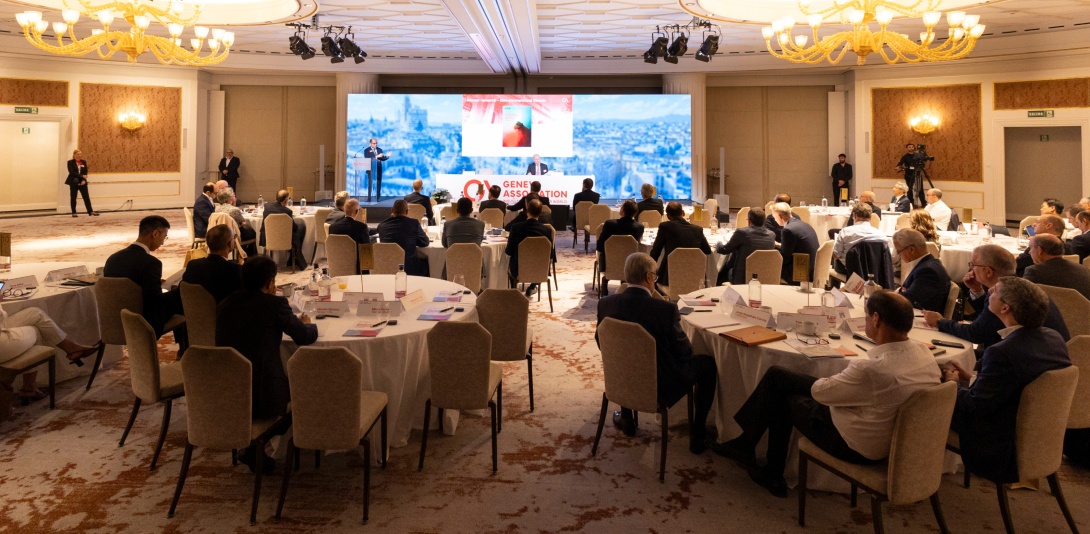
The Geneva Association’s 2026 General Assembly in Madrid, hosted by Mapfre, BBVA Seguros and VidaCaixa, brought more than 60 Geneva Association members together to examine the forces reshaping the global risk landscape. Across keynote speeches, panel discussions and member dialogues, participants explored the implications of geopolitical fragmentation, artificial intelligencw and cyber risk, climate risk, demographic change, and financial inclusion for the insurance industry. A recurring theme was the growing importance of resilience in an increasingly interconnected and uncertain world. Discussions highlighted the insurance industry’s evolving role in supporting prevention, preparedness and long-term resilience, while helping individuals, businesses and societies navigate emerging risks.

Opening remarks

Lee Yuan Siong, Group Chief Executive & President of AIA Group

Geopolitical tensions, climate change, demographic shifts and technological transformation are increasing uncertainty and reinforcing the importance of insurance in supporting societal resilience. As these trends become more interconnected and consequential, the Geneva Association has expanded partnerships across the industry and with key stakeholders and increased its presence in Asia. High-quality research remains central to this effort, but influence increasingly depends on shaping broader conversations around the issues that will define the future of insurance.


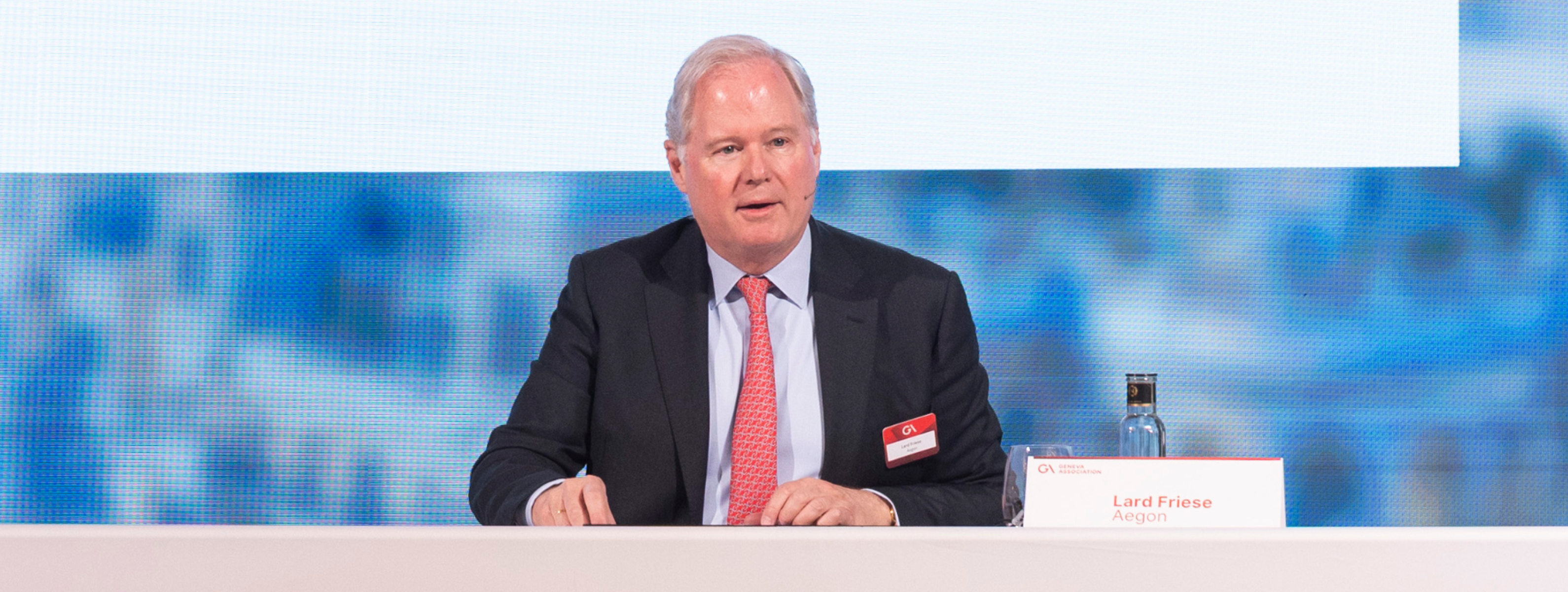
Lard Friese, Chair of the Geneva Association and CEO of Aegon

The Geneva Association has strengthened its global reach, expanded membership and increased its visibility in Asia, becoming a more internationally representative organisation. Its research continues to address the major forces shaping the insurance industry, including geopolitical developments, climate risk, demographic change, and the growing impact of artificial intelligence. As AI transforms business models and information flows, enhancing the accessibility and influence of the Association’s work will be increasingly important. Future priorities include strengthening engagement with external stakeholders and among members and a continued focus on helping the industry navigate complexity and support resilience in a rapidly changing world.


Update on the Geneva Association

Jad Ariss, Managing Director, Geneva Association

Over the past year, the Geneva Association advanced its research, convening and member engagement activities. Research examined:

  • The implications of generative AI for individual and business insurance customers;
  • The impact of healthcare innovation on insurance models;
  • The insurance industry's role in supporting sectoral decarbonisation;
  • Financial inclusion in emerging markets;
  • The contribution of insurers to cyber resilience; and
  • The effectiveness of public-private risk-sharing mechanisms.

Building on extensive consultation with members, the Association launched its 2026–2027 research agenda, creating dedicated workstreams on health and demography, integrating cyber within a broader research theme on digital and AI transformation, and embedding public policy considerations across all research areas. The Association also continued to incorporate AI into its own research and communications processes while emphasising the enduring importance of human expertise and engagement.

Member-company engagement expanded through global conferences, executive forums and virtual events, reflecting growing international participation and visibility. The Association strengthened its presence in Asia through conferences in Singapore and Beijing. Participation in the Association’s dedicated forums for chief investment officers, chief economists and strategy officers, and chief communications officers continues to grow. Member attendance to the annual General Assembly has increased significantly in recent years, underscoring the value members place on trusted dialogue and collaboration amid a rapidly changing geopolitical, economic, technological and societal environment.


Fireside chat: A Perspective on Financial Stability Risks

Luis de Guindos, Former Vice President, European Central Bank

Financial stability has continued despite heightened geopolitical uncertainty, fiscal pressures and technological disruption. While inflation in the euro area trended toward target levels earlier in the year, recent geopolitical tensions and energy shocks have sparked a resurgence, keeping price pressures elevated. Financial markets have remained resilient despite ongoing uncertainties. However, financial stability risks persist, particularly from developments in the Middle East, elevated sovereign debt levels and the potential for markets to underestimate downside risks.

Fiscal sustainability is a key concern. Rising government borrowing requirements, linked in particular to defence spending and weaker growth prospects – compounded by interest rates remaining higher for longer to combat inflation – will place pressure on public finances and sovereign bond markets. Long-term interest rates and sovereign debt dynamics will remain important indicators of broader financial conditions and investment-market stability.

The insurance sector plays an important role as a source of long-term investment. Insurers are well-regulated institutions that contribute to economic and financial stability.


Keynote speech: Geopolitical Situation in the Middle East – What is at stake? What is the outlook?

Emile Hokayem, Director, Regional Security & Senior Fellow, Middle East Security, International Institute for Strategic Studies

The ongoing conflict in the Middle East is one of the most consequential geopolitical crises in decades, with significant strategic and economic implications. The conflict is the result of long-standing regional tensions, failed diplomacy and competing security objectives, and the effects extend well beyond the region, impacting energy markets, supply chains, food security and global economic stability. While military operations have demonstrated significant tactical capabilities, all parties face constraints; a decisive resolution is unlikely.

The global economy is particularly vulnerable to disruption in the Strait of Hormuz. Uncertainty surrounding energy exports, shipping routes and critical infrastructure will continue to affect global markets, even if temporary ceasefires or limited agreements are reached. The most likely outcome is a prolonged period of intermittent escalation, negotiation and instability rather than a comprehensive political settlement.

There are significant implications for businesses and investors. Companies are increasingly required to treat geopolitical risk as an active operational consideration rather than a remote contingency. There is greater emphasis on supply-chain resilience, infrastructure protection, and energy security. While the Gulf region remains investable, the assumption that it is insulated from regional conflict has been fundamentally challenged. This has created a more uncertain risk environment that is expected to persist for years.


Fireside chat

Charles Michel, Former President, European Council

Europe is entering a new strategic era shaped by geopolitical fragmentation, intensifying competition between major powers and the weakening of traditional multilateral institutions. In our more multipolar world, Europe must strengthen its economic competitiveness, security capabilities and strategic autonomy to remain influential. Key priorities include improving productivity, reducing regulatory complexity, mobilising private capital through deeper financial integration and developing greater defence and energy resilience.

Demographic change presents a parallel long-term challenge. Declining birth rates, ageing populations and labour-market pressures are increasing strain on pension systems and public finances. While migration will remain an important part of the policy response, sustained reforms to retirement systems and workforce participation are likely to play a central role in maintaining economic sustainability.

Europe’s future prosperity and influence will depend on its ability to take difficult decisions, reduce fragmentation and build stronger partnerships globally. A more pragmatic approach to trade, energy, climate policy and international cooperation will be required to navigate a world characterised by greater uncertainty, shifting alliances and intensifying strategic competition.


Geoeconomics 2026 – How can insurers navigate an increasingly fragmented global order?

Introductory remarks – Anne Applebaum

The post-war international order, built on cooperation, multilateralism and shared norms, is giving way to a more fragmented and competitive geopolitical environment. The world is increasingly shaped by economic nationalism, strategic rivalry and ‘predator nations’ that view international relations as a zero-sum contest rather than a framework for mutual benefit. In this environment, alliances, trade relationships and international institutions are becoming less predictable, while geopolitical competition is increasingly influencing economic and business outcomes.

These shifts are likely to be enduring rather than temporary, requiring governments and businesses to adapt to a more uncertain and contested global landscape. While there are risks associated with fragmentation, countries committed to stability, the rule of law and international cooperation have an opportunity to strengthen partnerships and create alternative centres of political and economic resilience. 
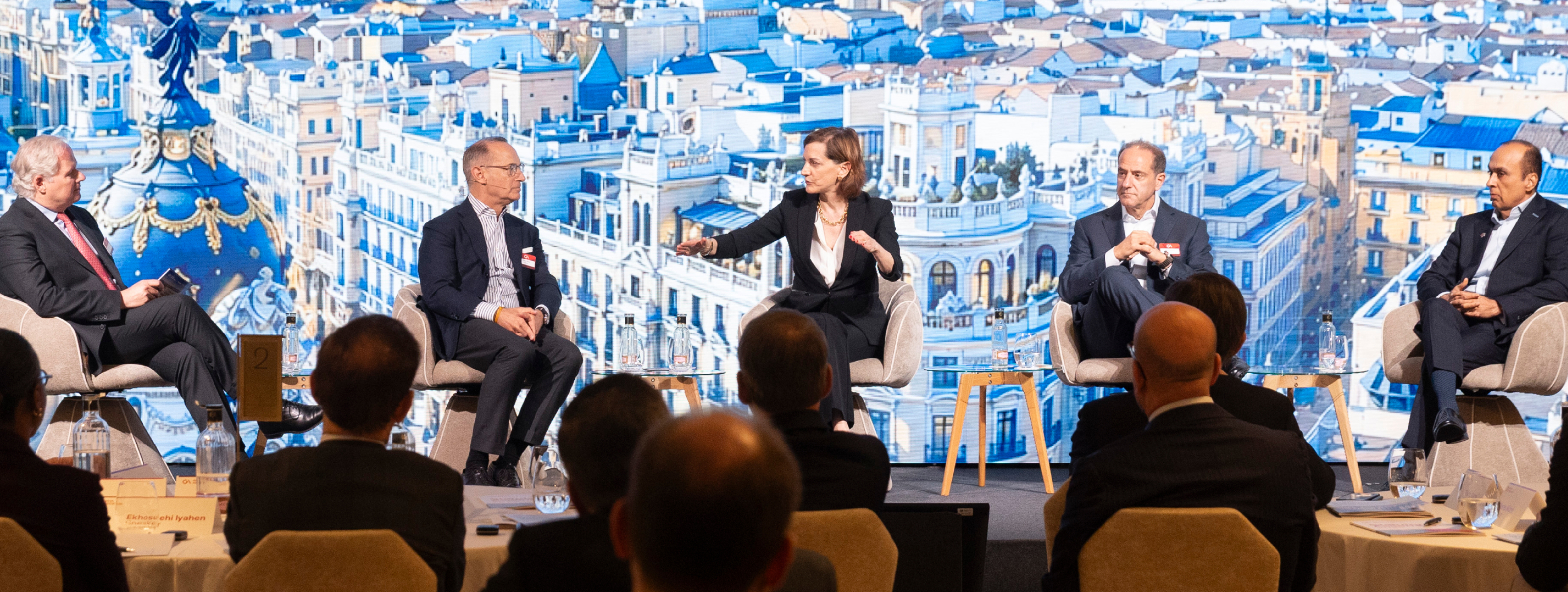
 

Panel

Chair: Lard Friese, CEO & Chairman of the Executive Committee, Aegon

Panellists: Oliver Bäte, Chairman of the Board of Management, Allianz; Anne Applebaum, Historian, Journalist and winner of the 2004 Pulitzer Prize for General Nonfiction; Michel Khalaf, President & CEO, MetLife; Anil Wadhwani, CEO, Prudential plc

Geopolitical fragmentation is reshaping the operating environment for insurers and investors. Geopolitical risk can no longer be treated as a peripheral issue, as shifts in alliances, regulation, trade relationships and technology ecosystems increasingly influence capital allocation, investment decisions and long-term business strategy. While fragmentation creates additional uncertainty, it is a challenge to be managed rather than a threat to the viability of global insurance groups.

How can insurers assess market attractiveness and long-term growth opportunities in an increasingly complex environment? Institutional quality, regulatory predictability, demographic trends and economic fundamentals are key considerations, particularly in emerging markets. Asia, and China in particular, are important long-term growth markets despite geopolitical tensions and periodic shifts in investor sentiment.

Financial markets may be underestimating longer-term geopolitical and systemic risks. Geopolitical conflicts, rising public debt, technological concentration and social pressures are sources of vulnerability that may not be fully reflected in current market valuations. Resilience will depend on strong balance sheets, disciplined risk management, operational adaptability and the ability to navigate a world in which disruption and uncertainty are becoming permanent features of the business environment.
 

Keynote speech: Navigating Uncertainty – Policy decision-making in a more volatile world

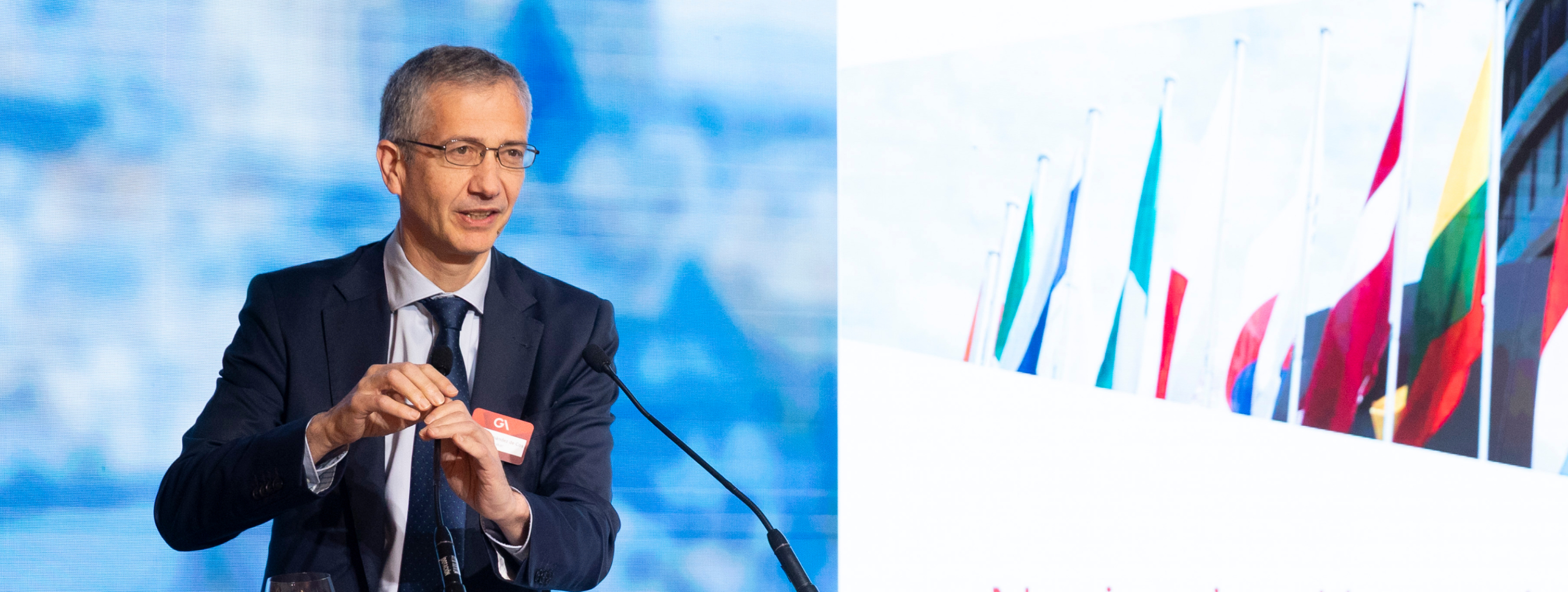
Pablo Hernández de Cos, General Manager, Bank for International Settlements 

Central banks operate in an increasingly uncertain environment shaped by geopolitical tensions, technological disruption and rising public debt. While existing monetary policy frameworks have successfully reduced post-pandemic inflation, policymakers now face a more complex landscape in which economic shocks affect inflation, growth and financial conditions in less predictable ways. Price stability, central bank independence and accountability remain the foundations of effective monetary policy.

Geopolitical conflict, advances in artificial intelligence and growing sovereign debt burdens are reshaping the economic outlook and increasing uncertainty around both inflation and long-term interest rates. These developments affect supply, demand, investment and labour markets in ways that are often difficult to anticipate, making policy calibration increasingly challenging.

In response, central banks are placing greater emphasis on risk management, scenario analysis and policy flexibility. Rather than relying on a single economic forecast, policymakers increasingly assess a range of potential outcomes and adapt decisions as conditions evolve. Effective monetary policy therefore depends not only on economic forecasts, but also on the ability to navigate persistent uncertainty and rapidly changing risks. 


Panel: Closing the Demography Gap

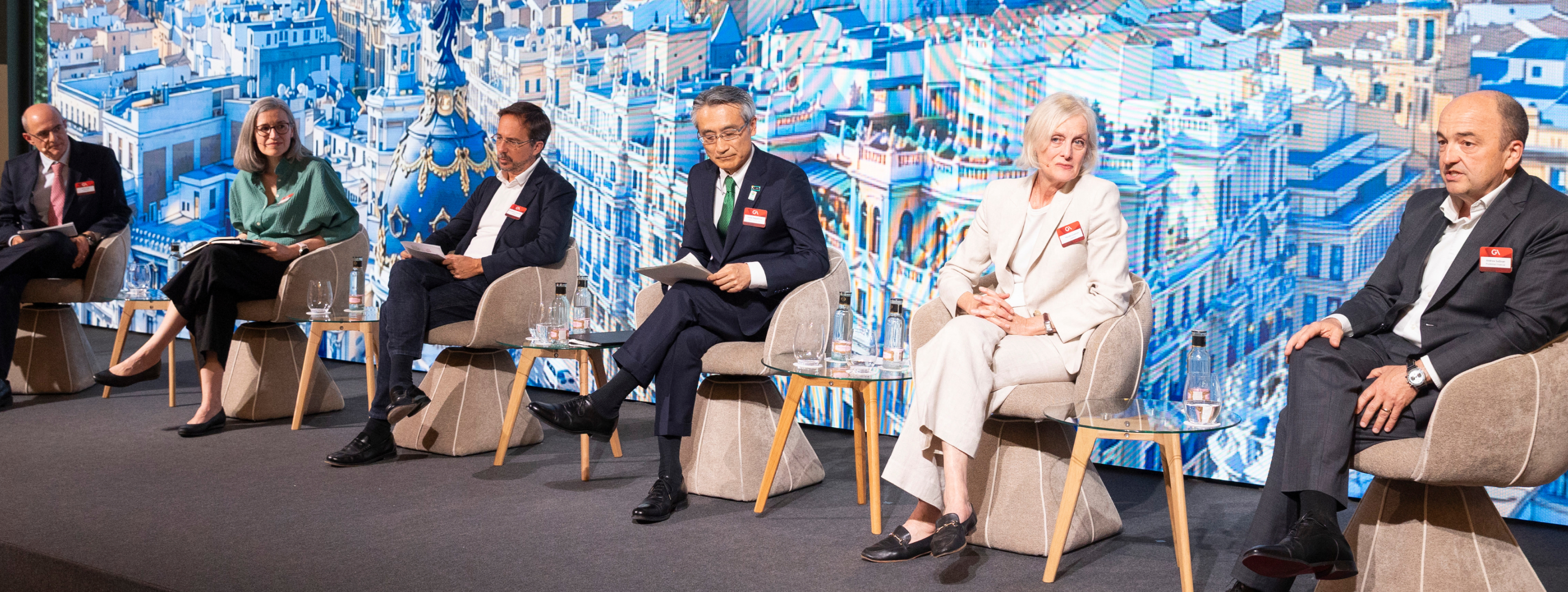
Chair: Javier Valle, CEO, VidaCaixa

Panellists: Adelina Comas-Herrera, Director, Global Observatory of Long-Term Care, London School of Economics and Political Science; José Ignacio Conde-Ruiz, Professor, Universidad Complutense de Madrid and Deputy Director, Foundation for Applied Economic Studies; Hideki Nagashima, President & CEO, Meiji Yasuda Life; Monika Queisser, Head of Social Policy Division, OECD; Andrew Sullivan, Chairman & CEO, Prudential Financial

There is a growing ‘demography gap’ between increasing longevity and society’s preparedness to support longer lives. Declining fertility rates and rising life expectancy are reshaping labour markets, pension systems, healthcare provision and public finances across both developed and emerging economies. While population ageing is often framed as a fiscal challenge, it should also be viewed as an opportunity to rethink work, retirement, health and social protection systems. Ageing is not solely a pension issue but a broader economic and societal challenge requiring coordinated action across governments, employers, healthcare providers and insurers.

Pension and labour market policies need to adapt to demographic realities. Policymakers are increasingly focused on extending working lives, increasing labour force participation among underrepresented groups and encouraging greater retirement savings through occupational and private pension systems. Traditional pay-as-you-go pension models face mounting pressure, particularly in Southern Europe, and reforms are needed that combine greater flexibility in retirement, automatic enrolment into savings schemes and stronger links between retirement ages and life expectancy. At the same time, successful reform depends on maintaining public trust and addressing inequalities in health, life expectancy and employment opportunities.

There are opportunities to reduce the incidence and severity of age-related conditions through healthier lifestyles, earlier intervention, better healthcare system design and stronger social connections. The insurance sector is an important partner in addressing longevity and care risks through lifetime income products, long-term care solutions, health-promotion initiatives and public-private partnerships. Improving resilience to demographic change will require earlier investment, stronger prevention strategies and a more integrated approach to pensions, health and long-term care.


Keynote speech: Securing Critical Infrastructure in the Age of AI

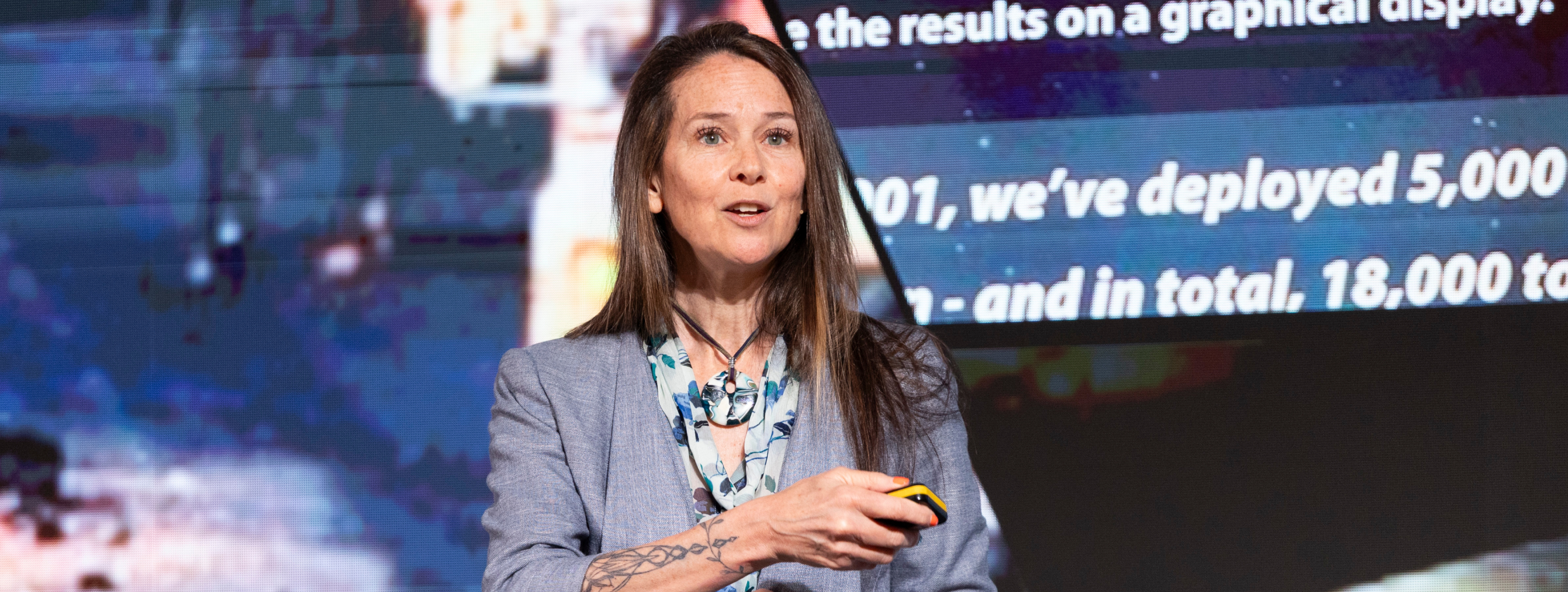
Jen Easterly, Former Director of the US Cybersecurity and Infrastructure Security Agency

Cyber risk is increasing in scale, frequency, and complexity, making it a strategic business risk, a governance issue, and a growing systemic threat. The expansion of digital connectivity, combined with advances in AI, is accelerating both the opportunities and risks associated with cybersecurity.

AI is a transformative technology capable of improving cyber defence through faster threat detection, vulnerability identification, automated response capabilities, and more secure software development. However, the same technology can also enable more sophisticated cyberattacks, fraud, disinformation, and other malicious activities. As a result, organisations must balance innovation with security and resilience.

Many cyber incidents originate from a software-quality problem rather than solely a cybersecurity problem. For decades, software development has prioritised speed, functionality, and cost over security, resulting in vulnerabilities that are routinely exploited by cybercriminals and nation-state actors. Reducing cyber risk requires greater accountability from technology vendors, stronger regulatory frameworks, and a shift toward building technology that is secure by design from the outset.

The insurance industry is a critical driver of this transition. Through underwriting standards, risk assessments, claims data, and influence at the board level, insurers can encourage organisations and technology providers to adopt higher security standards. While cyber threats will continue to evolve, the combination of AI-enabled defence, improved software quality, and coordinated action across industry and government has the potential to significantly reduce cyber risk and create a more resilient digital ecosystem.


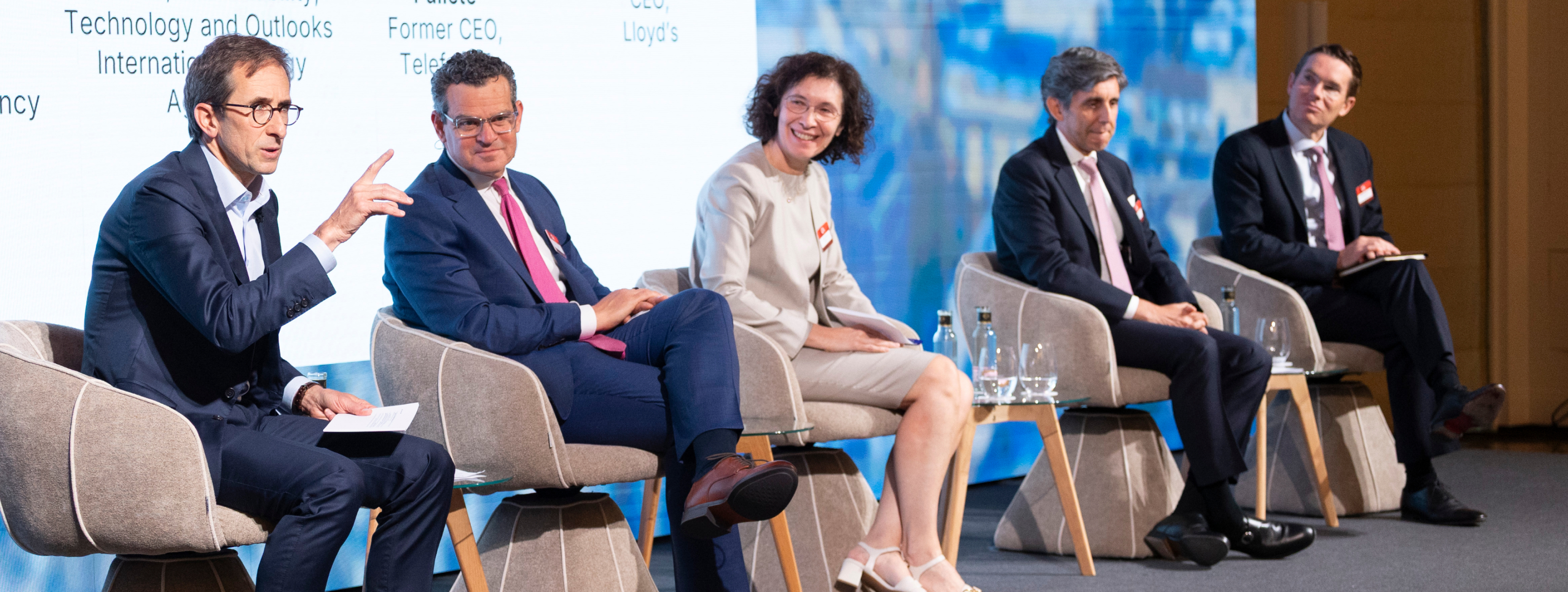
Panel: Interconnected and Vulnerable: Rethinking critical infrastructure resilience

Chair: Charles Brindamour, CEO, Intact Financial Corporation

Panellists: David S Cohen, Former Deputy Director, US Central Intelligence Agency; Laura Cozzi, Director, Sustainability, Technology and Outlooks, International Energy Agency; José María Álvarez-Pallete, Former CEO, Telefonica; Patrick Tiernan, CEO, Lloyd's

Critical infrastructure is becoming increasingly complex, interconnected, and exposed to a wide range of risks. Deeply integrated digital and physical systems mean that disruptions in sectors such as energy, telecommunications, transport, water, and financial services can have cascading consequences across economies and societies. At the same time, the threat landscape is evolving, driven by geopolitical tensions, cyber threats, climate-related events, supply-chain vulnerabilities, and rapid technological change. These risks are increasingly systemic in nature, with state and non-state actors exploiting growing digital interdependence and technological advances to target critical infrastructure and create widespread disruption.

Many infrastructure systems were not designed for today’s threat environment. Significant investment gaps remain, and resilience has historically received less attention than efficiency, growth, or transformation objectives. In the energy sector, concerns include supply-chain concentration, cyber vulnerabilities, and the increasing impact of extreme weather events. In telecommunications, the rapid growth of connected devices, data traffic, and AI-driven demand is expanding both the importance of networks and the complexity of securing them.

Resilience requires a more integrated and proactive approach from governments, infrastructure operators, insurers, and technology providers. Priorities should include greater information sharing, stronger governance, improved risk assessment, and the adoption of security- and resilience-by-design principles. The insurance industry is a key enabler of resilience through its risk expertise, capital, underwriting capabilities, and ability to influence decision-making. Strengthening infrastructure resilience will require earlier intervention, closer collaboration, and sustained investment to address emerging risks before they become systemic failures.


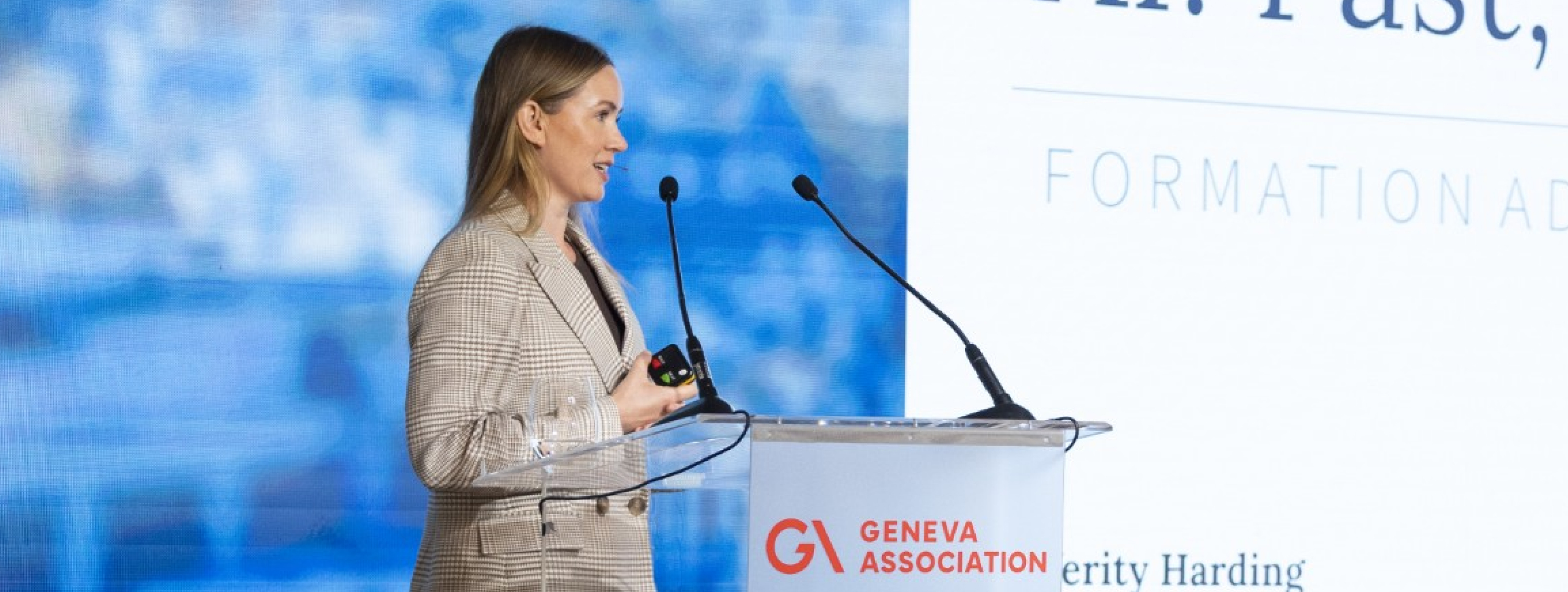
Keynote speech

Verity Harding, Director, AI & Geopolitics Project, University of Cambridge, and a TIME100 Most Influential Person in AI

Artificial intelligence is more than a technological innovation; it is a geopolitical, economic and cultural force whose development will be shaped as much by societal choices as by technical advances. While AI capabilities continue to evolve rapidly, the future of the technology remains uncertain.

Three defining tensions characterise the current landscape: 
1.    Strong enthusiasm from investors, technology leaders and policymakers alongside growing public scepticism; 
2.    Uncertainty over the long-term economic returns on AI investment; and 
3.    Increasing efforts by governments to pursue AI sovereignty despite the globally interconnected nature of AI talent, supply chains and infrastructure.

Transformative technologies do not determine outcomes on their own. Political decisions, regulation, public trust and social values play a critical role in shaping adoption and impact. Historical examples, including the space race, IVF and the development of the internet, demonstrate how leadership, governance and public engagement influence the direction and consequences of technological change. Balancing innovation with public concerns remains essential to maximising the benefits of AI while maintaining trust and legitimacy.

Business leaders have significant agency in shaping AI’s future. Understanding public sentiment, engaging with the political environment and taking an active role in guiding the technology will be critical to achieving outcomes that strengthen trust, resilience and societal value.


Panel: Financial Inclusion in a Riskier World

Chair: Antonio Huertas, Group Executive Chairman, Mapfre

Panellists: José Antonio Fernández de Pinto, Chairman of the Consorcio de Compensación de Seguros and Director General of Insurance and Pension Funds; Ekhosuehi Iyahen, Secretary General, Insurance Development Forum; Satoru Komiya, Chairman of the Board, Tokio Marine; Dyogo Oliveira, Chairman, Brazilian Insurance Confederation (CNseg)

Inclusive insurance is increasingly recognised as both a social and economic priority, with significant protection gaps persisting across developed and emerging markets. Inclusive insurance extends beyond microinsurance and encompasses a broad range of solutions designed to provide affordable, accessible and relevant protection to underserved populations, including low-income households, small businesses, farmers and vulnerable communities. Expanding insurance coverage is important to promoting financial resilience, economic stability and sustainable development.

Closing protection gaps requires more than expanding access to traditional insurance products. Challenges related to affordability, trust, financial literacy and product relevance remain significant barriers to adoption. Solutions should be designed around the specific needs of target populations, supported by innovation in areas such as parametric insurance, digital distribution and new risk-transfer mechanisms. Public-private partnerships are also critical enabler, and there are examples from Spain, Latin America, Africa and the Caribbean demonstrating how collaboration between governments, insurers and development institutions can improve disaster recovery, expand protection for vulnerable communities, and strengthen resilience.

Looking ahead, there is a need for greater collaboration, regulatory support and continued innovation to scale inclusive insurance sustainably. Technology, including AI and digital tools, has the potential to improve efficiency, reduce distribution costs and enhance customer engagement. However, long-term success will depend on building trust, integrating insurance more effectively into public policy, and placing greater emphasis on prevention and preparedness. 
 

Related Content

53rd General Assembly, Madrid | Summary

53rd General Assembly, Madrid | Summary

Jun 04, 2025
52nd General Assembly, New York City | Summary

52nd General Assembly, New York City | Summary

May 29, 2025
51st General Assembly, Kyoto | Summary

51st General Assembly, Kyoto | Summary

Jun 05, 2024
50th General Assembly, London | Summary

50th General Assembly, London | Summary

Jun 01, 2023
49th General Assembly, Venice | Summary

49th General Assembly, Venice | Summary

Jun 02, 2022
General Assembly 2021, Zurich | Summary

General Assembly 2021, Zurich | Summary

Nov 10, 2021

Related Content

53rd General Assembly, Madrid | Summary

53rd General Assembly, Madrid | Summary

Jun 04, 2025
52nd General Assembly, New York City | Summary

52nd General Assembly, New York City | Summary

May 29, 2025
51st General Assembly, Kyoto | Summary

51st General Assembly, Kyoto | Summary

Jun 05, 2024
50th General Assembly, London | Summary

50th General Assembly, London | Summary

Jun 01, 2023
49th General Assembly, Venice | Summary

49th General Assembly, Venice | Summary

Jun 02, 2022
General Assembly 2021, Zurich | Summary

General Assembly 2021, Zurich | Summary

Nov 10, 2021
The Geneva Association

Subscribe to our updates

About us

Research topics

Publications

Events

Awards

News & Media

Contact us

Terms & Conditions

Follow us on social media

LinkedIn Instagram YouTube

© Geneva Association

Admin

INSURANCE FOR A BETTER WORLD