

Climate Change & Environment

The Geneva Association. 2024.
Climate Change: What does the future hold for health health and life insurance?
Author: Adrita Bhattacharya-Craven. February.
Adrita Bhattacharya-Craven, Director Health & Demography, The Geneva Association
Contributing authors:
Maryam Golnaraghi, Director Climate Change & Environment, The Geneva Association
Madeleine Thomson, Head of Impacts and Adaptation, Wellcome
Talia Caplan, Research Manager, Wellcome
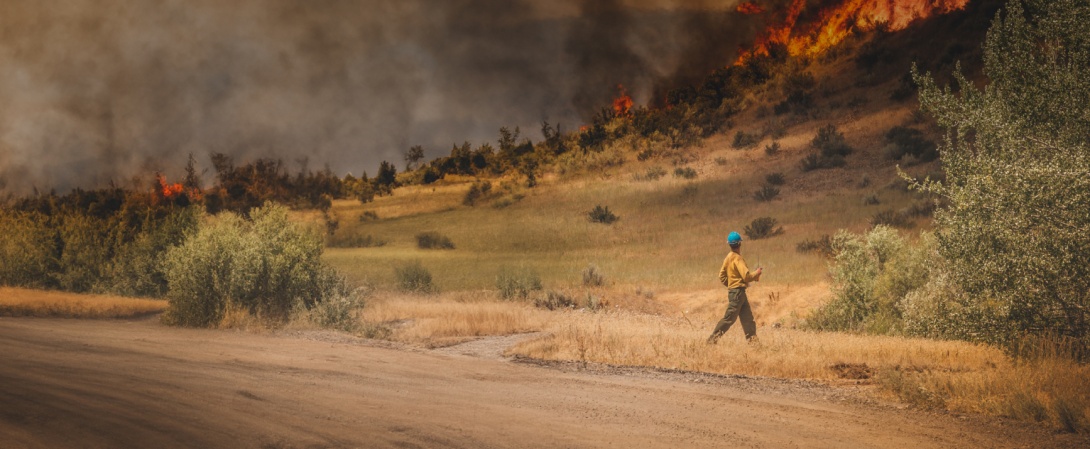
Evidence that climate change adversely impacts human health is mounting. 2023 was the warmest year on record, with human-induced global warming intensified by natural climatic patterns. Regions around the world experienced extreme heatwaves, and wildfires consumed over 120,000 km2 of Canadian forests, resulting in a record 290 megatons of carbon emissions. These wildfires led to the poorest air quality ever recorded in Washington D.C. and prompted multiple states to declare ‘code red’ and above air quality alerts. With over 40% of the global population living in climate-vulnerable locations, an unfettered escalation of current shocks and patterns may have significant ramifications not just for health, but also the social determinants of health.
In insurance, understanding of the risks related to climate change is mostly concentrated in property and casualty (P&C) business lines as well as investments. While the short-term consequences for health and life (H&L) insurers have so far been modest, this may change in the longer term as climate events become more frequent and severe.
Climate-related health risks can be broken down into four categories.
The impact of climate change on health can be calibrated upwards or downwards by the broader operating environment. As such, the resilience and preparedness of health systems play a pivotal role in tempering these risks by absorbing initial shocks before they spill over to the wider ecosystem. This largely hinges on three key domains:
TABLE 1: THE DIRECT AND INDIRECT INFLUENCES OF EXTREME WEATHER EVENTS AND GRADUAL CLIMATIC SHIFTS ON HUMAN HEALTH
| Climatic conditions | Type | Health outcomes | |||||||||||
| Cardiovascular diseases | Allergies | Diarrheal diseases | Malnutrition | Vector-borne diseases | Respiratory diseases | Cancer | Injuries & displacement | Heat-related illnesses | Other chronic illnesses | Degenerative diseases | Antimicrobial resistance | ||
| Extreme events (acute) | Heat extremes | x | x |
| x | x | x | x |
| x |
| x |
|
| Wildfires | x | x |
| x | x | x | x | x | x |
| x |
| |
| Flooding |
| x | x | x | x | x |
| x |
|
|
| x | |
| Severe weather | x |
| x |
|
|
|
| x | x |
|
|
| |
| Slowchanging events (chronic) | Droughts |
|
| x | x | x |
|
|
| x | x |
|
|
| Rising temperatures | x | x | x |
| x |
| x | x | x | x | x | x | |
| Sea level rise |
|
| x | x | x |
|
| x |
|
|
|
| |
| Water availability & quality |
|
| x | x | x |
| x |
|
| x |
|
| |
| Ecological changes |
| x | x |
| x | x |
| x | x |
|
| x | |
| Environmental degradation |
| x |
| x | x | x | x | x |
|
|
| x | |
| Air pollution | x | x |
|
| x | x | x |
|
| x | x | x | |
| Food supply | x |
| x | x |
|
| x | x |
|
| x |
| |
Source: The Geneva Association
Globally, health systems are likely to face an additional burden of USD 1.1 trillion due to climate change, with floods, droughts, heatwaves and infectious diseases identified as the leading causes.1 Using the UHC index – which assesses the current coverage and accessibility of healthcare services on a global scale – as a proxy reveals a stark divide between wealthier regions and nations (Europe, Australia, Canada, Japan, Singapore and South Korea) and the rest of the world. It is therefore reasonable to infer that in settings where health systems lack the capacity to address routine healthcare demands and have significant health protection gaps, the likelihood of elevated climate-related health risks is notably heightened.2
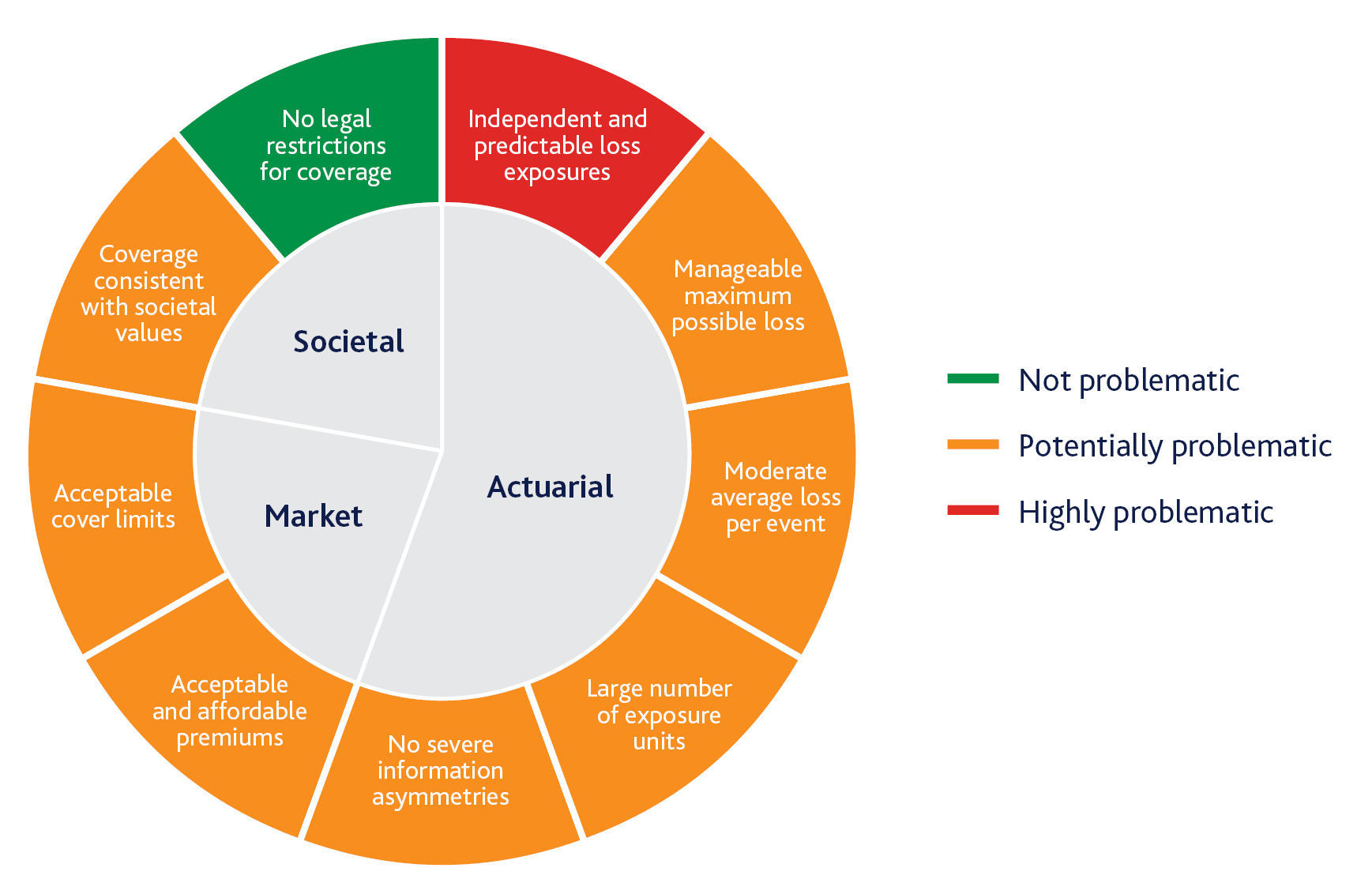
Interviews with 41 key informants spanning 17 global H&L insurance companies as well as experts on how they experience and view the impact of climate change on health, both now and in the future, shed light on the insurability of climate-related health risks. The insights were evaluated taking into account a widely used insurability framework (Figure 1).
Most interviewees do not perceive climate change as exerting any immediate impact on the liabilities associated with H&L insurance products, nor do they anticipate short-term consequences for their insurability and affordability. But there is consensus that this might change due to the increasing scale, intensity and frequency of climate events, particularly with global temperatures likely to surpass the 1.5°C threshold by 2027.3
FIGURE 1: INSURABILITY FRAMEWORK
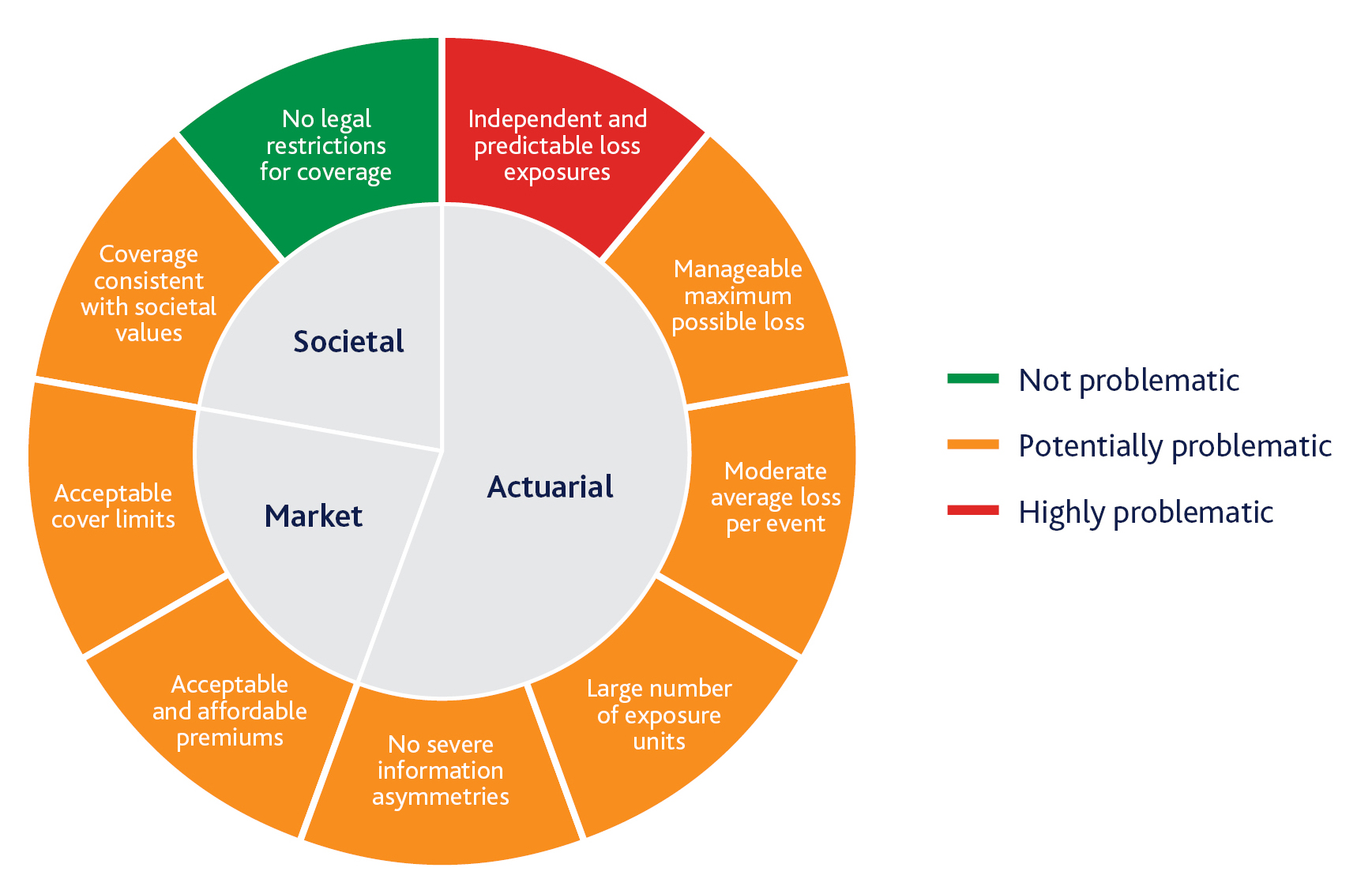
Source: The Geneva Association, based on Berliner4
The interviews also highlighted the risks of extreme events that can affect all population segments. Frequent concerns particularly extend to Southern Europe, notably Spain, and specific areas in the U.S. that are vulnerable to extreme events as well as regions situated close to the equator. Equally, chronic risks from prolonged exposure to adverse climate patterns (for example poor air quality due to wildfires) can affect the whole population. The emergence of new vector-borne diseases is also seen as a rising threat from environmental degradation and melting permafrost linked to climate change.
Actuarial considerations
Are loss exposures independent and predictable? This fundamental criterion of insurability is not met with climate-change-induced H&L risks based on the evidence emanating from population-level studies. However, some idiosyncrasies of the health insurance market may mitigate this challenge. For instance, insureds may be more affluent and have white-collar jobs and fewer existing comorbidities, making them less susceptible and more able to adapt.
Is the maximum possible loss manageable and the average loss per event moderate? Current evidence suggests that losses have been manageable to date, partly because of insurers’ diversified portfolios. But the outlook is highly uncertain. The absence of consolidated, granular and longitudinal data that can be used to map climate events and patterns against incidences of mortality or morbidity hinders the measurement of risks. As a basis for assessing the consequences of climate change for insurability, H&L insurers need to resolve the actuarial gaps in understanding by consolidating data and intelligence from P&C business lines, health providers, policymakers and climate scientists.
Is the number of exposure units large enough? While there are potentially many exposure units, their particular exposures may vary widely in their characteristics, making it hard to estimate loss. In other words, a large risk pool may not always buffer future losses if the units are not homogenous. Interviewees acknowledged the heterogeneity of exposure across different geographical regions, both within and across countries, as well as by health conditions (pre-existing morbidities). This makes it hard to identify any specific sources and quantity of loss within a risk pool.
Is there any severe informational asymmetry? The current body of information combining health and climate risks and insurance is limited. However, one reasonable extrapolation may be that an element of informational asymmetry (in favour of the insured) is likely to be present when diseases and care episodes are covered by more than one insurer, e.g. statutory versus supplementary or complementary voluntary health insurance, or within group plans. Considering the absence of data on informational asymmetry, discussions with interviewees largely focused on the need to improve the quality of prevailing ‘information’ about climate change and health, both on the demand and supply sides, to narrow information deficits.
Market considerations
So far, climate considerations have not played a prominent role in the design and pricing of H&L insurance products. The prevailing view is that evidence on climate-related liabilities for H&L insurers is limited and discussions on methodologies for assessing climate-related H&L risks are relatively nascent.5 Many interviewees emphasised the need to prioritise data-gathering tools to improve understanding of the risks first, before revisiting product design or pricing considerations for market readiness.
However, certain areas of development merit attention, most notably risk prevention and reduction. Many interviewees endorse the promotion of wellness programmes aimed at preventing chronic illnesses, which align with climate-friendly activities through incentives and rewards for making healthier choices. This approach also provides H&L insurers with opportunities to engage with customers through advisory systems.
Parametric insurance is another noteworthy innovation. Under this model, payouts are triggered when specific, measurable and predetermined criteria (e.g. extreme heat or pollution levels) are met. Such features may also be paired with additional risk prevention strategies, including enabling remote work during extreme heat or cold.
Societal considerations
The current level of knowledge does not lend itself to underwriting health risks specifically linked to climate change. In addition to methodological constraints in risk attribution, from a societal perspective such underwriting also inherently conflicts with the insurance industry’s sustainability and inclusivity goals. For instance, favouring those who are better able to adapt to extreme heat through air conditioning risks excluding those who may be most in need. There is overwhelming agreement among interviewees that prevention, for example impact underwriting that incentivises greener lifestyles and public education, is the preferred way to preserve insurability.
There is currently no evidence to definitively state that climate-related risks are influencing the existing array of H&L insurance products. However, this non-effect is highly likely to be due to the lack of consistent and complete data. Based on these observations, we put forward the following recommendations for H&L insurers:
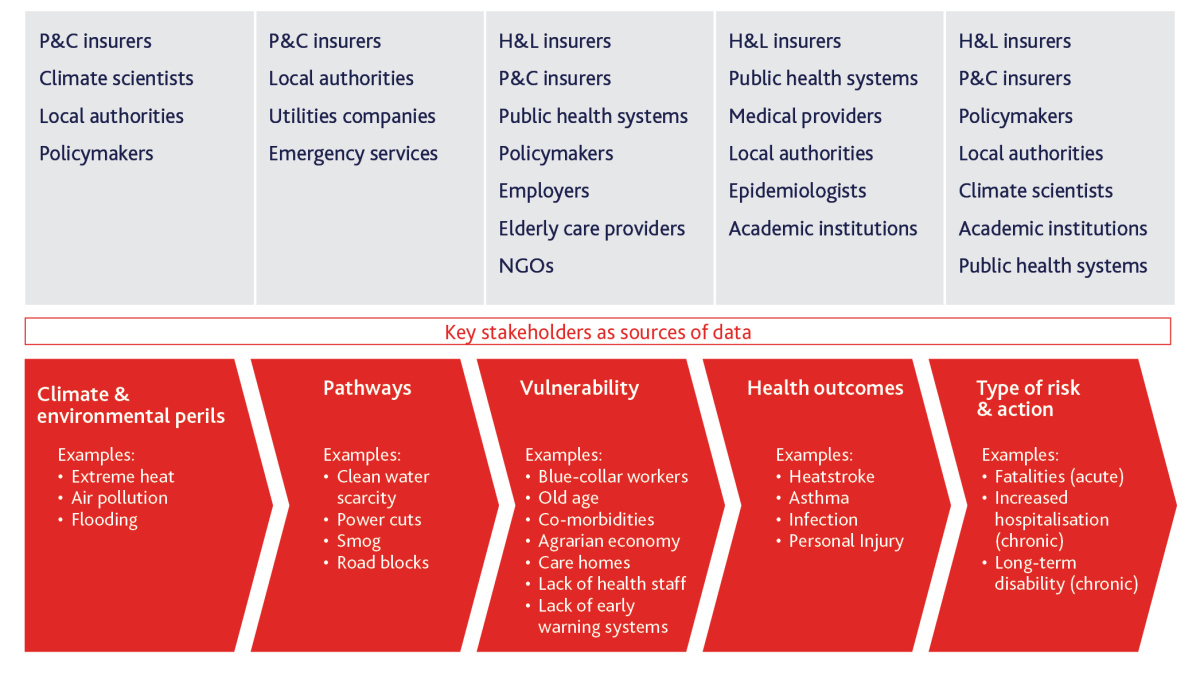
Assemble data prospectively: To improve understanding of future risks, H&L insurers need to assemble multi-sectoral data, which will require drawing from a wider set of stakeholders. This may include assessing not only the likelihood of heatwaves in a given region, but the number of elderly, frequency of power cuts and prevalence of existing morbidities to develop forward-looking climate and health scenarios.
Invest in innovation: Parametric insurance has garnered attention and holds valuable lessons for the future. But such initiatives would require H&L insurers to homogenise the risk and quantify its volume and frequency to decide whether shouldering the risk of a mass ‘trigger’ event is within their appetite, without making premiums unaffordable. Regulatory considerations would also be critical, considering the novelty of innovative approaches.
Play a bigger role in the policy environment: Insurers can play an important role in strengthening public understanding of the full spectrum of health risks related to climate events and implement simple and accessible messaging in their communications with customers. Understanding of climate-related health impacts within the insurance industry also needs to go well beyond Nat Cat.
Public-private collaborations can be stepped up to create an ecosystem of preventative strategies and related actions to implement them. Examples include building EWS and evacuation protocols, or strengthening clinical professionals’ training on climate-sensitive health diagnoses. Insurers can also make and incentivise greener investments in healthand care-related assets that would reduce health-related risks; these may include creating green spaces and roofs to reduce overheating of buildings.
Most people, if asked what climate change looks like, would conjure up a wildfire or a flood and the damage caused to homes and the environment. We have not yet, as a society, put a human face on the climate crisis and sufficiently prioritised the implications for our health.
But the same storms that destroy homes cause injuries and fatalities. Changing climate and weather patterns drive not only nature and biodiversity loss but also cause food insecurity and spread infectious diseases. Extreme high or low temperatures bring illness and threaten lives and livelihoods. These and other climate-related stresses greatly affect people’s mental health.
Although life and health insurers have not been significantly impacted by climate change to date, that will not remain the case as climate events become more frequent and severe. How should life and health insurers approach the evolving set of climate-related health risks? The research findings captured in this report offer a roadmap.
First, we need to fully understand the potential impacts of climate change on health. There are morbidity risks and mortality risks, and within each, threats can be categorised into four groups: acute, chronic, transition and litigation.
There are noticeable adverse effects for children and the elderly, who are more susceptible to illnesses. Other vulnerable groups, such as low-income segments of the population, also require special consideration. Low-income people are more exposed to extreme weather events, food and water shortages, and health hazards — challenges which are amplified by limited access to healthcare. It is therefore of paramount importance for any solutions, including those offered by insurers, to prioritise inclusion.
The report offers recommendations for insurers: to urgently close data gaps on climate-related health risks; to innovate, in particular with parametric products; and to prioritise prevention, such as through impact underwriting, which incentivises behaviours that reduce risks. With these measures, insurers can make a significant contribution to protecting public health in the face of climate change.
Jad Ariss
Managing Director
2023 was the warmest year on record. Between April and July, many parts of North America, Southern Europe and Asia experienced extreme heat. In Canada, wildfires consumed over 120,000 km2 of forests, resulting in a historic release of 290 megatons of carbon and ‘code red’ and above air quality alerts in several U.S. states.
In the insurance industry, understanding of the risks related to climate change is mostly concentrated in property and casualty (P&C) business lines as well as investments. While the short-term consequences for health and life (H&L) insurers have so far been modest, it may be erroneous to assume that it will remain that way in the longer-term considering the increasing frequency and severity of climate events and shifts underway. Quantifying H&L insurers’ climate-related risk exposure comes with many challenges. This report attempts to dissect the current landscape by reviewing emerging global evidence on epidemiological shifts induced by climate change and mapping it against the current experience and insights of H&L insurers. More specifically, the report:
The issue at hand is framed using evidence that links climate events — directly or indirectly to health impacts, ranging from premature deaths to dementia. Furthermore, global warming has started to disrupt natural ecosystems, leading to poorer crop yields and spreading of vector-borne diseases to regions that were previously unaffected. With over 40% of the global population living in climate-vulnerable locations, an unfettered escalation of current shocks and patterns may have significant ramifications not just for health, but also on the social determinants of health through social unrest, displacement and economic hardship. Consequently, health risk protection could be compromised, and the shocks felt by H&L insurers may grow in intensity.
The report classifies climate-related risks into four categories in relation to mortality and morbidity — acute, chronic, transitional and litigious — and provides an overview of the latest scientific evidence. It goes on to provide a comprehensive snapshot of how these risks manifest. Acute risks stem from the impacts of extreme heat, wildfires, floods and severe storms on mortality and morbidity. In 2022, extreme heat in Europe resulted in an additional 62,862 deaths, which were concentrated in Italy, Greece, Spain and Portugal Age emerged as a significant predictor of climate-related mortality, with notable increases in death rates observed among those aged over 80 this age bracket accounted for nearly four times as many deaths as the 65-79 bracket, and over seven times more than those aged 0-64 years.
Chronic risks encompass those emerging from prolonged exposure to adverse climate and environmental patterns. A seven-year study (2010-2017) in two large Indian cities concluded that long-term exposure to air pollution, which is partly a manifestation of climate change, substantially increased the incidence of type 2 diabetes.
Transition risks may result in good or poor outcomes. On the one hand, investment in clean energy may mitigate chronic risks as air quality is improved. On the other hand, the transition from coal to fossil gas, such as shale gas, may also lead to adverse health outcomes. For instance, abnormally low birth weights have been observed in communities located near fracking sites, where methane leaks occur. This suggests that trade-offs need to be thought through and managed carefully.
The desk research is complemented by practical insights gathered from 41 key informants spanning 17 global H&L insurance companies as well as experts on how they experience and view climate change and its impact on health, both now and in the future, through a widely used insurability framework based on actuarial, market and societal criteria. Most respondents do not perceive climate change as exerting any immediate impact on the liabilities associated with H&L insurance, nor do they anticipate short-term consequences for insurability and affordability. Nevertheless, there is consensus that this could change over the long term, although the level of impact may be tempered by multiple factors. These include geographic location, population profile, socio-economic status, policy preparedness and health system resilience. There is also consensus that the insured population may be better off when it comes to many of these variables compared with the general population. For instance, they may be more affluent, have white-collar jobs, fewer comorbidities and more able to adapt thanks to better infrastructure. So, while at the population level it can be argued that the losses are neither independent nor predictable (and would, therefore, defy insurability), the peculiarities of the health insurance market may help to overcome some of the challenges.
The absence of consolidated, granular and longitudinal data that can be used to map climate events and patterns against incidences of mortality or morbidity is perceived to be a major hurdle to measuring risks. There is strong consensus that, as a basis for assessing the consequences of climate change for insurability or product design, H&L insurers need to resolve the actuarial gaps in understanding by consolidating data and intelligence from P&C business lines, health providers, policymakers and climate scientists.
Similarly, the current level of knowledge does not lend itself to underwriting health risks specifically linked to climate change. In addition to methodological constraints in risk attribution, from a societal perspective such underwriting also inherently conflicts with the insurance industrys sustainability and inclusivity goals. For instance, favouring those who are better able to adapt to extreme heat through air conditioning risks, excluding those who may be most in need. There is overwhelming agreement among interviewees that prevention is the preferred way to preserve insurability; for example, impact underwriting that incentivises greener lifestyles, public education and coordination on early warning systems (EWS).
‘Problem areas’ for H&L insurers include attributing the health-related risks of climate change to insureds using population-level data. There is currently no evidence to definitively state that climate-related risks are influencing the existing array of H&L insurance products. However, this non-effect is highly likely to be due to the lack of consistent and complete data. Based on these observations, the report puts forward the following three recommendations for H&L insurers:
Assemble data prospectively: To improve understanding of future risks, H&L insurers must draw from a wider set of stakeholders to assemble multi-sectoral data to understand areas of vulnerabilities. This may include assessing not only the likelihood of heatwaves in a given region, but the number of elderly, frequency of power cuts and existing morbidities to develop forward-looking climate and health scenarios.
Invest in innovation: The innovative use of parametric insurance has garnered attention and holds valuable lessons for the future. But parametric initiatives would require H&L insurers to homogenise the risk and quantify its volume and frequency to decide whether shouldering the risk of a mass ‘trigger’ event is within their appetite, without making premiums unaffordable. Regulatory considerations would also be critical, considering the novelty of innovative approaches.
Play a bigger role in the policy environment: Insurers can play an important role in strengthening public understanding of the full spectrum of health risks related to climate events and implement simple and accessible messaging in their communications with customers. There is also a need to broaden understanding of climate-related health impacts within the insurance industry that goes well beyond Nat Cat and other climate-linked shock events.
Public-private collaborations can be stepped up to create an ecosystem of preventative strategies and related actions to implement them. Examples include teaming up to build EWS and evacuation protocols, or strengthening clinical professionals’ training on climate-sensitive health diagnoses. Insurers can also make and incentivise greener investments in health- and care-related assets that would reduce health-related risks; these may include creating green spaces and roofs to reduce overheating of buildings.
There is mounting evidence that climate change adversely impacts human health and that this impact is increasing. 2023 was the warmest year on record, with human-induced global warming intensified by natural climatic patterns such as the El Nifio warming phase of El Nifio-Southern Oscillation (ENSO).1 During July 2023, regions including the Southwestern U.S., Mexico, Southern Europe and China experienced extreme heatwaves, and the Southern U.S. issued heat alerts for 100 million people.2 By the end of July, wildfires had consumed over 120,000 km2 of Canadian forests, constituting the largest burned area in Canadian history and resulting in a historic release of 290 megatons of carbon emissions.3 These wildfires led to the poorest air quality ever recorded in Washington D.C. and prompted multiple states to declare ‘code red’ and above air quality alerts.4
In addition to direct fatalities from extreme heat and weather events, climate impacts are known to exacerbate a range of morbidities, from allergies to dementia.5 Furthermore, the gradual warming of the climate (the 10 hottest years on record have all occurred since 2010) is not only causing greater variability in weather but also having broader repercussions on natural ecosystems. This has led to reduced crop yields and the spread of vector-borne diseases to regions that were previously unaffected.6 All in all, it is estimated that 3.3-3.6 billion people live in climate-vulnerable locations worldwide.7 In addition to the ramifications for health itself, climate change risks also affect the social determinants of health through geopolitical frictions, social unrest, displacement and economic hardship, all of which are intensified in an increasingly inhospitable planet.
Estimates of future increases in mortality directly resulting from climate change vary widely, ranging from 250,000 to 3.4 million deaths per year.8 This underscores the difficulty of quantifying the impact of climate change on human lives. Despite this uncertainty, however, the toll is likely to be formidable, especially when direct impacts are considered alongside the broader implications of climate change on co-morbidities, including adverse effects on mental health.9
In 2009, The Lancet described climate change as ‘the biggest global health threat of the 21st century'.10 Since then, extensive research has provided evidence of the impact of climate change on both human and natural systems. These findings have been consolidated by the Intergovernmental Panel on Climate Change (IPCC), which provides the foundation for the global Conference of Parties’ (CoP) climate change negotiations under the United Nations Framework Convention on Climate Change (UNFCCC).
In 2023, global surface temperatures reached 1.32°C above the 1850-1900 average, making it the hottest 12 months in the past 120,000 years.11 Projections of global greenhouse gas (GHG) emissions by 2030, based on nationally determined contributions (NDCs) as of October 2021,12 will probably lead to temperatures that will breach the 1.5°C target of the Paris Agreement and will make it harder to limit warming below 2°C. A recent report by the World Meteorological Organization (WMO) confirms the assumption that global average temperatures will exceed — at least temporarily — the 1.5°C benchmark by 2027, leading to a potential worsening of extreme weather events.13
While increasing climate impacts have sharpened the focus on climate action within the scientific and policymaking communities, it has also given increased impetus for healthcare professionals to study its human toll. However, existing research is uneven across various health outcomes and geographic regions, and estimating future outcomes presents significant challenges owing to a few factors:14
While it is plausible that climate adaptation strategies (within limits) or, in some cases, climate patterns themselves may reduce mortality and morbidity in certain regions, some cohorts such as the elderly, young children, pregnant women and those who are socio-economically disadvantaged, are highly vulnerable. In a global study of all deaths related to climate change, the numbers were strikingly disparate, with 130, 75 and 92 deaths per million occurring in low, lower-middle- and upper-middle-income countries, respectively, compared to just 18 deaths in high-income nations.18 The lower mortality in high-income countries reflects, in part, the level of investments in early warning systems (EWS) and emergency preparedness, combined with relatively resilient health systems.19 While low- and middle-income countries have also implemented EWS, especially for tropical cyclones,20 in many cases the size of the exposed population coupled with high levels of poverty and weaker health systems have left them disproportionately exposed to adverse outcomes. Furthermore, the impacts of climate change on chronic diseases (elaborated in section 3) may mean that its true effects on the health prospects of today’s young and working-age populations may be much greater than current figures estimate This gives further impetus to expanding understanding and consolidating the emerging evidence rather than basing assumptions on historical patterns.
Now, more than ever, the science of climate change and its associated risks have become pivotal considerations for societal welfare and economic prosperity, as well as for the insurance industry, given that climate-related losses are increasing at an unprecedented rate. By the middle of 2023, insured losses from climate events amounted to USD 50 billion, compared to an annual average of USD 18 billion over the past decade.21 Until now, most focus on the effects of climate change, nature and biodiversity loss on the insurance industry has been directed towards property and casualty (P&C) business lines.22 While the short-term consequences for health and life (H&L) insurers have been modest so far, it may be erroneous to assume that this will continue in the longer-term for the reasons discussed above.23
This report is a timely opportunity to take stock of what is known and what remains unclear regarding the impact of climate change on health, viewed through the prism of risk and insurability. It does so by mapping existing knowledge on climate change and epidemiology industry experts’ experience and insights to identify problem areas that can be acted upon. The primary objectives of this report are as follows:
The report hereafter is divided into three further sections. Section 3 outlines a framework for defining climate-change-related risks in relation to mortality and morbidity, and provides an overview of the latest scientific findings on the health-related impacts of climate change. Section 4 summarises practical insights gathered from 41 key informants spanning 17 global H&L insurance companies and associated experts on how they view such risk and its consequences for insurability. Section 5 suggests areas for consideration for H&L insurers going forward.
Earth’s intricate climate system is complex and chaotic and can pose risks to human health. These risks manifest through the emergence of new diseases, both directly and indirectly, as well as the exacerbation of existing health burdens. Understanding the far-reaching impacts of climate change on health requires not only an examination of global warming, but also of its effects on the natural environment and the ecosystems that sustain human life.
Rising temperatures affect the behaviour, physiology and life cycles of insect vectors and pathogens as well as the behaviour of animal and human hosts. The ability of organisms to adapt to a warming climate can shift their responses to temperature and alter their tolerance limits. This, in turn, has significant implications for the geographic distribution of certain diseases. Vectors may cease to transmit certain pathogens, or they may become carriers of new ones as climate-induced changes bring vectors and disease reservoirs (long-term animal hosts of an infectious disease) into close proximity with human hosts. Any imbalance in this ecosystem can be further exacerbated by activities such as deforestation, which heightens the potential for conflicts over habitat, fostering the emergence and increased transmission of zoonotic diseases such as Zika, Avian flu, Ebola and Lyme disease.24
Climate change also leads to adverse health outcomes, some of which are immediate and others more long term. These encompass injuries and fatalities resulting from extreme weather events; infectious diseases (including air, water and vector borne); heat-related illnesses; respiratory conditions; chronic diseases; malnutrition stemming from climate-induced disruptions to food systems; mental health issues after extreme weather events; and anxiety related to the long-term consequences of unmitigated climate change.
The framework outlined in Table 1 offers a classification of acute and chronic climatic events and their possible health outcomes.
TABLE 1: THE DIRECT AND INDIRECT INFLUENCES OF EXTREME WEATHER EVENTS AND GRADUAL CLIMATIC SHIFTS ON HUMAN HEALTH25
| Climatic conditions | Type | Health outcomes | |||||||||||
| Cardiovascular diseases | Allergies | Diarrheal diseases | Malnutrition | Vector-borne diseases | Respiratory diseases | Cancer | Injuries & displacement | Heat-related illnesses | Other chronic illnesses | Degenerative diseases | Antimicrobial resistance | ||
| Extreme events (acute) | Heat extremes | x | x |
| x | x | x | x |
| x |
| x |
|
| Wildfires | x | x |
| x | x | x | x | x | x |
| x |
| |
| Flooding |
| x | x | x | x | x |
| x |
|
|
| x | |
| Severe weather | x |
| x |
|
|
|
| x | x |
|
|
| |
| Slowchanging events (chronic) | Droughts |
|
| x | x | x |
|
|
| x | x |
|
|
| Rising temperatures | x | x | x |
| x |
| x | x | x | x | x | x | |
| Sea level rise |
|
| x | x | x |
|
| x |
|
|
|
| |
| Water availability & quality |
|
| x | x | x |
| x |
|
| x |
|
| |
| Ecological changes |
| x | x |
| x | x |
| x | x |
|
| x | |
| Environmental degradation |
| x |
| x | x | x | x | x |
|
|
| x | |
| Air pollution | x | x |
|
| x | x | x |
|
| x | x | x | |
| Food supply | x |
| x | x |
|
| x | x |
|
| x |
| |
Source: The Geneva Association
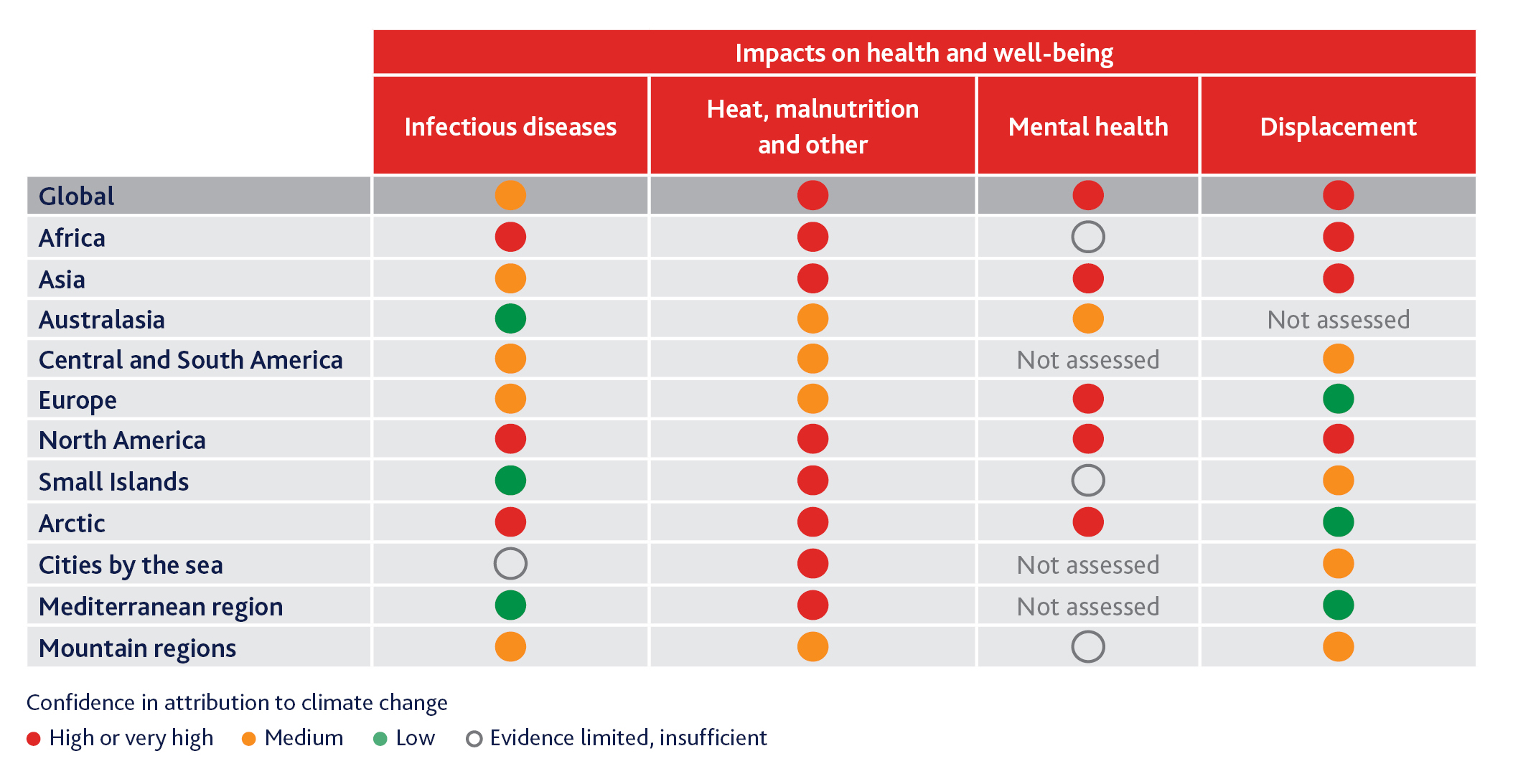
TABLE 2: OBSERVED IMPACT OF CLIMATE CHANGE ON HEALTH AND WELL-BEING BY REGION
Source: IPCC26
A dramatic rise in adverse health effects due to climate change is expected across all regions, as illustrated in Table 2. However, the worsening of heat-related perils and displacements in Asia and Africa and of health prospects across all categories in North America indicate that vulnerability transcends regional boundaries and levels of development, and the worse may be yet to come. While it is plausible that economically affluent groups will have better capacity to adapt, the poor, old and vulnerable population remain at risk in all regions.
This section navigates the complexities of the various risks posed to health by climate change. It subdivides these risks into four categories that may affect H&L insurance (and may even spill over to other lines of insurance), both now and in the long run:
It should be noted that litigation risks are elaborated on only briefly and are not a central consideration in this report.
2.2.1 Acute risks
Acute climate risks encompass the impact on both mortality and morbidity arising from changes in the severity and frequency of extreme weather events like floods, severe storms, wildfires and extreme heat due to climate change. Their toll on health often takes the form of trauma, injuries, infectious diseases (e.g. cholera spread through contaminated water) and exacerbation of existing conditions. Mortality and morbidity risks associated with these extreme events may be further increased by the destruction of healthcare facilities, disruption to healthcare professionals’ ability to work, damage to clean water and sanitation infrastructure, and restraints on mobility, all of which hinder access to timely diagnosis and care. Examples of health impacts that are acute in nature are presented in Box 1.
Box 1: The impacts of extreme weather on mortality and morbidity
Extreme heat
Exposure to extreme heat is linked to mortality and morbidity from a range of causes, including (but not limited to) non-accidental and injury-related deaths, heat strokes, adverse pregnancy outcomes, acute kidney injuries, disruptions to sleep patterns and mental health, as well as the exacerbation of pre-existing cardiovascular and respiratory conditions.27
Wildfires
Tropical cyclones and severe weather
Source: The Geneva Association
2.2.2 Chronic physical risks
These risks describe the mortality and morbidity impacts of slow-changing climatic trends. These include health risks caused by vector-borne diseases, scarcity of drinking water and air pollution, which is partially a manifestation of climate change. Box 2 provides illustrative examples of health-related impacts arising from these gradual climatic and environmental changes.
Box 2: Health-related impacts of sLow-changing climatic trends
Air pollution
Rising temperatures
Recurrent flooding
Source: The Geneva Association
2.2.3 Transition risks
Climate transition will bring a range of health benefits, including improved air quality; healthier, more plant-based dietary patterns (by reducing consumption of meat, which can be carbon and methane intensive); and increased physical activity (cycling over driving). But at the same time, depending on how the transition is managed, there could be environmental risks associated with the deployment of new climate technologies, potentially resulting in significant long-term health consequences.61 The implications of transition risks on mortality, morbidity and longevity may vary depending on the nature and speed of these changes. Therefore, balancing positive and negative externalities may require comprehensive adjustments to policy, legal frameworks and technology usage. Box 3 contains some examples of climate transitions, outlining the positive health outcomes as well as the health risks they may present.
Box 3: Health-related opportunities and risks of selected climate transitions
1. Fossil fuels to renewable energy
2. Coal and oil to fossil gas (natural gas)
3. Fossil fuels to nuclear energy
4. Clean transportation
Source: The Geneva Association
Some transitions have had an overwhelmingly positive outcome with few, if any, important health risks. The move from gas to electric cookers is one such example. Leaks from gas stoves have been linked to childhood asthma due to emissions of nitrogen oxides,79 as well as to cancer risk through pollutants including benzene,80 whereas electric stoves carry no such risk. Similarly, the growing trend away from processed meat and ultra-processed foods towards plant-based diets both reduces emissions81 and benefits health by reducing the risk of heart disease and other morbidities.82
However, some climate-positive transitions can have negative side effects for human health if not well managed. The pace of transition may also vary by socio-economic status, leaving less affluent countries more exposed; for example, much of the exploration and mining of vast quantities of critical materials required for manufacturing new systems for the energy transition may occur in poorly regulated countries or poor communities. For these reasons, consideration of health-related issues in all aspects of climate change mitigation and adaptation policies is essential. Yet recent evidence suggests that just 0.2% of bilateral and multilateral climate adaptation funding supports initiatives that are primarily health related.83
2.2.4 Litigation risks
The threat of increased morbidity and mortality to current and future generations as a result of anthropogenic climate change is becoming a catalyst for climate litigation in various courts around the world, with plaintiffs attempting to either compel action on climate mitigation or to prevent actions that exacerbate risks. Research indicates that in the U.S. alone, health-related considerations linked to anthropogenic climate change have played a pivotal role in 139 cases filed to date.84 Moreover, a comprehensive global review of publicly reported climate litigation cases from 1990-2020 confirms a noticeable upward trend in cases where health concerns were explicitly or implicitly utilised, particularly within high-income countries.85 From an insurance perspective, these risks noticeably affect general insurers, who are beginning to shoulder the financial burden of health-related risks.86 Box 4 presents examples of climate litigation cases with a major health angle.
Box 4: Climate litigation cases in which health-related issues are central or a major driver
KlimaSeniorinnen v. Switzerland.87 This ongoing case against the Swiss government deals with the effects of climate change on the elderly. The applicants, an association of senior women as well as four individual women over the age of 80, argue that increasing temperatures due to climate change result in severe health risks and increased mortality, especially for older women, including the applicants. In March 2023 it became the first ever climate case to be heard before the European Court of Human Rights. The decision is pending.
Anton Foley et al. v. Sweden.88 In a more recent case, a group of Swedish youths argues that climate change impacts in the period up to 2100 will have severe consequences, especially on human health. They expect to be particularly affected because, according to Sweden’s average lifespan, they can expect to be alive during this time. Specific impacts cited include longer and more intense heatwaves leading to mild and severe health effects; shorter and milder winters increasing the spread of tick-borne diseases; and changing precipitation patterns causing health problems related to flooding.
Herrera Carrion et al. v. Ministry of the Environment et al.89 Nine young women from Ecuador claimed that gas laring is unlawful as it leads to severe health impacts and damage to the environment, including contributing to global warming. Initially, the Court of First Instance dismissed the action due to insufficient evidence but, upon appeal, the Provincial Court of Justice of Sucumbios accepted the action. It declared that the Ecuadorian State had ignored the plaintiffs’ right to a healthy environment and health by promoting polluting activities and refusing cleaner, energyefficient technologies. The court ordered an updated plan for gradually eliminating gas flares, starting with those located near populated areas with the next 18 months, and setting a deadline to progressively remove remaining gas flares by December 2030.
Milieudefensie et al. v. Royal Dutch Shell plc.90 This landmark case discusses the serious global, national and regional health risks posed by climate change, as well as for the Netherlands and Europe specifically. The judgement of the District Court of the Hague accepted that Shell’s global CO2 emissions exceed those of many nations and entail great health and increased mortality risks. The court acknowledged some uncertainty about how climate change will manifest in the region but stressed that this does not invalidate ‘the prediction that climate change due to CO2 emissions will ead to serious and irreversible consequences’ for the plaintiffs.91
A report by the Asian Development Bank (ADB)92 catalogues a range of climate litigation cases on the grounds of health and the preservation of healthy environments from countries ranging from India to the Philippines. These cases underscore the increasing intensity with which climate change and associated adaptation or mitigation is being viewed through the prism of public health and is fast becoming a global phenomenon.
Source: The Geneva Association and Joana Setzer (London School of Economics)
It is clear that climate change has a significant impact on health, which can be further calibrated (upwards or downwards) by the broader operating environment.
The resilience and capacities of health systems play a pivotal role in tempering the health risks posed by climate change, with considerable variation among countries. A nation’s preparedness level significantly affects its ability to absorb initial shocks before they spill over to the wider ecosystem. The aftermath of any such shock, its impact and the scale of the affected population largely hinges on three key domains:
An analysis by the World Economic Forum (WEF) and Oliver Wyman estimates that, globally, health systems are likely to face an additional USD 111 trillion burden due to climate change, with the leading causes being floods, droughts, heatwaves and infectious diseases.93 In the context of healthcare infrastructure vulnerability, a recent study systematically investigated flooding risk of nearly 700 U.S. hospitals on the Atlantic and Gulf Coasts from Category 1-4 storms as climate change worsens and sea levels rise. The study concluded that even relatively weak hurricanes could flood most of the hospitals in urban coastal areas and that the sea level rise expected within this century due to climate change significantly increases flooding risk by 22%.94 Such are the complexities that compound the challenge of precisely delineating the health risks posed by climate change across settings.95
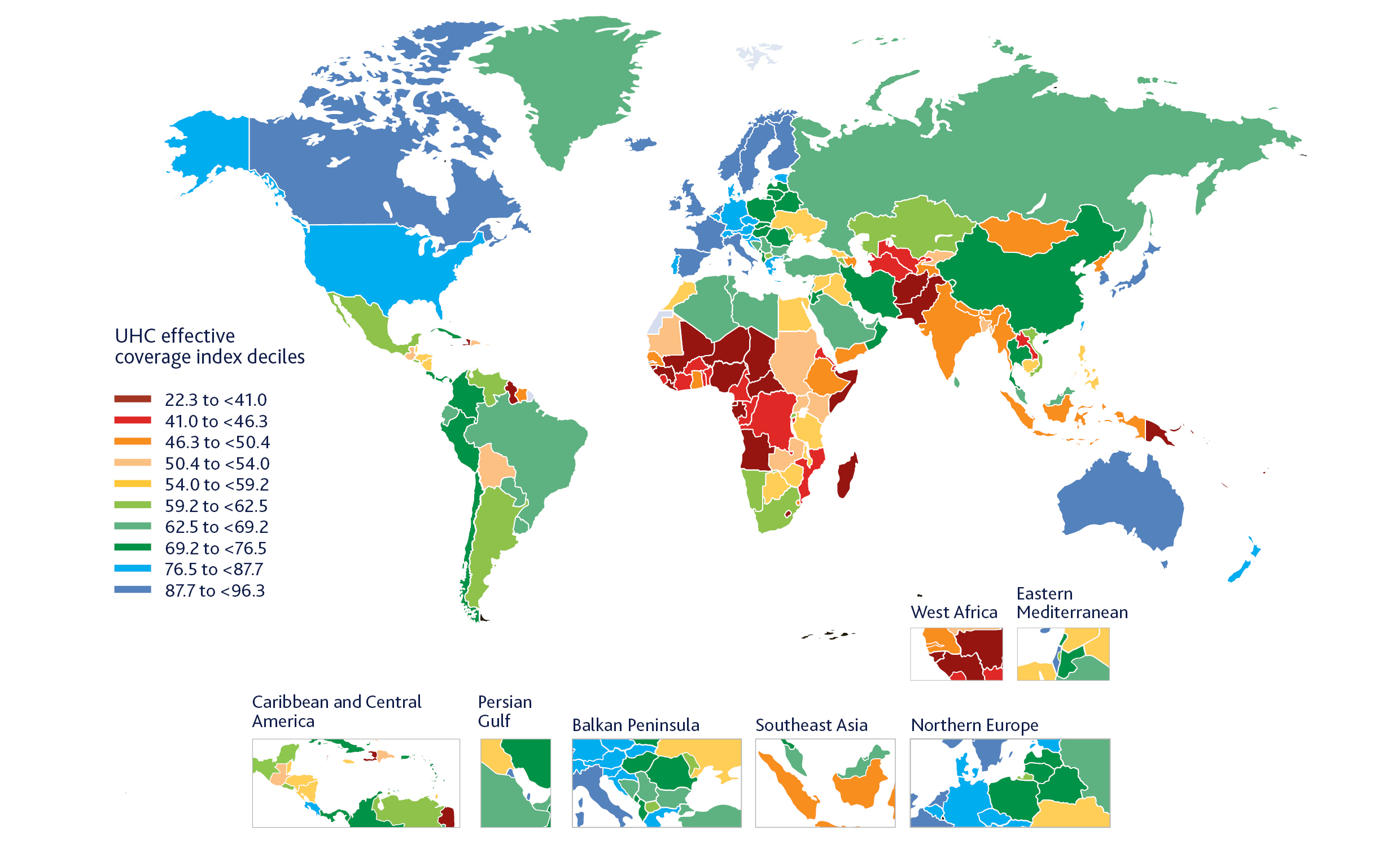
Although understanding of the resilience of healthcare systems in the face of climate-related shocks is still in its infancy, proxy data suggests that regions and countries with weaker health systems are less equipped to mitigate these shocks. A report by the Global Health Security (GHS) Index following the COVID-19 pandemic — an event that may be analogous to some climate-related shocks — identified significant vulnerabilities in health systems. Importantly, even in high-income countries where systems are perceived as more resilient, funding for emergency responses was found to be dangerously low.96 Likewise, the UHC index, which assesses the current coverage and accessibility of healthcare services on a global scale, underscores a stark divide between wealthier regions and nations (Europe, Australia, Canada, Japan, Singapore and South Korea) and the rest of the world, as depicted in Figure 1. Therefore, it can be reasonably inferred that in settings where health systems lack the capacity to address routine healthcare demands and have significant health protection gaps, the likelihood of elevated climate-related health risks is notably heightened. This does little to ease concerns regarding the accessibility of care during climate-related health emergencies or abilities to predict the shock that may spill over to H&L insurers.97
FIGURE 1: PROGRESS TOWARDS UNIVERSAL HEALTH COVERAGE
Source: Global Burden of Disease (GBD) UHC Collaborators98
Having explored the influence of climate change on broader epidemiological trends, this section focuses on the specific implications for H&L insurance. In particular, it addresses two high-level questions:
Unlike the population-level evidence presented in section 3, academic and grey literature addressing the impact of climate change on H&L insurance liabilities remains limited. To overcome this limitation, this section relies on a combination of available literature and data obtained from interviews with 41 key informants representing 17 global re/insurance companies, as well as affiliated experts in North America, Europe and Asia.
The interviews were conducted using an open-ended topic guide, allowing for a thorough exploration of issues and the identification of opportunities and challenges associated with H&L insurers. This topic guide explores four key areas:
Most interviewees do not perceive climate change as exerting any immediate impact on the liabilities associated with H&L insurance products, nor do they anticipate shortterm consequences for their insurability and affordability. Nevertheless, there is consensus that this situation might change over the long term. This expectation arises from the increasing scale, intensity and frequency of climate events, particularly with global temperatures likely to surpass the 1.5°C threshold by 2027.99
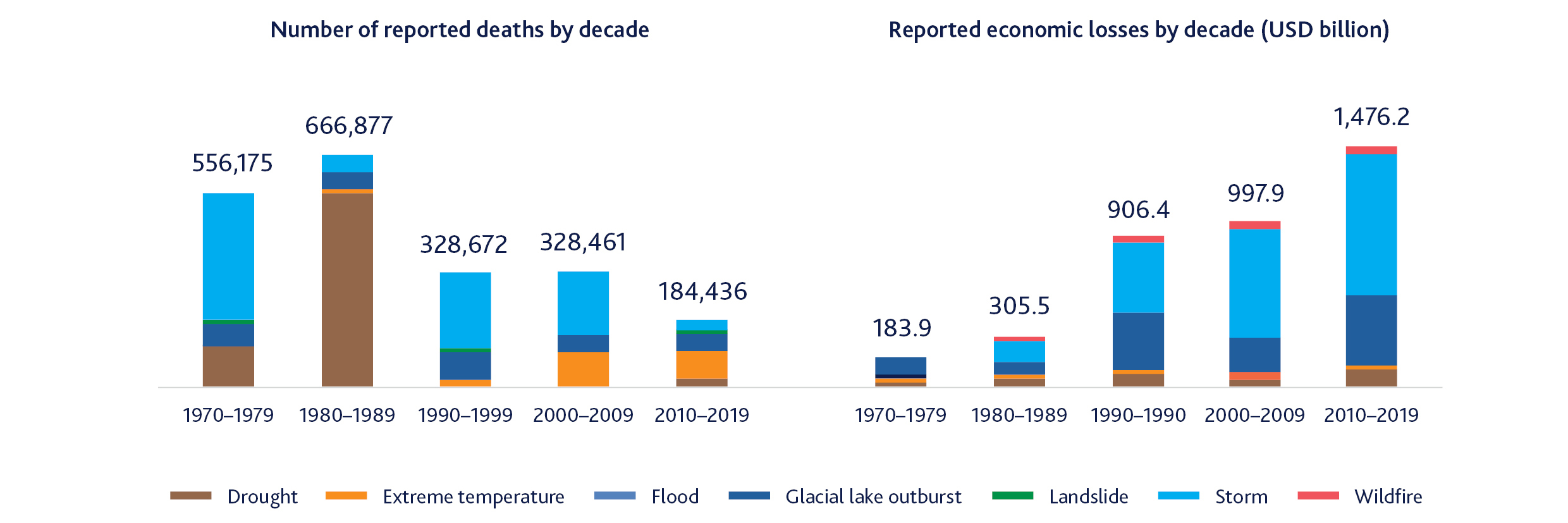
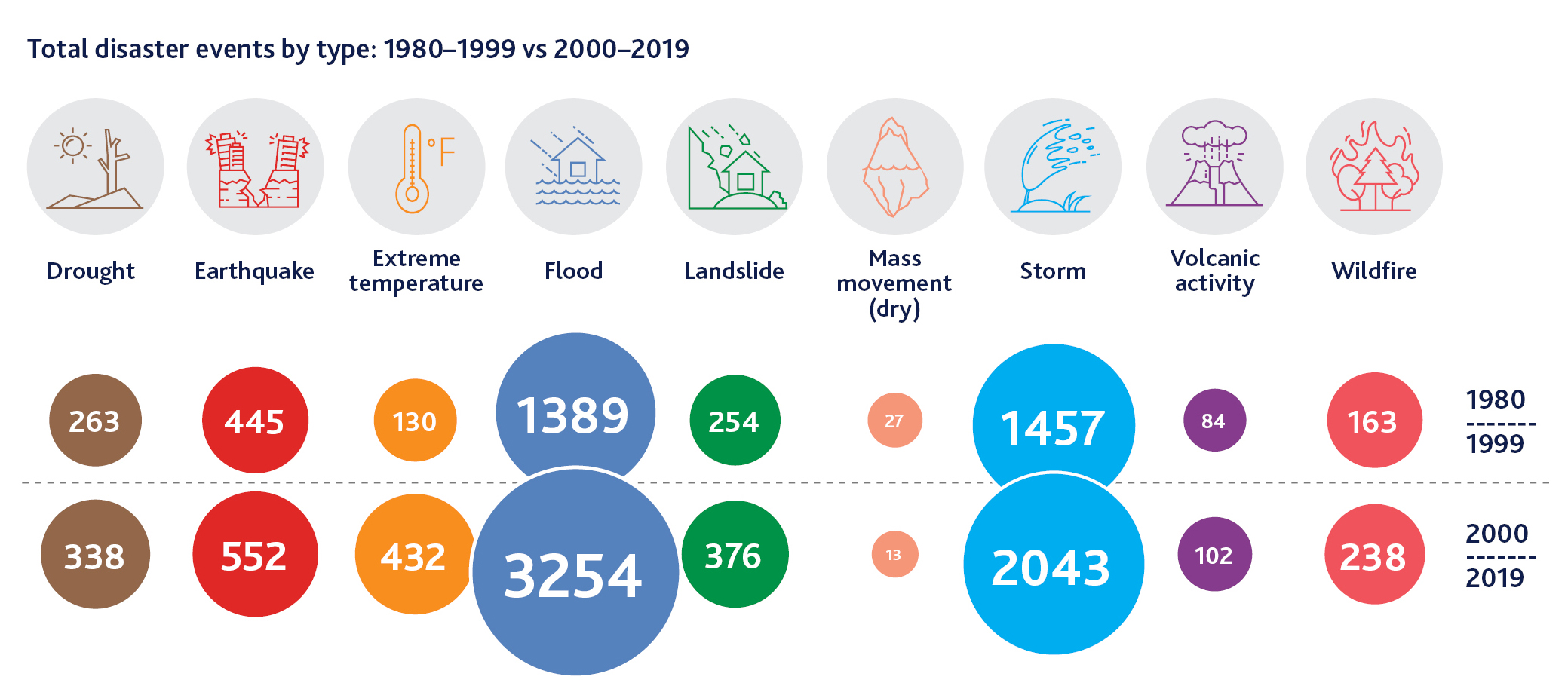
An analysis by the WMO supports these assertions, estimating that extreme climate events have caused more than 2 million deaths in the last 50 years and incurred economic losses of USD 4.3 trillion (see Figure 2).100 On the one hand, it is reassuring to observe that mortality rates have decreased over time with greater adaptability and warning measures. On the other hand, 90% of the burden of death has disproportionately fallen on developing countries where populations continue to grow, making the outlook for future risk exposure concerning. There is also little to suggest that such a positive global mortality trend will continue. As can be seen in Figure 3, the frequency of extreme events has increased significantly over the last 40 years, especially for storms, floods and extreme temperatures.101
Data from the key informant interviews corroborates this evidence and strongly highlights the (acute) risks of extreme events that can significantly affect all population segments. Frequent concerns particularly extend to Southern Europe, notably Spain, and specific areas in the U.S. that are vulnerable to extreme events as well as those situated closer to the equator. Equally, chronic risks from prolonged exposure to adverse climate patterns (for example poor air quality as a result of wildfires) can affect the whole population. The emergence of new vector-borne diseases is also seen as a rising threat from unfettered environmental degradation and melting permafrost linked to climate change.
FIGURE 2: MORTALITY AND ECONOMIC LOSSES FROM WEATHER, CLIMATE AND WATER EXTREMES (1970-2019)
Source: WMO102
FIGURE 3: INCREASING FREQUENCY OF EXTREME WEATHER EVENTS
Source: UNDRR103
Having established that H&L insurability is not currently a matter of concern, interviewees were then asked to discuss specific considerations that may affect the insurability and, consequently, the availability, structure and pricing of products in the future. The aggregated findings are presented below, taking into account a well-established insurability framework.104 While the novelty of the topic may limit a granular analysis, the subsections below attempt to map the key informant observations against some customary actuarial, market and societal criteria of insurability to understand the issues at hand. The vast majority are actuarial considerations.
FIGURE 4: CRITERIA OF INSURABILITY
Source: The Geneva Association, based on Berliner105
3.2.1 Actuarial considerations
A) Are loss exposures independent and predictable?
Insurability requires that losses are reasonably uncorrelated and predictable. This fundamental criterion of insurability is not met with climate-change-induced H&L risks, as suggested by the findings presented in section 3. However, some idiosyncrasies of the health insurance market may mitigate this challenge.
The ways in which the effects of extreme events are experienced by individuals, society and, subsequently, healthcare and insurance providers, are interconnected but non-linear, involving a complex set of variables. Moreover, such variables may differ markedly in their characteristics between the insured and general populations, with most of the evidence on climate-related health risks currently being generated from the latter. These include socio-economic status, which significantly influences access to voluntary insurance and health services as well as level of adaptability (for example, owning an air conditioner to counter extreme heat); age and the presence and severity of comorbidities; and location (including within countries/large states) and occupation, which will have implications for infrastructure quality and the concentration of white-collar workers (which in turn may have a shielding effect). It may be argued that insurers, on the whole, operate in settings where relevant variables may be more advanced than the general picture. This also suggests that the amount of risk that may spill over to H&L insurers following any given climate shocks will vary significantly depending on the configuration and interactions between each of these variables.
Given such intricacies, it is challenging to predict a clear-cut impact of climate change on H&L products. For longevity products, this may manifest as a slowing in improvements in life expectancy, allowing life insurers to release reserves due to reduced longevity risks. The effects on morbidity and long-term care products are harder to predict. On the one hand, certain risks may increase due to the rising cost of care as chronic conditions are worsened by climate change. On the other hand, some types of risks may decrease, at least in the short to medium term, as new climate patterns in some regions may bring about more favourable conditions for health, such as fewer seasonal flu outbreaks during milder winters, in addition to medical advancements in early prevention and diagnosis. Regardless of the uncertainties, the prevailing perspective is that any impact, whether positive or negative, is unlikely to occur suddenly. Instead, it is perceived as a shift in trends that is highly unpredictable in terms of timing and intensity.
The unpredictability of loss is further compounded by the incompleteness of data and lack of standardised methodologies for interpreting it (elaborated further in point B). For instance, attributing injuries and some fatalities to extreme events like hurricanes is not always possible, making it harder to form a global perspective of the nature and quantity of potential risk exposure. Similarly, for chronic risks, indicating that the patient’s cause of death was exacerbated by many years of exposure to rising levels of beyond-safe air pollution, for example, is seldom observed. In the absence of coherent data analytics, predicting the level of future exposure remains highly problematic.
B) Is the maximum possible loss manageable and the average loss per event moderate?
The current evidence suggests that losses have been manageable to date, partly because of insurers’ diversified portfolios. But the outlook for insured losses is highly uncertain. The foremost challenge revolves around data, with many observations underscoring its fragmented and incomplete nature. These limitations manifest in various ways.
Firstly, there are limitations with the current International Classification of Diseases (ICD) coding system, which underpins how data is recorded and analysed globally in healthcare. This deficiency is evident in the way in which deaths are classified, such as labelling a case of heat-related stroke as ‘stroke’106 ICD codes do not typically leave space for crucial context that might indicate climate-related morbidity or mortality. In the case of a patient suffering from an asthma attack caused by longterm pollution exposure, clinicians may be inclined to classify it as simply an ‘asthma attack’, disregarding the underlying cause. The application of ICD codes also varies by country, and, in many cases, insurers may not be privy to coding information. Consequently, there are fundamental structural and practical obstacles in health data collection, which will need attention.
Some recent advancements in ICD codes try to address some of these deficiencies. These updates are beginning to incorporate a restricted set of clinical outcomes that could result from climateand environment-related hazards, encompassing conditions such as heat exhaustion, pollution-related ailments, hypothermia and allergies caused by airborne substances. If effectively integrated at the service delivery level, these developments could enhance the precision with which mortality and morbidity data is collected and conveyed to insurers. This may also help to model average losses. However, even if some of the technical problems related to ICDs are resolved, H&L insurers may struggle to form a fuller picture for the following reasons:
More generally, claims data may not always be a good proxy to understand future losses. There may be a lag in securing the data, or data may originate from places not affected by climate events, especially in cases where people are displaced following a climate event.
Seasonal patterns also significantly influence health insurance claims. While this may aid predictability to some degree for certain ailments, distinguishing the impact of climate-related factors from pre-existing seasonality can be challenging, unless the focus is on isolated, singular, acute climate events. Consequently, determining the extent of maximum and average losses in the medium to long term is a complex undertaking. This complexity is particularly pronounced when assessing loss associated with morbidity and mortality resulting from prolonged exposure to adverse climate patterns (i.e. chronic risks), in contrast to understanding the immediate impact of mortality caused by acute events.
Climate change is expected to lead to dryer and warmer summers in many parts of the world such as the Netherlands. We have consistently seen increased solar radiation. We have also seen a spike in the cases of skin cancer. Linking the two directly has some way to go, but mapping climate patterns with health trends may help us to start forming a broader view on potential risks.
Gijs Kloek, Achmea
Although the lack of data granularity and completeness may pose challenges to assessing loss potentials, a minority of informants suggest that existing datasets could suffice to begin forming a broader ‘trend’ perspective. They stress the need for more effective usage of the available data, attributing the inadequacy partly to the absence of integrated analytical techniques. Such techniques would have to incorporate further types of data, such as behavioural data or satellite imagery, that can be mapped against health trends.
On a positive note, the long time horizons associated with life insurance products such as income protection or pensions give H&L insurers adequate time to react to losses and keep them manageable. As such, any sudden fluctuations caused by climate events in a given year may be offset by the length of the policy term. For instance, excess mortality risks from heatwaves during one particular summer may be offset by lower temperatures over a 20-year period. However, this assumption only holds true if acute risks evolve in a manner that does not necessitate the repricing of products in the short term. Life insurers also benefit from their large and diversified portfolios, enabling them to absorb sudden shocks from broader risk pooling, which incidentally also enables them to operate in areas that may be perceived as ‘risk prone’.
However, there are more uncertainties associated with morbidity and long-term care insurance products. On the one hand, timely mitigation strategies, such as improved air quality from renewable energy, may reduce rates of cardiovascular disease. On the other hand, inadequate or non-existent policy responses could exacerbate them. Such products could also take advantage of existing short-term pricing cycles to accommodate any observable fluctuations, and consequently losses, as they often work on an annual basis.
C) Is the number of exposure units sufficiently large?
This criterion requires that risks should be spread over a sufficiently large number of independent exposure units (i.e. policyholders), which can form an insurance pool. While there are potentially many exposure units in H&L insurance, their exposures may vary widely in their characteristics, making it hard to estimate loss. In other words, a large risk pool may not always buffer future losses if the units are not homogenous.
Respondents acknowledge the heterogeneity of exposure across different geographical regions, both within and across countries as well as by health conditions. This makes it hard to identify any specific sources and quantity of loss within a risk pool.
Emerging economies are particularly exposed, and adaptability and capacity play a significant role here compared to developed economies like the U.K. We know in India that improving air quality to meet WHO guidelines would add four years to life expectancy on average.
Deepak Jobanputra & Kate Anderson, Vitality UK
Morbidity rates are sensitive to economic downturns, and it is possible that disability income (DI) trends might be impacted by more frequent and severe weather events and associated health consequences, including injuries, socio-economic stressors, healthcare strain and mental illnesses such as PTSD, anxiety and depression. Slowly changing climatic conditions can also pose health challenges, such as working in suboptimal temperatures or increased perception of stress at work.
Georgiana Willwerth & Chris Falkous, RGA
Moreover, the nature of exposure may itself be subject to change. For instance, the increasing risks from specific regions can be alleviated by climate adaptation or mitigation strategies as well as medical technology, such as prompt diagnosis and treatment. Similarly, for large insurers, losses from a particular region can to an extent be absorbed through regional or even global diversification. Finally, significant socio-economic disparity, both within and across countries, warrants a cautious approach when identifying the quantity and nature of exposure across risk pools.
First and foremost, climate change poses an economic threat that increases social inequity. This in turn further increases the challenge to make H&L products accessible and inclusive.
Melissa Leitner, Swiss Re
Hence, while it can be argued that there are potentially many exposure units, it is not presently possible to substantiate this claim without robust data. The units are highly heterogenous and subject to change
D) Is there severe informational asymmetry?
The insurer and the insured should have access to the same information about the risk. If this is not the case, risk assessment may be inaccurate and adverse selection may occur.
The current body of information combining health and climate risks and insurance is limited. Consequently, very little is known about how much more information may be held by the policyholder about their climate-related health risks and the implications for insurability.
However, one reasonable extrapolation may be that an element of informational asymmetry (in favour of the insured) is likely to be present when diseases and care episodes are covered by more than one insurer, e.g. statutory versus supplementary or complementary voluntary health insurance, or within group plans.
Considering the absence of data on informational asymmetry, discussions with interviewees largely focused on the need to improve the quality of prevailing ‘information’ about climate change and health, both on the demand and supply sides, to narrow information deficits. Observations on information heavily focus on the need for marketing and communication functions to forge a stronger and more compelling narrative focused on ‘healthy planet and healthy people’ to raise the profile of climate-related risks and change mindsets. This is already in progress for investment products like green funds and sustainability-based products in P&C insurance. However, it has yet to significantly impact the liability side of H&L insurance.
More importantly, even within the insurance industry, the general perception of climate change’s impact on health is limited to mortality. However, the issues are far more complex, with indirect effects on mortality and morbidity giving significant cause for concern. A multitude of data sources will be required to examine all types of risk, and improved education, awareness, coordination and knowledge sharing among health, life and P&C lines of business is needed to reduce information deficits and asymmetries. In the U.S., for instance, hurricanes and storms have had implications beyond P&C insurance when power cuts forced many to resort to home generators, inadvertently causing carbon monoxide poisoning.107
Insurers are only just starting to look into their own carbon footprint and supply chain practices; these efforts are also being driven by reporting requirements. There is a real opportunity and a pressing need for insurers to engage more with the impacts of climate change. The most important task is to deepen our understanding of the risks and to get insurers on board with this idea. Convincing distribution channels and consumers is equally important. However, the product offering is not yet very broad.
Alexander Krauskopf, German Association of Actuaries (DAV) and Deloitte
One key focus is to assess exposure to the stressors of climate warming. H&L insurers may look to the P&C industry for an indication of the physical stresses that may impact a particular region and modify P&C risk scenarios to reflect H&L considerations (e.g. health impacts of an extreme heat event exacerbated by a power grid failure).
Winston Wisehart, Stewart Ashkenazy, Leonard Reback, MetLife
3.2.2 Market considerations
There is currently very little insight into what would be an acceptable premium or a cover limit for climate risk in H&L insurance policies. So far, such considerations have not played a prominent role in the design and pricing of H&L insurance products. The interviews conducted for this report suggest that climate-related health risks are viewed as gradual events with no immediate impact on the underwriting portfolio. Consequently, there is no perceived urgency in addressing affordability and availability issues. The prevailing view is largely that discussions about climate-related liabilities primarily focus on P&C insurance lines, with many agreeing that evidence on climate-related liabilities for H&L insurers is limited and discussions on methodologies for assessing climate-related H&L risks are relatively nascent.108 Many respondents emphasise the need to prioritise data-gathering tools to improve understanding of the risks first, before revisiting product design or pricing considerations for market readiness.
There is a case for greater blanket sensitisation, mitigation and education regarding peoples environmental actions. We are aiming to adopt such green behaviours across all lines of business. For instance, rewards should be offered for planting trees, not buying trainers. Healthy behaviours can be monitored through wearable tech, but monitoring green behaviours that overlap with healthy behaviours is necessarily a much bigger endeavour.
Domenico di Napoli, Generali
However, certain areas of development merit attention, most notably risk prevention and reduction. Many key informants endorse the promotion of wellness programmes aimed at preventing chronic illnesses, which align with climate-friendly activities. These programmes offer incentives and rewards for making healthier choices, which serve health objectives while reducing morbidity and mortality (acute and chronic) risks associated with climate change. Additionally, this approach provides H&L insurers with opportunities to engage with customers through early warning and advisory systems (e.g. ‘drink more water’, ‘stay indoors’ and ‘wear sunscreen’ alerts, such as Australia’s well-known ‘Slip, Slop, Slap!’ initiative). While the potential benefits of these schemes are clear to all interviewees, some also express concern around success metrics and potential risks (e.g. excessive outdoor activity in heat or pollution).
Parametric insurance is another noteworthy market innovation. Under this model, payouts are triggered when specific, measurable and predetermined criteria (e.g. extreme heat or pollution levels) are met. Such features may also be paired with additional risk prevention strategies, including enabling remote work during extreme heat or cold (to reduce exposure), providing water coolers or ensuring access to fresh water. Many respondents feel that these products hold promise, though they are cautious about the practicalities of implementing them.
Discussions about the optimal balance between premiums, payouts and triggers are essential. For example, in the context of extreme heat income protection insurance, at what temperatures do we trigger payouts? Should it be set at 38°C or or 46°C? How low is the bar? How high is the bar? Is it too unrealistic? In instances where payouts are critical to the health and well-being of a vulnerable population, we must also ask whether insurance is the most useful and appropriate route, or whether we should also be bundling it with other risk protection mechanisms and financial tools, such as emergency assistance and loans. Insurance is not a panacea and should always be viewed as one tool among many.
Sarah Ebrahimi, Blue Marble
Parametric insurance for heat: A case study from India
BlueMarble’s ‘extreme heat insurance’ is the latest innovation designed to address heat-related perils through parametric underwriting. This product, developed in partnership with the Arsht-Rock Foundation and the SelfEmployed Women’s Association (SEWA), aims to assist workers in emerging countries to recover lost wages due to climate-driven extreme heat events and help women tread the fine line between protecting their health and ensuring their family’s financial security. SEWA, a longstanding Indian trade union with a membership of 2.5 million women, collaborates with Blue Marble, an impact insurtech company specialising in creating socially meaningful and commercially viable insurance solutions for underserved populations.
In India’s informal sector, women often work in dangerously hot conditions, resulting in preventable suffering such as rashes, infections, burns and chronic heart and kidney diseases. This parametric insurance solution is activated when specific extreme heat conditions expected to result in adverse health outcomes are met. Upon activation, payments are directly credited to SEWA members’ bank accounts to compensate for projected income loss due to unsafe working conditions caused by extreme heat.
Lost income is compensated at approximately USD 3 per day when extreme heat events occur, thus relieving the financial burden on participants. The initiative also prioritises adaptation strategies, such as providing water coolers at home or enabling remote working when possible. This approach represents a novel combination of prevention and risk protection, offering a comprehensive solution to the challenges posed by extreme heat in the informal sector of India.
Source: Baughman McLeod et al.109
3.2.3 Societal considerations
There is minimal insight into how the integration of climate considerations in existing H&L products would be received by consumers and policymakers, as well as how such products may be governed. The interviewees express overwhelming support for improving understanding and management of the actuarial risks first to realistically gauge public reaction and policy response. However, one significant societal consideration stands out the ethical challenges of underwriting climate risk in the context of health, especially for the most vulnerable regions and individuals. The difficulty lies in maintaining accessibility, affordability and inclusivity for those who often need insurance the most, while simultaneously ensuring actuarial soundness in risk assesment. This creates an inherent dilemma for insurers: they must be financially prudent in managing risk, yet also uphold their objectives of providing social protection and adhering to broader environmental, social and governance (ESG) principles. Consequently, increased data utilisation becomes essential for market segmentation and risk comprehension but could also result in excessive exclusions or higher premiums that could undermine social protection.
As insurers, it is crucial that we accurately assess and underwrite health-related risks, especially in light of the increased frequency of climate-related events. In this context, we strongly encourage our customers to lead a healthy and eco-friendly lifestyle that benefits both themselves and the environment. By doing so, we can help to prevent the negative impacts of climate change and ultimately create a healthier and more sustainable world. However, it remains a challenge for us to evaluate the impact on taking up eco-friendly measures by our customers as traceability is much harder in H&L products compared with P&C.
Adriana Lecu, Allianz
Regional risk-based underwriting generated mixed opinions among key informants. In some cases insurers may be able to supply insurance affordably in riskier places because of some diversification and cross-subsidy operating within the system. However, some believe that more explicit regionbased underwriting could lead to unfair discrimination and might attract regulatory interventions. They argue that access to risk reduction and preventive measures is unevenly distributed, disproportionately impacting the poor or vulnerable. Others perceive regional risk-based underwriting as a viable option, citing examples where this is already underway. Nonetheless, they do concede that implementing a region-based strategy comes with challenges, primarily due to resistance from local populations. Insurers in the U.S., for instance, are engaging with local communities to construct water reservoirs in flood-prone areas, thereby ensuring that affected populations have access to clean water. Despite the benefits, landowners in these regions have been reluctant to participate, fearing that their properties may be devalued if designated as prone to flooding. Other informants argue that certain adaptation strategies are problematic, such as the promotion of air conditioners. These actions may therefore contradict overarching climate mitigation strategies.
We say a lot about adaptation: in hot countries like Singapore, air conditioners are ubiquitous. But is this really sustainable in the long run and what kind of innovative solutions could our industry and government imagine together?
Meng Meng, SCOR
There’s a need for a clearer supervisory quantitative framework on how climate risks may impact life and health insurance on the passive side of the business, considering increasing requirements to include these in risk assessments.
Jordi Balcells, Vida Caixa
We should keep downward pressure on prices and make insurance as affordable as possible without compromising the sustainability of the product. This will require a move towards prevention and early diagnosis.
Eduardo Sanchez Delgado, MAPFRE
It is reasonable to infer that underwriting climate risks for health and life insurance is not only subject to actuarial and market barriers, it also poses strategic challenges for insurers related to their societal and environmental objectives.
Ultimately, in the absence of a clear risk assessment methodology, many participants assert that the most viable approach to facilitate insurability is through risk reduction and prevention. This approach is similar to the wider concept of ‘impact underwriting’, which provides insurance coverage based on analyses of policyholders’ behaviours and rewards actions that reduce or prevent risks. This concept is already a central consideration in many non-life lines of businesses. A form of impact underwriting is being employed by some H&L insurers, too, whereby they incentivise consumers to adopt healthy behaviours that align with climate-friendly practices. These encompass activities such as swapping driving for walking or cycling; addressing obesity through increased physical activity; offering discounts on gym memberships or healthy or plant-based meals; and taking precautions in extreme conditions to prevent avoidable deaths, diseases or accidents. However, some interviewees highlight the absence of metrics to assess the impact of these activities on an individual’s resilience to climatic conditions (extreme events and slow trends).
The observations above draw attention to a sizeable gap between understanding of the health-related risks emanating from climate change at the population level, which is extensive, and the feasibility of attributing these risks specifically to the insured population. The problem areas can be summarised as follows:
Data: Trials and tribulations
To better understand the long-term impact of climate change on health, greater cohesion is necessary to marry together fragmented data pools, from healthcare providers, researchers and policymakers. We need to prioritise collating medical and meteorological data across various regions for forecasting of population-level health outcomes. Only then can we begin to deduce what the impacts may be on life & health insurers over time.
Prachi Patkee and Adam Strange, Swiss Re
Insurers have vast amounts of data that go back several decades. However, this will not be granular enough to determine if the main reason for a claim was climate change related. There is significant pressure on insurers to try to quantify the exact cost of climate change on our experience, but the information is not available and taking the time to investigate each claim to obtain that level of granularity is impractical, costly and may lead to wrong conclusions. Instead, it may be more meaningful to look at climate risk in the context of all-cause mortality and morbidity trends and supplement with qualitative analysis to determine how significant a contributing factor climate risk is to overall experience.
Maria McGowan, ManuLife
For us as reinsurers, our clients must first provide the data. In some regions this has been mapped against weather data, which may facilitate an understanding of the high-level trends. P&C insurers are already doing this for natural catastrophe data, but with health and life insurance we are limited to trend analysis in its broadest sense. The number of variables at play makes it challenging to pin morbidity and mortality down to specific climate events.
Achim Regenauer, PartnerRe
While there has beena significant focus on the negative health risks associated with climate change, other developments have the potential to act as partial offsets. Many experts believe Al can have a transformative impact in healthcare, assisting providers ina variety of patient care and intelligent health systems. Al algorithms are being trained to analyse vast amounts of medical data and identify patterns and relationships, which may ultimately improve disease diagnostics and patient outcomes.
Winston Wisehart, Stewart Ashkenazy, Leonard Reback, MetLife
In theory, we can match claims data to weather data to track longitudinal patterns. But how can we trust that the data used is reliable? Whose data would be best?
Domenico di Napoli, Generali
Heatwaves are a particular concern in Spain, so we need to establish robust regional baselines to deal with them. While Spain is generally good at coding health claims data, relying solely on historical data to predict future effects is no longer sufficient. Instead, we must move towards scenario analysis, mapping historical data to climate patterns and trends to obtain a longitudinal perspective.
Eduardo Sanchez Delgado, MAPFRE
It would be helpful to do more research to better understand the causes and effects underlying climate change to better quantify the associated costs and drive decisions. [...] Considering behavioural data could also usefully enhance discussions with policymakers.
Daniel Meier, Swiss Re
For a comprehensive picture of health trends in a climate context, four things need to align: specific and precise knowledge of the geographical distribution of insureds, knowledge of the existing clinical status of populations, understanding of regional supply-side factors, and consistent and detailed health utilisation data. Getting granular data is often problematic where insurers play a complementary and supplementary role to statutory schemes as such data may be incomplete.
Joanne Buckle, Milliman
The data does exist: from weather data spanning the past 150 years to extensive claims data. Granted, not all insurers possess granular diagnostic data due to outdated systems. However, it is possible to anticipate the future development of claims for certain illnesses depending on future climate events.
Alexander Krauskopf, German Society of Actuaries (DAV)
H&L insurers are part of a broad ecosystem that creates and manages risks. In order to improve understanding of future risks, insurers need a wider set of stakeholders to draw on. One solution might be an assessment of climate-related health outcomes to develop forward-looking climate and health scenarios. The framework illustrated in Figure 5 aims to break down the physical, economic, demographic and social vulnerabilities stemming from a given climate peril and map them against possible health risks. A region-specific climate peril may be used as a starting point (left-most red column), followed by identification of the physical pathways through which the peril may manifest and the development of a more granular picture of existing vulnerabilities and health outcomes in the region. This would require input from multiple expert sources and data sets from across the public and private sectors, as well as collaboration between H&L and P&C insurers, policymakers, government authorities, health experts, healthcare provider groups and climate scientists to designate meaningful preventive and risk reduction actions.
FIGURE 5: AFRAMEWORK FOR UNDERSTANDING REGIONAL CLIMATE-RELATED HEALTH VULNERABILITIES
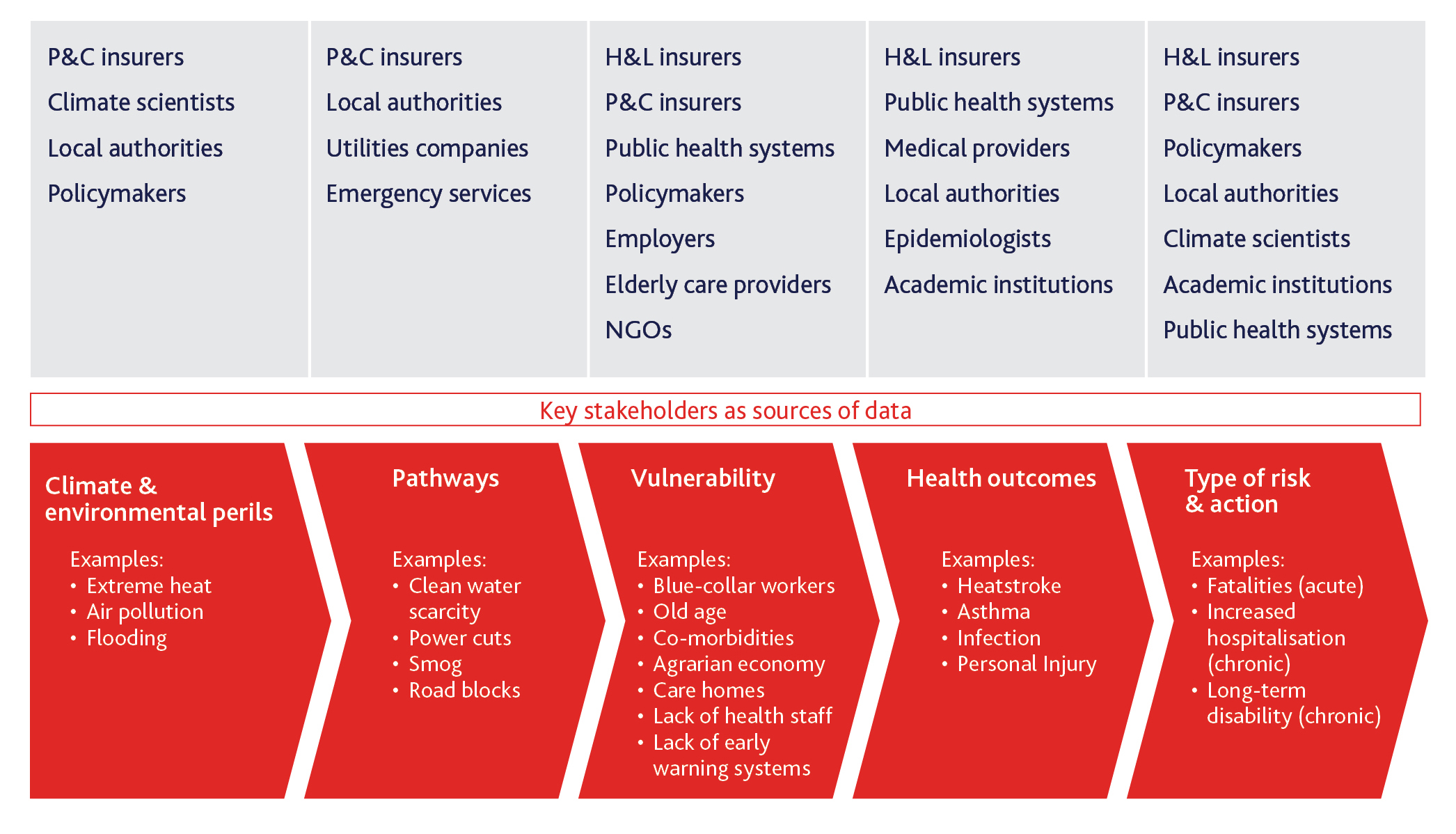
Source: The Geneva Association
Innovative options may include parametric insurance that allows risk sharing with policyholders and nudges towards risk prevention, but certain conditions must be met to determine effectiveness. H&L insurers would need to be able to homogenise the risk (e.g. the risks of heatwave-induced adverse health events among factory workers) and quantify it in terms of volume as well as frequency. Insurers must also decide whether shouldering the risk of a mass ‘trigger’ event based on a temperature or pollution threshold falls within their risk appetite, without making premiums unaffordable. Such initiatives can also be paired with strategies to lessen the intensity of the anticipated risk. Existing platforms including large group plans for blue-collar workers in factories and/or by engaging local authorities involved in developing climate resilience could lend themselves well to such experimentation.
Parametric policies for climate risks in H&L insurance: Some practical considerations
Even though H&L insurers are just one part of the health and care ecosystems, limiting any spillover shocks they stand to absorb would mean actively engaging with the wider environment in several ways:
Developing a comprehensive view of climate-related risks from a H&L insurance perspective still has a long way to go. This report attempts to consolidate the status quo and help identify the unknowns to understand what could be done next. While it is impossible to predict exactly what the future holds, the report makes it clear that complacency could be dangerous, considering the warning signs witnessed already. While it may take time to address the many data limitations, H&L insurers have an immediate opportunity to step up their role in preserving insurability for a future that could seriously test human resilience.
Baughman McLeod et al. (n.d.).
Berliner 1982.
The Geneva Association 2021c.
World Health Organization (WHO) 2023.